Newsletter Subscribe
Enter your email address below and subscribe to our newsletter


Raised Bed Gardening Made Simple
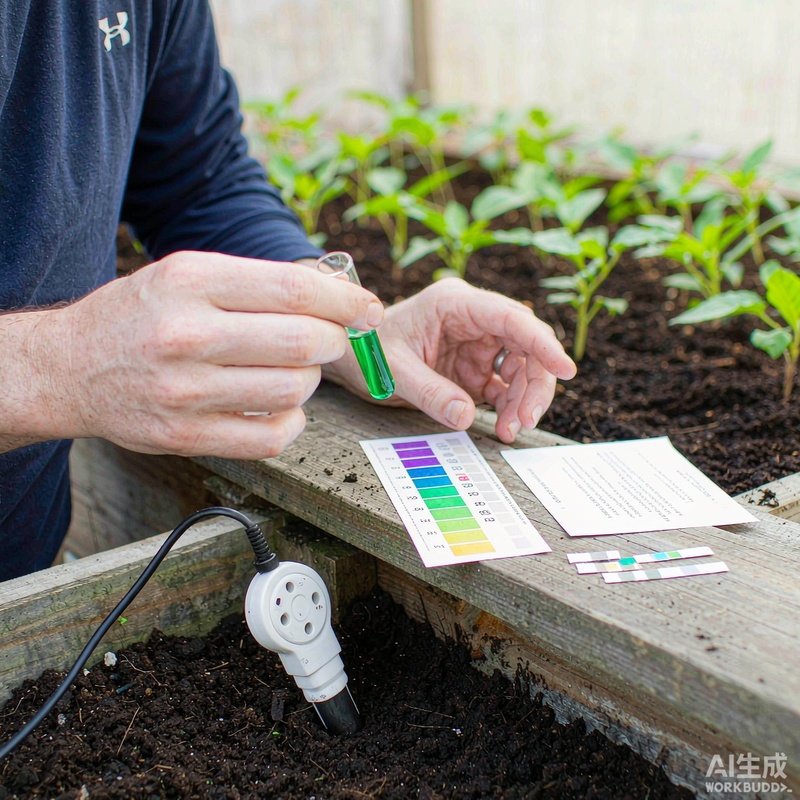
Clay soil is a paradox: it is naturally rich in nutrients, yet plants struggle in it. Water pools on the surface after rain, the soil turns to cement in summer and sticky porridge in wet spring, and roots fight for every inch. The instinctive fix — “just add sand” — is actually the one thing you should never do. Here is what really works to transform heavy clay into a raised bed your vegetables will love.
Clay particles are microscopic and flat, so they pack together tightly, leaving almost no room for air or water movement. The same tiny particles carry a strong electrical charge, which is why clay holds nutrients exceptionally well — the chemistry is excellent, but the physics is terrible. Compaction squeezes out the air pockets roots need, and wet clay that is walked on or worked too early turns into hard, structureless clods. The goal is never to eliminate clay, but to build aggregate structure — crumbly clusters of particles with air channels between them.
The single most effective clay treatment is organic matter — but for clay, the mechanism differs from sandy soil. As compost decomposes, soil microbes and earthworms glue clay particles into stable crumbs, creating permanent air channels. Work 2–3 inches of compost into the top 8 inches of clay, and repeat every season. Unlike sand, clay holds organic matter well, so improvements genuinely accumulate over time. A raised bed makes this even easier: you control the top 12 inches of soil, and earthworms do the deep mixing for you.
Compost alone works, but combining materials speeds the transformation dramatically. Use this comparison to choose:
| Amendment | How It Helps Clay | Dosage (per 10 sq ft) | Works In | Notes |
|---|---|---|---|---|
| Finished compost | Builds crumb structure via microbes | 2–3 in layer | Weeks–months | The foundation fix; repeat yearly |
| Gypsum (calcium sulfate) | Clumps particles chemically without changing pH | 20–30 lbs | 2–4 weeks | Fast but temporary; combine with compost |
| Coarse organic matter (bark fines, leaf mold) | Opens air channels, resists compaction | 1–2 in layer | 1–2 seasons | Lasts longer than compost |
| Expanded shale / perlite | Creates permanent air pockets | 10–20% by volume | Immediate | Permanent but costly; best for small beds |
| Deep-rooted cover crops (daikon, rye) | Bored root channels, added biomass | Sow densely off-season | 1–2 seasons | Cheap “biological tilling” |
| Builder’s sand | — | — | — | Avoid: fine sand + clay = brick-like hardpan |
Table 1: Soil amendments for improving clay soil in raised garden beds.
Not sure how heavy your clay is? Squeeze a moist ball of soil into a ribbon between thumb and finger. A ribbon longer than 2 inches before breaking means serious clay — use the full recommended amendment rates. Shorter ribbons mean loam-leaning soil that needs only compost.
Every step you take on wet clay undoes months of improvement. Design beds no wider than 4 feet so every plant is reachable from the path, and never dig or walk on clay soil while it is wet — it smears particles together into a sealed, airless layer. If you must work damp soil, wait a day or two after rain until it crumbles rather than smears in your hand.
While soil structure is still developing, let plants do some of the work. Daikon radish, winter rye, and alfalfa punch roots deep into clay; when they die back, those channels become air and drainage passages. Legume cover crops like clover add nitrogen at the same time. This “biological tilling” costs nothing and continues improving soil even in the off-season.
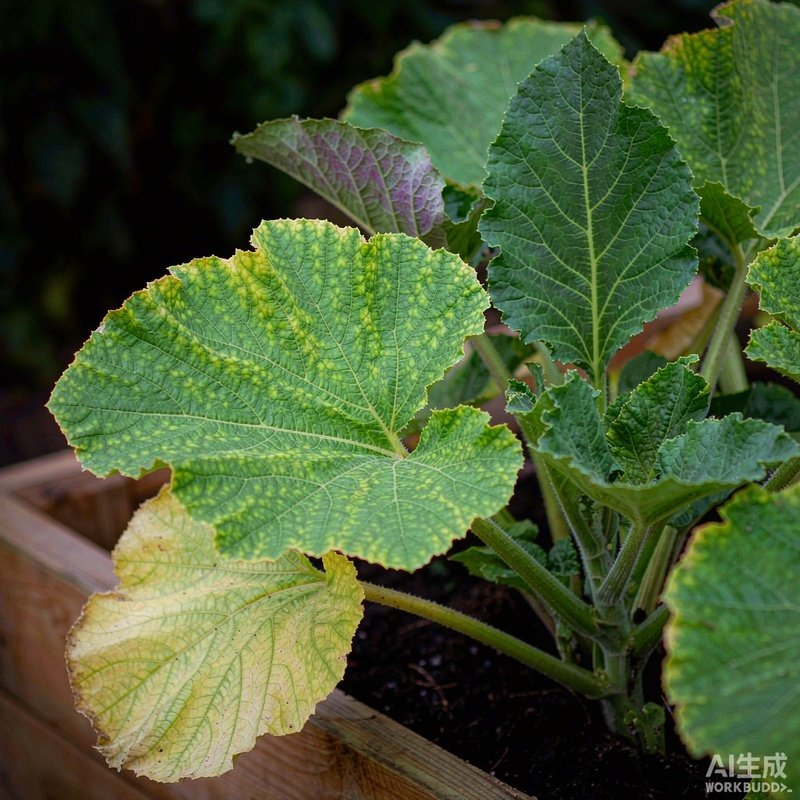
Finish with a 2–3 inch mulch of straw, shredded leaves, or wood chips. Mulch prevents rain from pounding the surface into a crust, moderates the wet-dry cycles that make clay crack and heave, and feeds worms at the surface. Expect visible improvement in one season and genuinely loamy soil in two to three — clay rewards patience better than any other soil type, because its nutrient-holding power, once paired with good structure, is unmatched.
Improving clay soil comes down to one principle: build structure with organic matter, never with sand. Compost and coarse organic material create the crumbs, gypsum offers a fast assist, cover crops dig the channels, and mulch protects the progress. Raised beds put this heavy, fertile soil exactly where you can manage it — and in a few seasons, that stubborn clay becomes the most productive ground in your garden.