Newsletter Subscribe
Enter your email address below and subscribe to our newsletter


Raised Bed Gardening Made Simple
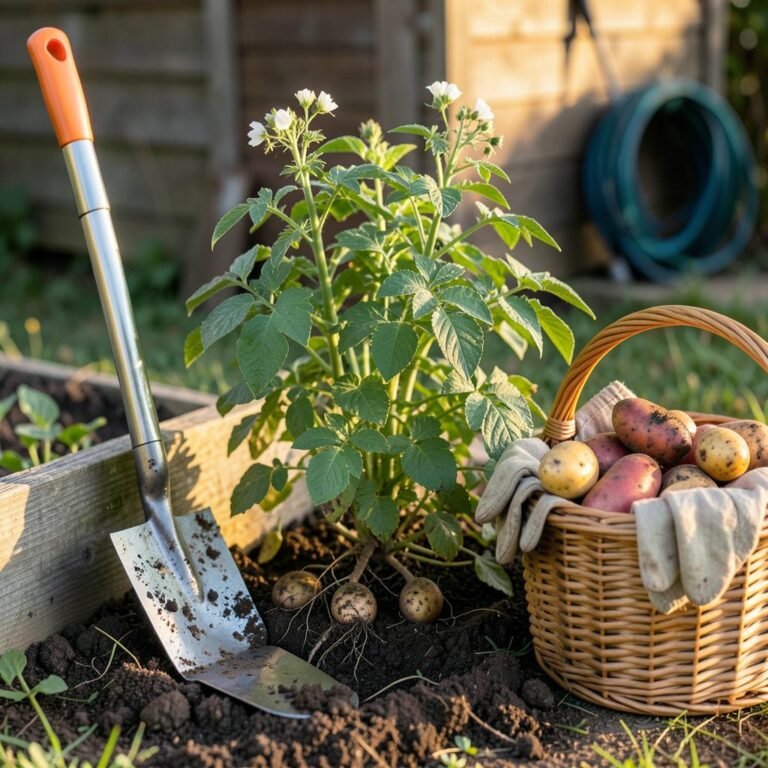
Does the soil in your raised bed go from moist to bone-dry within hours of watering? You are not imagining it — raised beds genuinely dry out faster than in-ground gardens, and several fixable factors make the problem worse. Here…
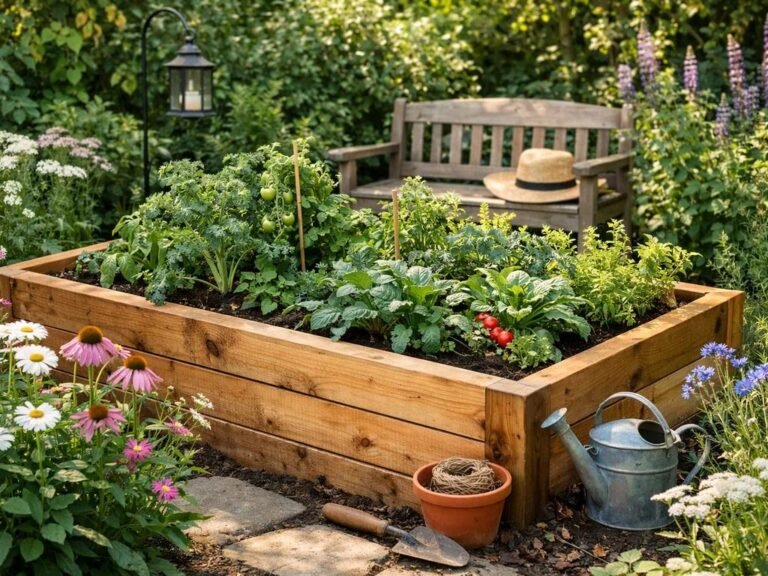
Wooden raised garden beds are popular among home gardeners because they look natural, are relatively easy to build, and fit beautifully into backyard landscapes. However, constant exposure to moisture, soil, sunlight, and changing weather conditions can gradually weaken wooden boards.…
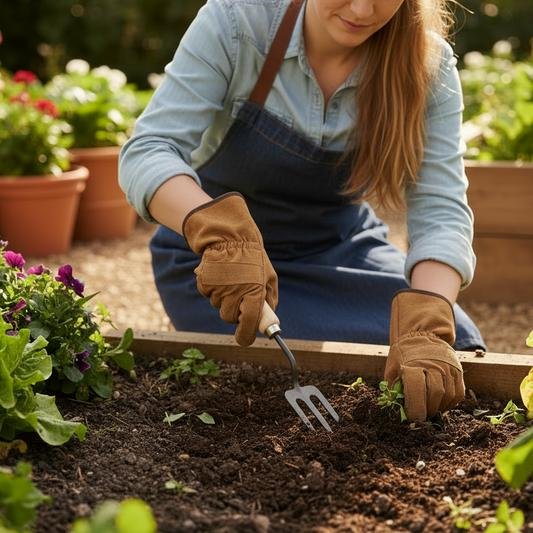
Raised garden beds are designed to provide better control over soil conditions, but drainage problems can still develop over time. Water may collect on the surface, soil may remain soggy for days, or plants may begin showing signs of stress.…
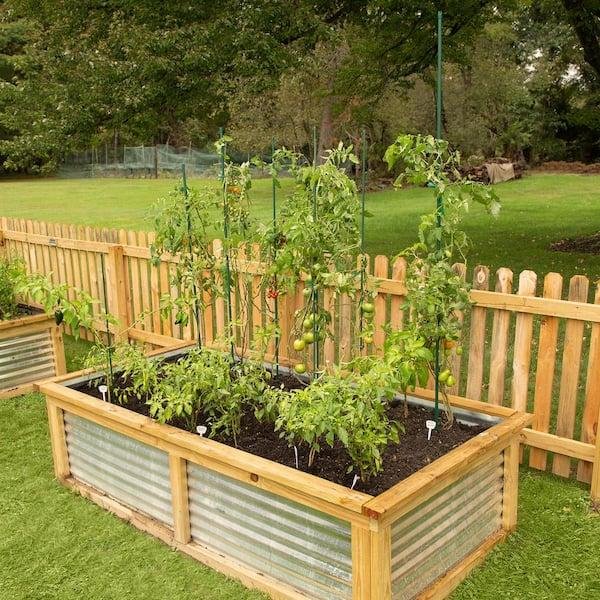
Strong wind can turn a healthy raised bed garden into a stressful environment for vegetables. Tall tomato plants may bend, climbing vines can break away from their supports, and young seedlings may become damaged before their roots are fully established.…
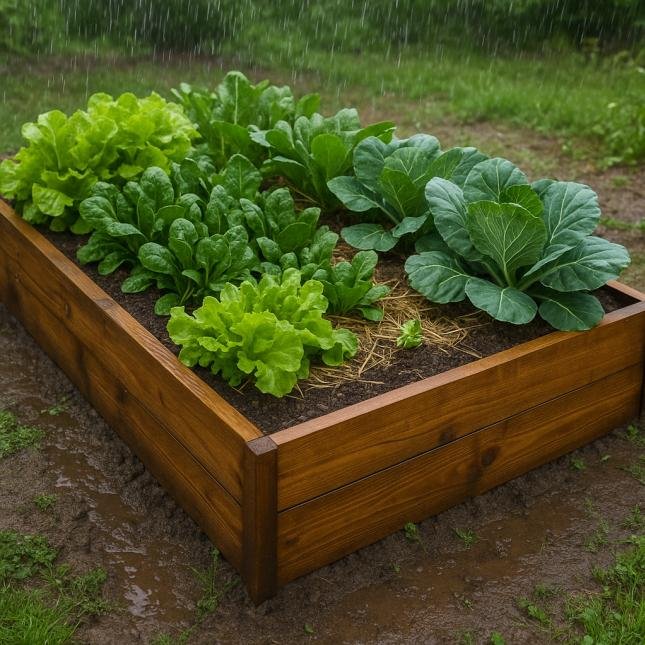
Heavy rain can be beneficial for a vegetable garden, but prolonged downpours can also create problems for raised garden beds. Excess water may wash away exposed soil, damage young seedlings, weaken plant supports, and leave roots sitting in saturated growing…

Mulching is one of the simplest ways to protect the soil in a raised garden bed. A well-applied layer of mulch helps retain moisture, reduce weed growth, moderate soil temperature, and protect the soil surface from heavy rain. However, using…
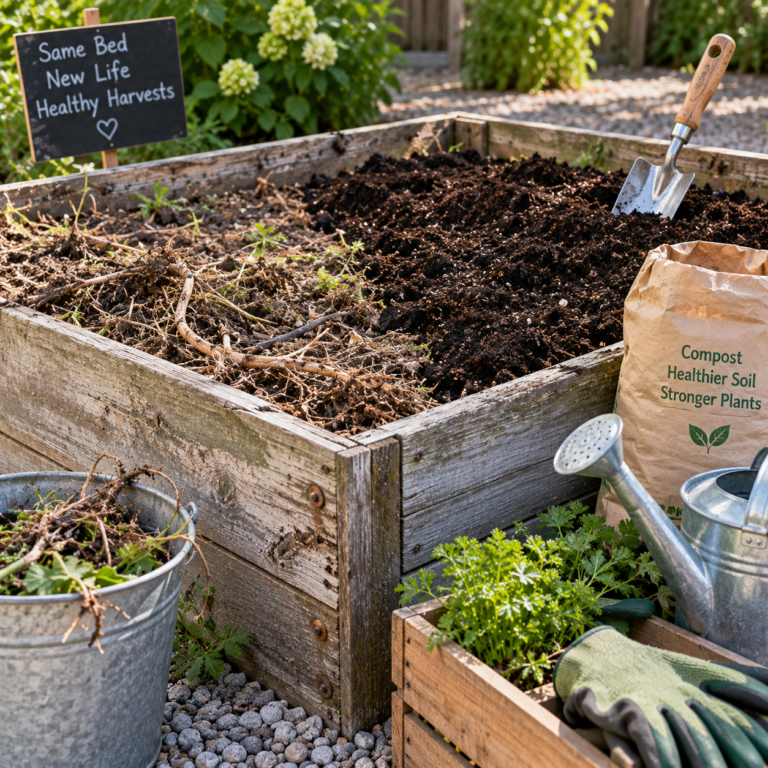
An old raised garden bed doesn’t necessarily need to be replaced. Even after several growing seasons, a weathered frame and tired-looking soil can often be restored with a little maintenance. You may notice that the soil level has dropped, weeds…
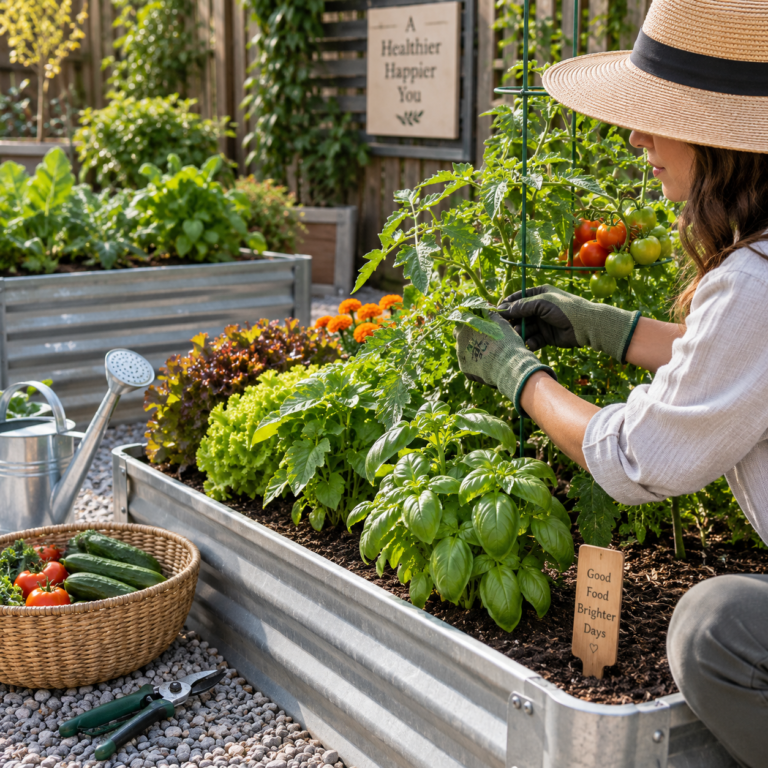
Raised garden beds make growing vegetables more manageable, but they still need regular attention throughout the growing season. Soil moisture changes, plants compete for nutrients, weeds appear, and pests can become more active as temperatures rise. Fortunately, maintaining raised garden…
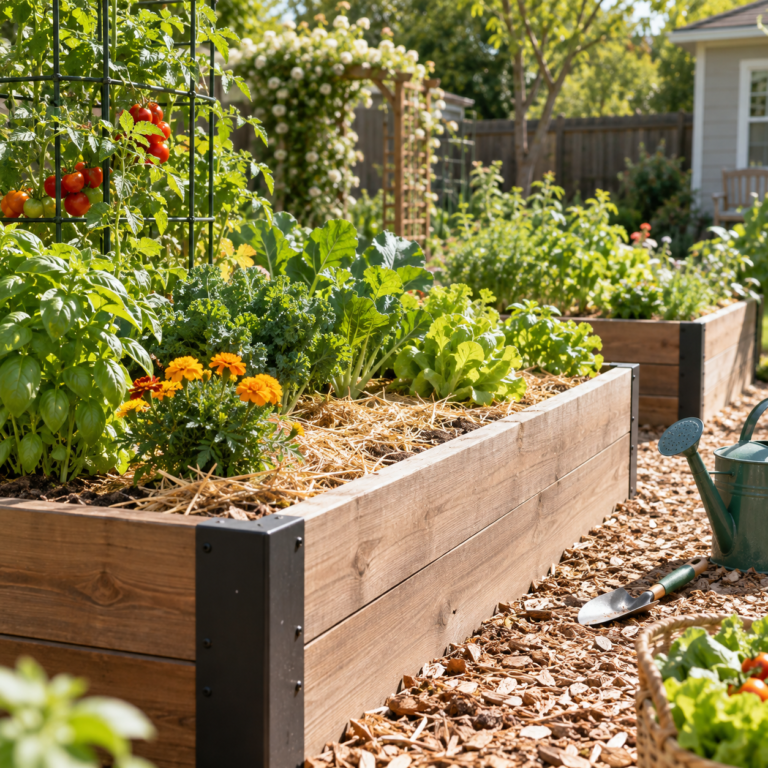
Raised garden beds make weed control easier than traditional in-ground gardens, but they are not completely weed-free. Weed seeds can arrive through compost, garden soil, wind, birds, tools, or even the root systems of nearby plants. The good news is…
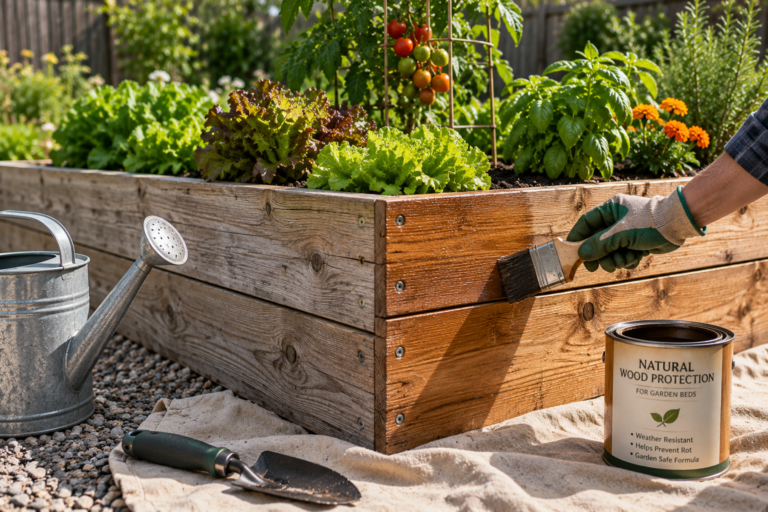
Wooden raised garden beds are attractive, easy to build, and suitable for almost any backyard. Their main disadvantage is simple: wood eventually decays. A raised bed creates particularly challenging conditions because the inside of the boards remains in regular contact…