Newsletter Subscribe
Enter your email address below and subscribe to our newsletter


Raised Bed Gardening Made Simple
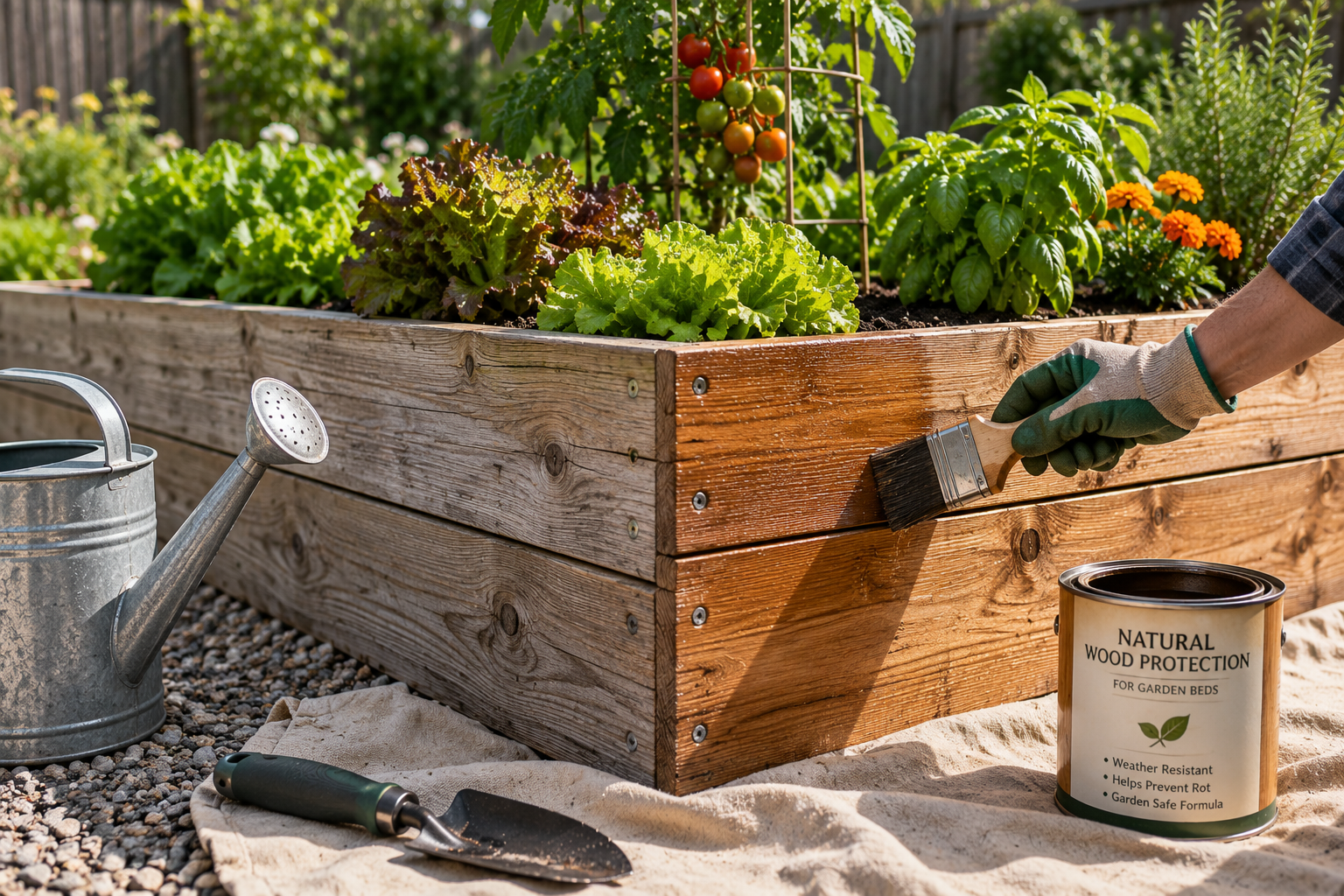
Wooden raised garden beds are attractive, easy to build, and suitable for almost any backyard. Their main disadvantage is simple: wood eventually decays.
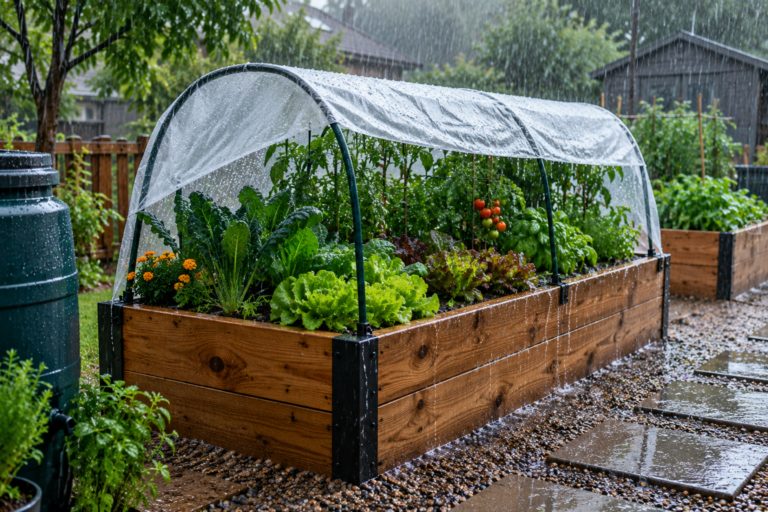
A raised bed creates particularly challenging conditions because the inside of the boards remains in regular contact with moist soil while the outside is exposed to rain, sunlight, temperature changes, and insects.
How long a wooden bed lasts depends heavily on the wood species, climate, board thickness, drainage, construction quality, and how consistently the wood stays wet.
Oregon State University Extension research provides a useful real-world example. After six growing seasons, untreated raised-bed lumber in its study showed substantial decay in the lower portions, while pressure-treated beds remained mostly intact.
Fortunately, there are several practical ways to slow deterioration.
The easiest way to extend the life of a raised bed begins before construction.
Not all wood decays at the same rate.
Cedar and redwood are popular because they have natural resistance to decay. Utah State University Extension specifically identifies cedar and redwood as naturally rot-resistant options, while untreated woods such as fir may deteriorate within a few years.
University of Georgia Extension also identifies cedar as a common raised-bed material because of its natural resistance to both rot and insects.
If your budget allows, choosing a more durable species can reduce maintenance and delay replacement.
Wood does not necessarily deteriorate evenly.
The most vulnerable areas are usually where moisture remains longest:
This pattern has been observed in Extension research. In an Oregon State University raised-bed trial, untreated beds developed noticeable decay around the lower portions and screws after several growing seasons.
That means moisture management should be your main preservation strategy.
A wooden raised bed that stays wet constantly is more vulnerable to decay than one that periodically dries.
Avoid creating a sealed container that traps water.
Make sure excess irrigation and rainfall can leave the bed efficiently.
If using an open-bottom bed, avoid placing an impermeable plastic sheet across the entire bottom. Alabama Cooperative Extension specifically cautions against bottom plastic because it can interfere with drainage.
Also check the surrounding ground.
If water collects around the outside of the frame every time it rains, the lower boards may remain damp long after the soil surface appears dry.
| Method | Main Benefit | Best Time to Do It | Important Consideration |
|---|---|---|---|
| Choose cedar/redwood | Better natural decay resistance | Before construction | Usually costs more |
| Improve drainage | Reduces prolonged moisture exposure | During construction | Never block the bed bottom |
| Add a side liner | Reduces direct soil-to-wood contact | Before adding soil | Keep bottom drainage open |
| Apply suitable finish | Reduces weather exposure | Before assembly/planting | Verify product suitability |
| Use strong screws | Keeps joints stable longer | During construction | Inspect periodically |
| Repair damaged boards | Prevents structural failure | Annual maintenance | Replace badly decayed wood |
No single method makes wood permanent. The best results usually come from combining durable materials, good drainage, careful construction, and regular inspection.
The inside face of a raised bed is continuously exposed to moist soil.
A barrier between the soil and wooden sides can reduce direct contact.
University of Maryland Extension lists a heavy plastic liner between the frame and garden soil as one option for limiting soil contact with wood, while still allowing the bed to drain.
The important detail is where you put it.
Line the interior walls rather than creating a completely sealed plastic bottom.
Water must still have somewhere to go.
Some gardeners coat untreated wood before assembling their beds.
University of Maryland Extension lists exterior latex paint and semi-transparent oil-based stain among options for preserving raised-bed wood.
However, do not assume that every product marketed as “natural” or “wood protection” is automatically appropriate for an edible garden.
Read the manufacturer’s instructions and intended-use information before applying a coating to wood that will be used around vegetables.
This is particularly important for products with solvents, fungicides, or other additives.
Reclaimed lumber may seem economical, but its history matters.
Older pressure-treated lumber may contain preservatives that are no longer used for residential applications.
University of Maryland Extension advises avoiding older wood treated with CCA, creosote, or pentachlorophenol (Penta). CCA contained arsenic, copper, and chromium and was discontinued for residential uses in 2004.
Railroad ties are another poor choice for vegetable beds because they may contain creosote. University of Delaware Extension specifically recommends against lumber treated with creosote or pentachlorophenol.
If you do not know how old reclaimed treated lumber was manufactured, using known material is the safer and easier-to-document choice.
Rot is not the only reason wooden beds fail.
The pressure of a large volume of moist soil can push boards outward and gradually loosen weak joints.
Use exterior-grade screws or appropriate structural fasteners rather than relying on small nails.
Utah State University Extension recommends reinforcing raised-bed corners with wooden blocks or metal plates and securing the sides with long decking screws.
Long beds may also benefit from additional bracing.
Check fasteners every year and tighten or replace them when necessary.
How you water can influence how wet the frame remains.
Whenever practical, deliver water to the soil and root zone instead of repeatedly soaking the wooden sides.
Drip irrigation or soaker systems can provide more controlled watering than spraying the entire bed and frame.
More water is not automatically better.
Check soil moisture before irrigating, especially after rain.
You do not need to rebuild a wooden raised bed every time its appearance changes.
Weathered gray wood can still be structurally sound.
Instead, inspect the bed at least once each year.
Pay particular attention to the bottom corners and fasteners. Press suspicious areas gently with a screwdriver. Wood that is extremely soft, crumbling, separating around screws, or no longer holding the frame together may require replacement.
Small repairs made early are usually easier than rebuilding a bed after one side collapses.
A damaged board does not necessarily mean the entire garden bed has reached the end of its useful life.
If the corners and remaining structure are sound, individual boards can often be replaced.
Carefully remove enough soil from the damaged side to reduce pressure, replace the deteriorated board, restore the fasteners or braces, and return the soil.
This approach can extend the practical life of the entire structure while reducing material waste.
There is no reliable universal number.
Climate makes a major difference.
In Oregon State University’s research environment, untreated Douglas-fir beds were expected to begin failing around 5–8 years, depending partly on moisture exposure. The Extension expert also noted that deterioration could occur substantially faster in warmer, wetter regions.
Washington State University similarly notes that untreated wood may begin decaying within several years, even when relatively rot-resistant species such as cedar are used.
For that reason, be cautious of claims such as “this wooden raised bed will last exactly 10 years.”
Actual service life depends on local conditions.
Learning how to extend the life of a wooden raised garden bed comes down primarily to controlling moisture and maintaining structural integrity.
Start with naturally decay-resistant wood such as cedar or redwood when your budget permits. Make sure the bed drains freely, consider protecting the interior walls from constant soil contact, use appropriate fasteners and reinforcement, and inspect vulnerable lower boards and corners every year.
Most importantly, do not wait for the entire frame to fail.
Replacing one deteriorated board, fixing a loose corner, or correcting a drainage problem early can keep an otherwise healthy raised garden bed productive for additional growing seasons.
Wood will eventually weather and decay—that is a natural characteristic of the material. The goal is not to make a wooden raised bed permanent, but to slow avoidable deterioration and get the longest practical service life from it.