Newsletter Subscribe
Enter your email address below and subscribe to our newsletter


Raised Bed Gardening Made Simple
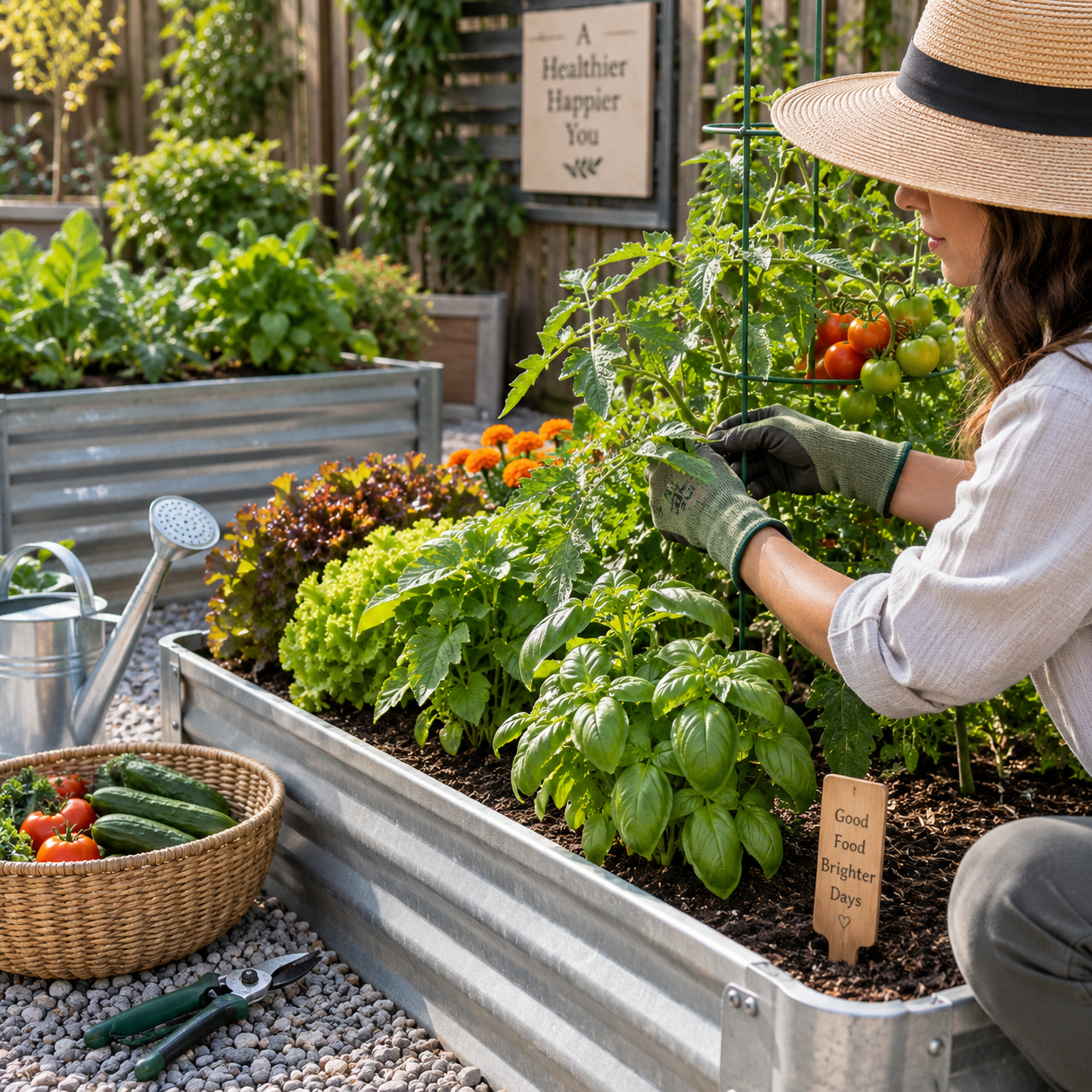
Raised garden beds make growing vegetables more manageable, but they still need regular attention throughout the growing season. Soil moisture changes, plants compete for nutrients, weeds appear, and pests can become more active as temperatures rise.
Fortunately, maintaining raised garden beds doesn’t require hours of work every day. A few consistent habits can help keep your plants healthy and your garden productive from spring planting through the final harvest.
Here’s how to build a practical maintenance routine that works throughout the growing season.
Watering is one of the most important parts of raised bed maintenance.
Raised beds, particularly elevated planters and beds with fast-draining soil, may dry out more quickly than surrounding garden soil.
Instead of watering on a fixed schedule, check moisture several inches below the surface.
If the soil feels dry at root level, it’s usually time to water. If it remains moist, wait and check again later.
Water deeply enough to reach the roots rather than repeatedly wetting only the surface.
Drip irrigation and soaker hoses can provide consistent moisture while reducing unnecessary water on plant leaves.
For more detailed watering advice, read our guide on how often you should water a raised garden bed.
Mulch helps protect exposed soil from direct sunlight, heavy rain, and rapid moisture loss.
Organic materials such as clean straw, shredded leaves, and suitable wood chips can work well around vegetables.
Apply mulch after the soil has warmed sufficiently for the crops you’re growing.
Keep mulch slightly away from plant stems to reduce prolonged moisture buildup around the base.
Check the mulch layer periodically and replace material that has decomposed or moved away.
A well-maintained mulch layer can also reduce the number of weeds competing with vegetables.
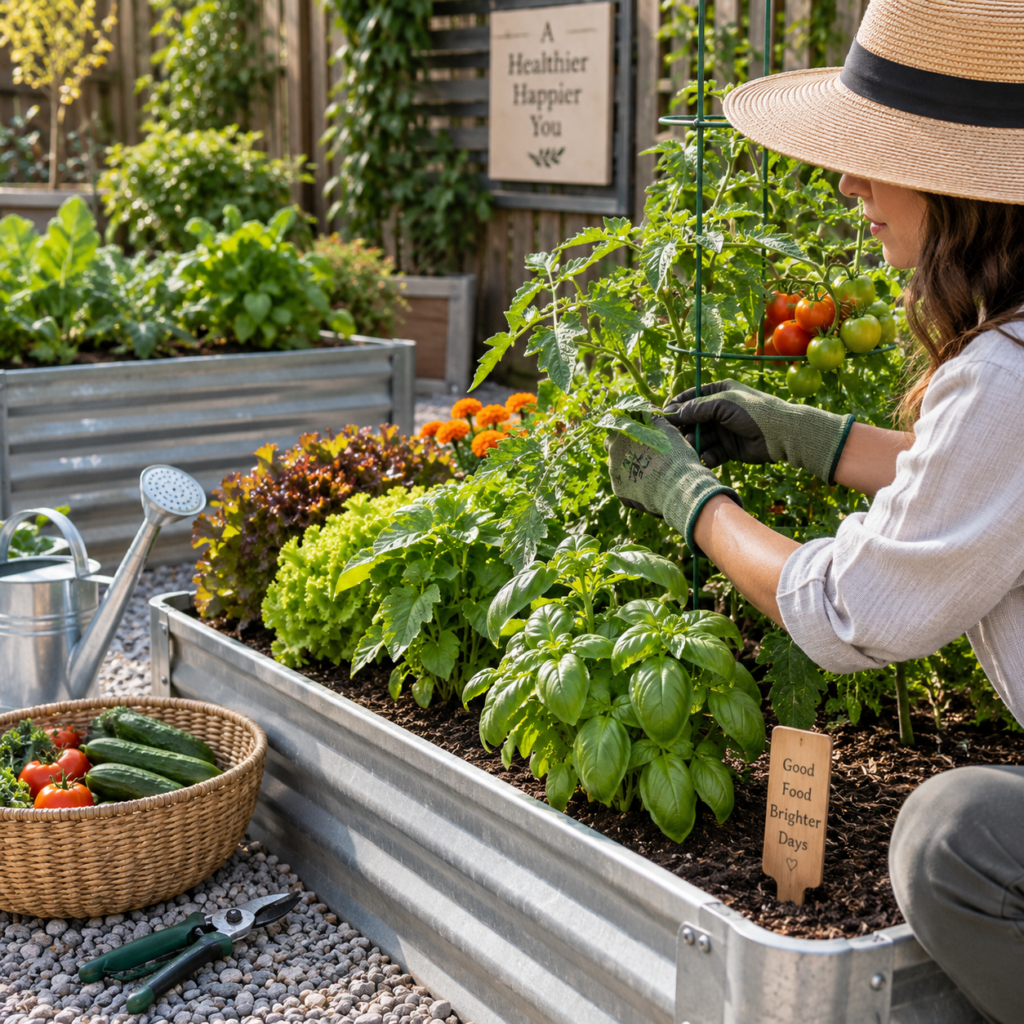
Even raised garden beds develop weeds.
Seeds can arrive through wind, birds, compost, or surrounding soil.
Inspect your beds regularly and remove small weeds before their roots become established.
Hand pulling is often enough for young weeds growing in loose raised bed soil.
Try to remove weeds before they flower and produce seeds.
Avoid disturbing vegetable roots unnecessarily when working around established plants.
Vegetables use nutrients as they grow, especially during periods of rapid development and fruit production.
Watch for unusual yellowing, poor growth, or other symptoms, but remember that these problems can also result from watering, temperature, or disease.
Use soil testing when possible to determine whether additional nutrients are needed.
Mature compost can help maintain soil structure, although it doesn’t automatically supply every nutrient in the correct amount.
Avoid applying fertilizer simply because plants appear stressed.
Proper diagnosis is more useful than adding unnecessary amendments.
A quick inspection several times a week can help you notice problems early.
Check the undersides of leaves, new growth, stems, and developing fruit.
Look for insect damage, unusual spots, wilting, or distorted foliage.
Identify the cause before choosing a treatment. Not every insect is harmful, and many gardens benefit from predators and pollinators.
Remove badly diseased plant material when appropriate and clean tools to reduce the risk of spreading pathogens.
Healthy spacing and suitable watering practices also support better plant conditions.
| Maintenance Task | Suggested Frequency | Main Purpose |
|---|---|---|
| Check soil moisture | Daily during hot weather; otherwise as needed | Prevent water stress |
| Inspect plants | Several times per week | Detect pests and disease |
| Remove weeds | Weekly or as needed | Reduce competition |
| Check mulch | Every 2–3 weeks | Maintain soil coverage |
| Inspect supports | Weekly during rapid growth | Prevent plant damage |
| Monitor nutrients | Throughout the season | Identify soil fertility needs |
| Harvest vegetables | As crops mature | Maintain quality and productivity |
| Remove finished crops | After harvest | Prepare space for new planting |
These are general guidelines. Adjust your routine according to weather, crop requirements, and local growing conditions.
As vegetables mature, some plants require additional support.
Tomatoes may need cages or stakes, while cucumbers, peas, and pole beans often benefit from trellises.
Check supports regularly, especially after strong winds or heavy rain.
Remove damaged or diseased foliage when appropriate, using clean tools.
However, avoid excessive pruning. Different crops have different growth habits, and unnecessary leaf removal can reduce plant productivity.

Regular harvesting is an important part of garden maintenance.
Leafy greens can often be harvested in stages, while beans, cucumbers, and other fruiting crops benefit from timely picking.
Check plants frequently during peak production.
Remove overripe or damaged produce when appropriate to help maintain garden hygiene.
After a crop finishes, clear the remaining plant material and assess whether the growing space can support another planting.
Garden maintenance needs change between spring, summer, and fall.
During spring, focus on establishing plants, monitoring soil moisture, and protecting young crops from unexpected cold.
In summer, pay closer attention to watering, mulch, plant supports, and heat stress.
As temperatures cool, remove finished crops, prepare suitable fall plantings, and clean up diseased debris.
For a detailed guide to late-season preparation, see our article on how to prepare raised garden beds for winter.
Maintaining raised garden beds throughout the growing season is mostly about consistency.
Check moisture regularly, protect the soil with mulch, remove weeds early, and inspect vegetables for pests or disease.
Support plants as they grow, harvest crops when ready, and adjust your maintenance routine as the weather changes.
You don’t need a complicated schedule. Regular observation and timely care can make a noticeable difference in the health and productivity of your garden.
For more practical advice on watering, weed prevention, seasonal maintenance, and keeping raised beds healthy, explore our Garden Care guides.