Newsletter Subscribe
Enter your email address below and subscribe to our newsletter


Raised Bed Gardening Made Simple
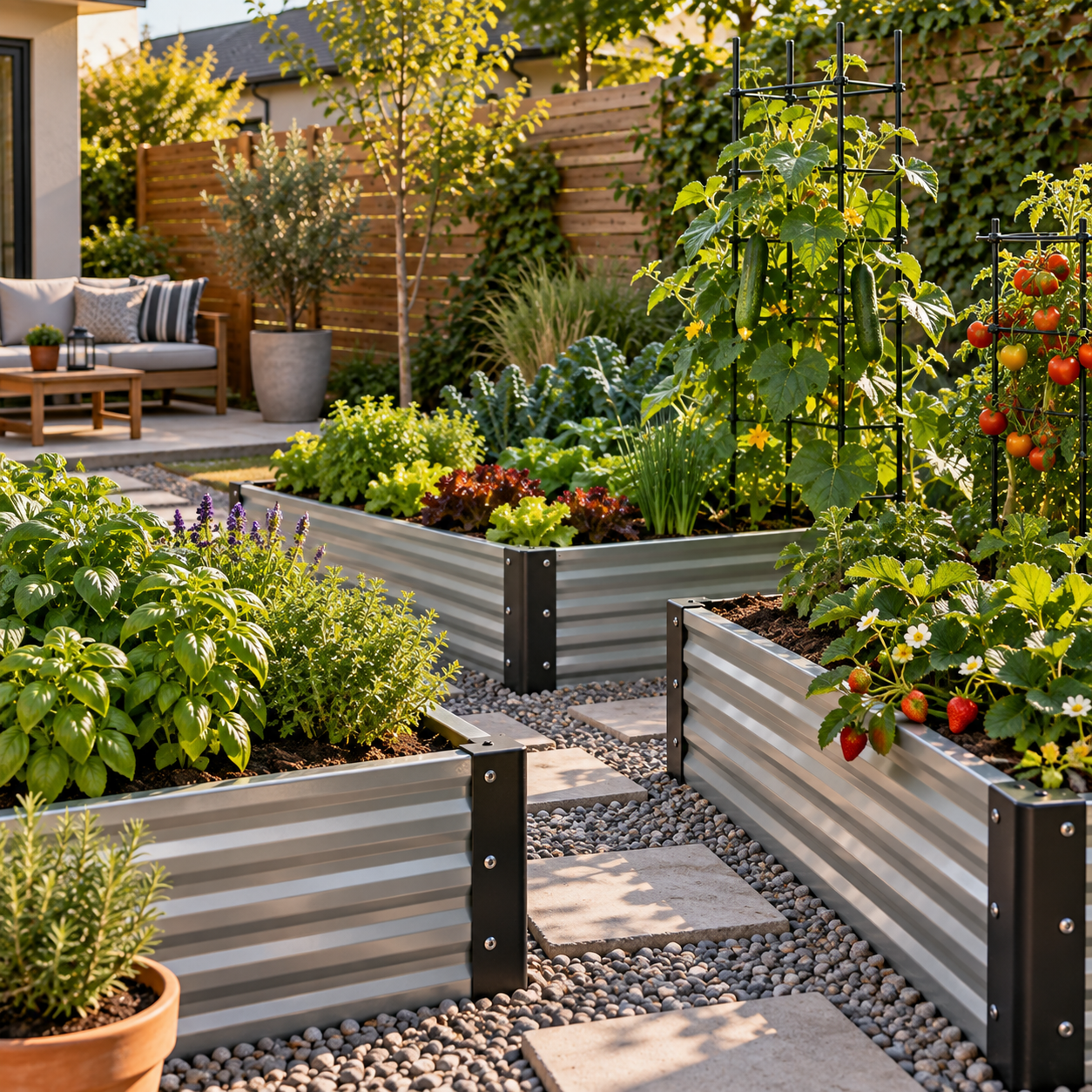
A small backyard does not mean you have to settle for a small harvest. Raised garden beds can make limited outdoor spaces easier to organize, but choosing the right size matters. A bed that is too wide can be difficult to reach across, while an oversized layout may leave too little room for pathways, watering, and everyday maintenance.
For most small backyards, the best raised bed is not necessarily the largest one that will fit. It is the size that gives you enough growing space while keeping every part of the garden easy to reach.
For a bed that can be accessed from both sides, about 4 feet (1.2 m) wide is a common practical maximum. This allows many gardeners to reach toward the center without stepping into the growing soil.
In tighter spaces, a 2- to 3-foot-wide bed can be even more convenient.
If the raised bed will sit against a fence, wall, or other location where you can only access it from one side, consider keeping it around 2 feet wide. A narrow bed reduces the need to stretch across plants to reach the back.
This is especially useful for small patios, side yards, and narrow backyard boundaries.
Length is more flexible than width.
A 4-foot-long bed works well in very compact gardens and is easy to position without dominating the space. If your backyard allows it, 6- or 8-foot lengths provide considerably more growing area while still remaining manageable.
Longer beds can work, but several shorter beds may offer more flexibility in a small backyard.
For example, two 3 × 4 ft beds can sometimes fit around doors, pathways, corners, or existing landscaping better than one long 3 × 8 ft bed.
Here is a practical comparison:
| Bed Size | Best For | Advantages | Space Needed |
|---|---|---|---|
| 2 × 4 ft | Patios and very small yards | Compact and easy to reach | Very low |
| 3 × 4 ft | Small vegetable gardens | Good balance of access and capacity | Low |
| 3 × 6 ft | Mixed vegetables and herbs | More growing room without excessive width | Moderate |
| 4 × 4 ft | Square layouts | Easy crop organization | Moderate |
| 4 × 6 ft | Productive small gardens | Large growing area in one bed | Moderate |
| 4 × 8 ft | Larger small backyards | High capacity and efficient use of space | Higher |
For many homeowners with limited space, 3 × 4 ft, 3 × 6 ft, and 4 × 4 ft beds are particularly versatile.
The footprint is only one part of raised bed sizing. Depth also affects what you can grow.
A bed around 10–12 inches deep can accommodate many common vegetables when suitable soil exists underneath. Deeper beds can provide more root space and may be useful when the native ground is poor, compacted, or inaccessible.
Root vegetables and larger crops may benefit from additional soil depth.
However, deeper is not automatically better. A 24-inch-tall bed requires significantly more soil than a 12-inch bed of the same length and width.
In a small backyard, consider both plant requirements and the amount of growing medium you will need.
Internal link: Link the phrase “how deep should a raised garden bed be” to your existing depth guide.
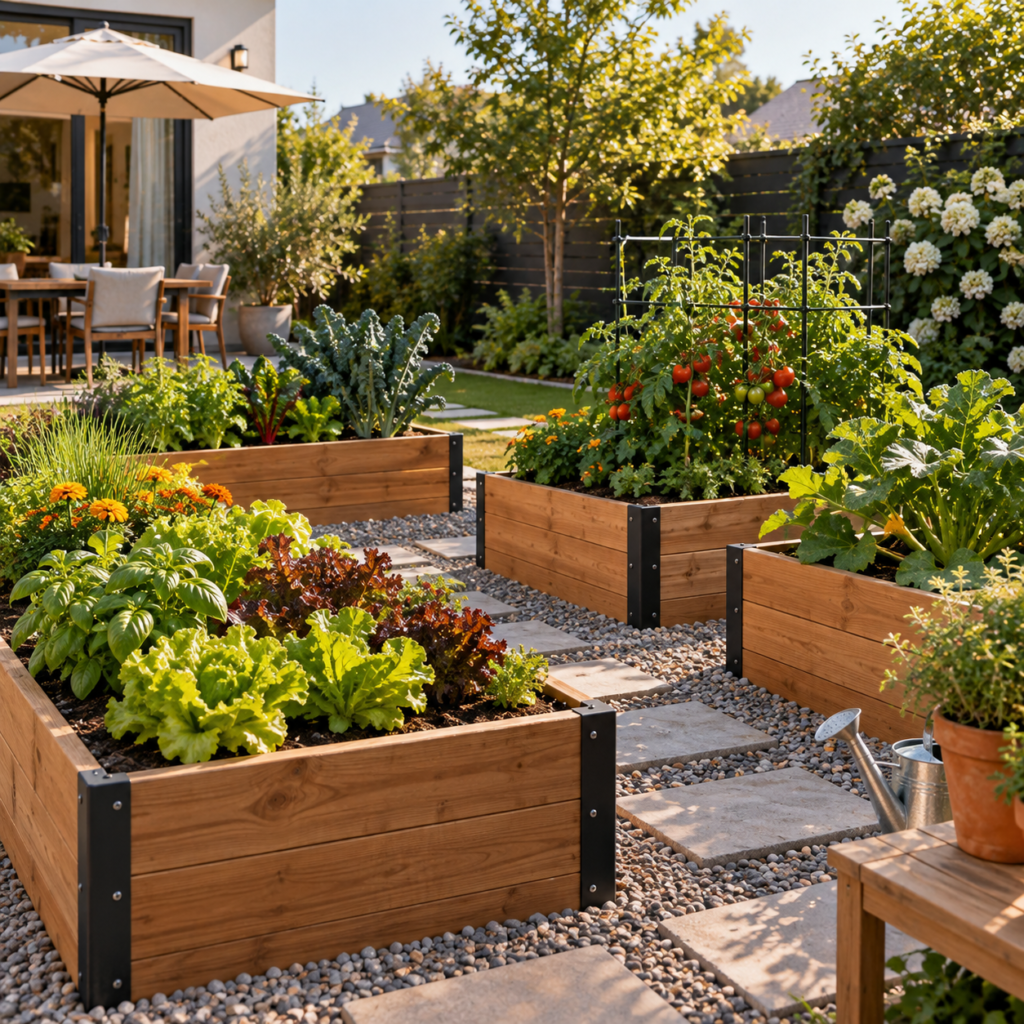
One of the most common small-garden mistakes is focusing entirely on growing area and forgetting about access.
You still need room to:
A pathway of roughly 2–3 feet is useful in many home gardens. If you regularly use a wheelbarrow or want easier mobility, wider paths may be preferable.
Before building anything, mark the proposed beds and paths on the ground with stakes, string, or temporary objects. Walk through the layout and make sure it feels comfortable.
Internal link: Link “how far apart raised garden beds should be” to your existing spacing article.
Long, narrow spaces are often wasted in small backyards.
A 2-foot-wide raised bed placed along a fence can turn one of these areas into productive growing space without blocking the center of the yard.
This layout works particularly well for herbs, leafy greens, peppers, and other crops that can be maintained from one side.
For climbing crops such as cucumbers or pole beans, a trellis can also make use of vertical space.
One large raised bed may appear more efficient, but several smaller beds can make crop planning easier.
You could dedicate one bed to herbs and leafy greens, another to tomatoes and peppers, and another to seasonal crops.
Separate beds also make crop rotation and soil amendments easier to manage.
In an irregularly shaped backyard, smaller beds can fit around patios, trees, utility areas, and existing landscaping more effectively.
Never choose a raised bed based only on the product dimensions.
Measure the entire usable area, including the pathways around the bed.
For example, a 4 × 8 ft bed may physically fit into a 6 × 10 ft space, but there may not be enough comfortable access around it.
Sketch the backyard on paper and mark:
bed dimensions + pathways + doors + fences + irrigation + sunlight direction.
This simple step can prevent an expensive layout mistake.
Internal link: Link “where to place a raised garden bed” to your existing raised bed placement guide.
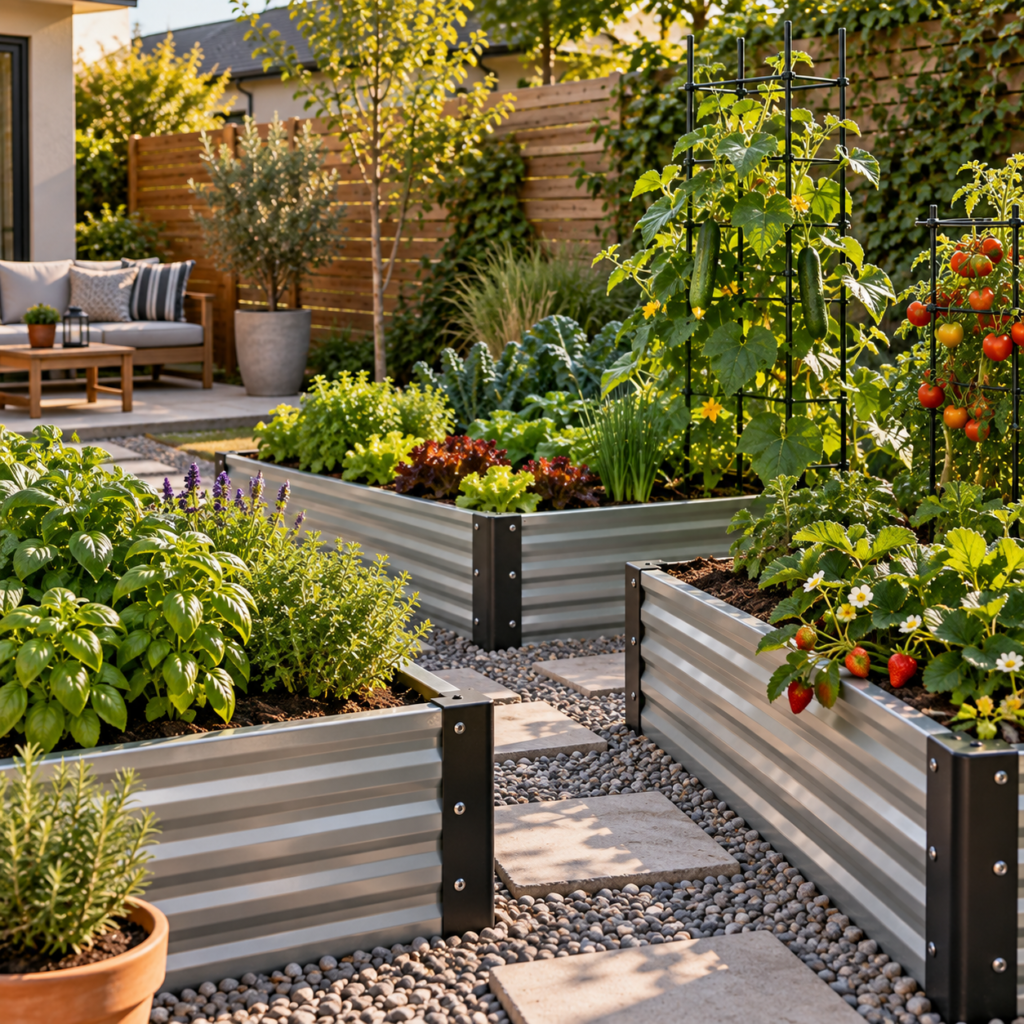
For most small backyards, raised beds between 2 and 4 feet wide and 4 to 8 feet long offer plenty of useful options. The best dimensions depend on how much space you have, whether you can access the bed from one or both sides, and what you plan to grow.
Prioritize accessibility over maximum bed size. A slightly smaller raised bed surrounded by comfortable pathways is usually more useful than a large bed that is difficult to reach.
For more help choosing the right size, material, depth, and layout, explore our Raised Beds guides.