Newsletter Subscribe
Enter your email address below and subscribe to our newsletter


Raised Bed Gardening Made Simple

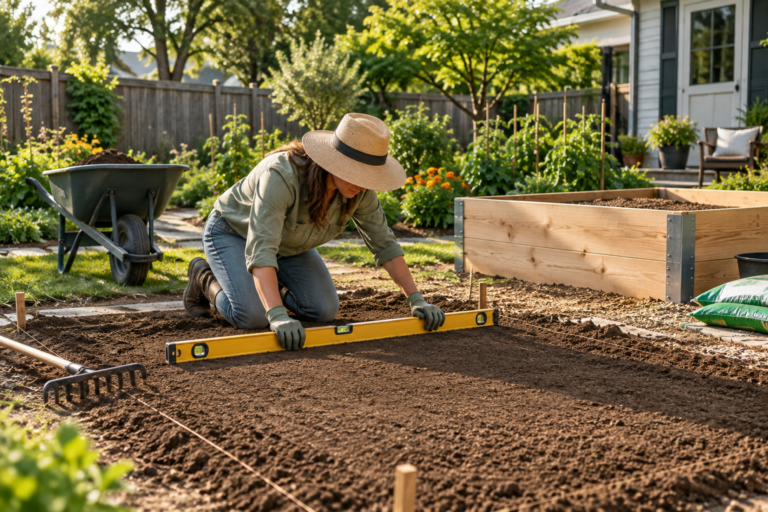
A raised garden bed may look simple to install, but the condition of the ground underneath it can affect drainage, soil depth, structural stability, and even watering. If a bed is placed on noticeably uneven ground, water may collect toward…
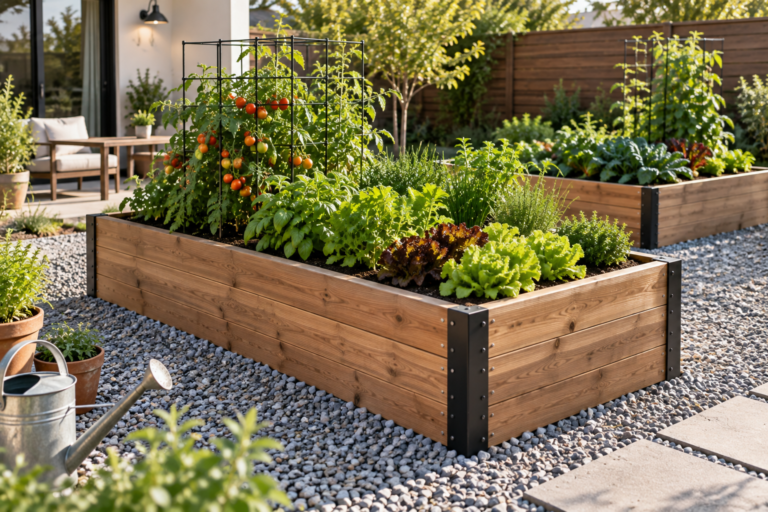
Yes, you can put a raised garden bed on gravel. In many backyards, gravel can actually provide a practical, clean base for a raised-bed garden. It keeps surrounding paths relatively mud-free and can work well where an existing patio, side…
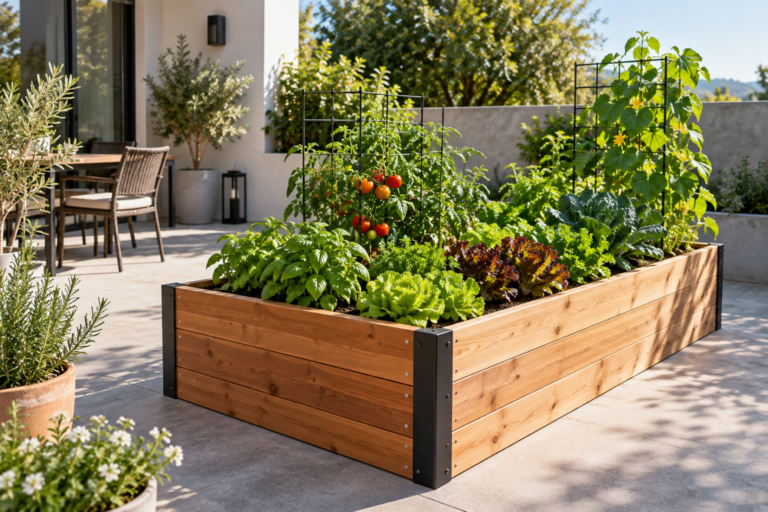
A concrete patio, driveway, or paved backyard does not have to prevent you from growing vegetables. A properly designed raised garden bed can work well on a hard surface, but it needs to be treated differently from a bed built…
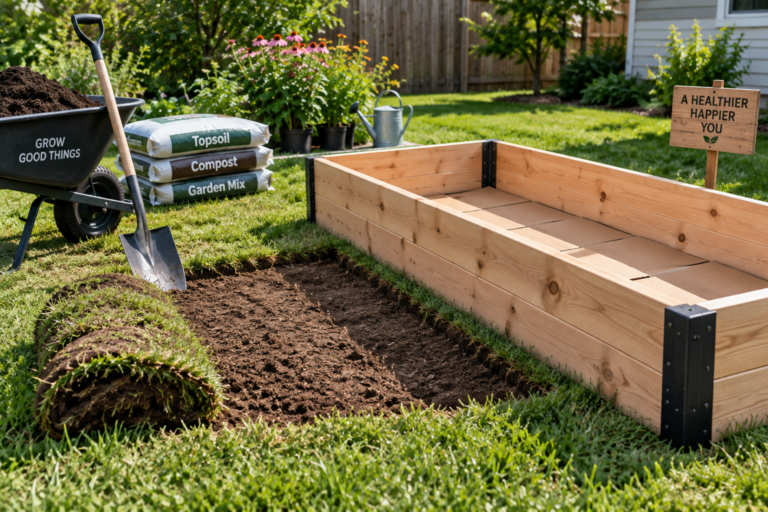
Turning part of a lawn into a productive vegetable garden does not necessarily require removing every inch of turf with a shovel. A raised garden bed can be installed directly where grass currently grows, but simply placing a wooden frame…
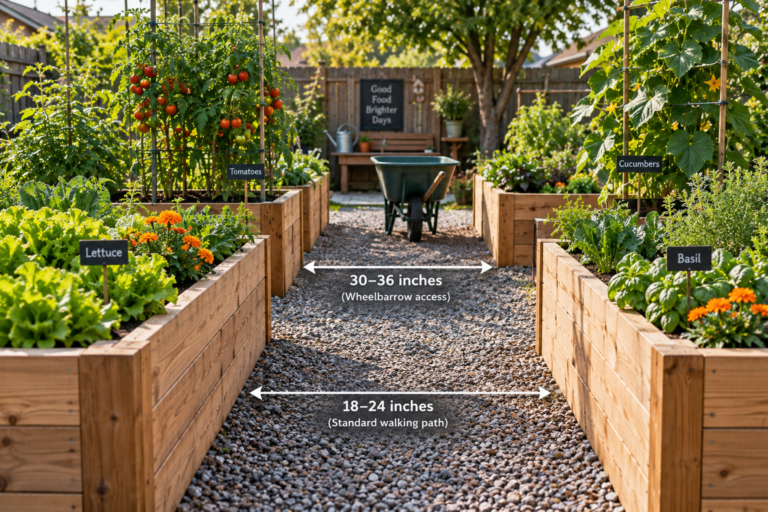
When planning several raised garden beds, gardeners often spend more time deciding the length and width of each bed than thinking about the space between them. That space matters just as much. Paths that are too narrow can make watering,…
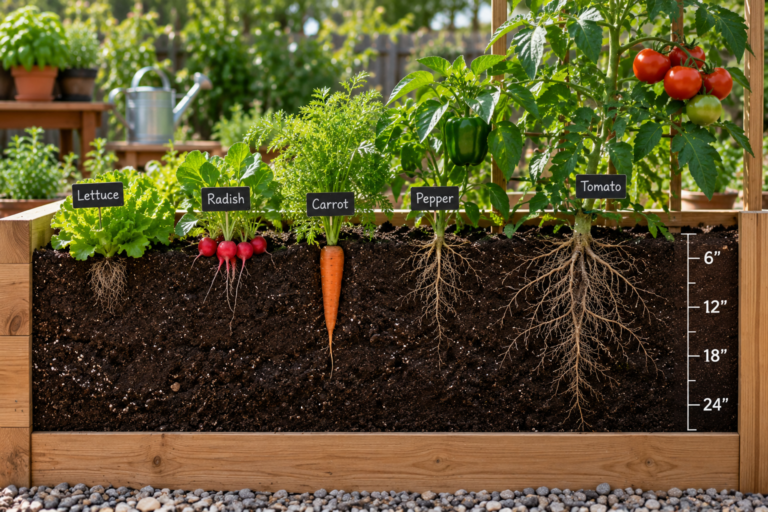
One of the first decisions when building a vegetable garden is determining the depth of the raised bed. While it is tempting to assume that deeper is always better, vegetable roots vary considerably in how much soil they actually use.…
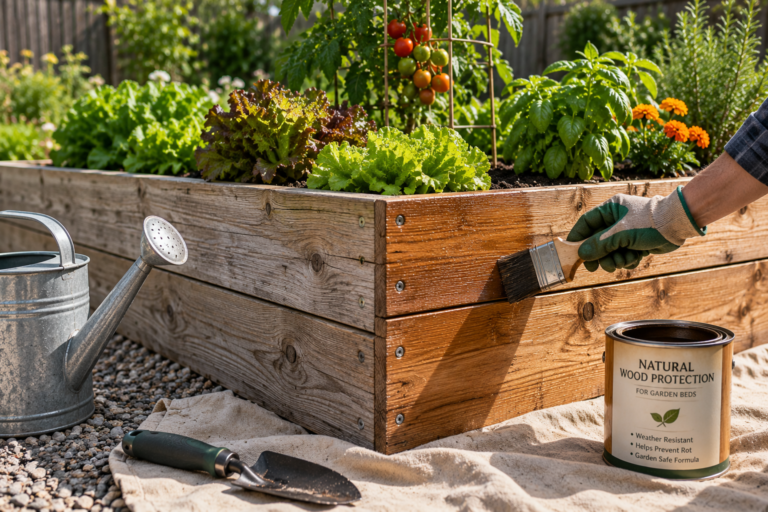
Wooden raised garden beds are attractive, easy to build, and suitable for almost any backyard. Their main disadvantage is simple: wood eventually decays. A raised bed creates particularly challenging conditions because the inside of the boards remains in regular contact…
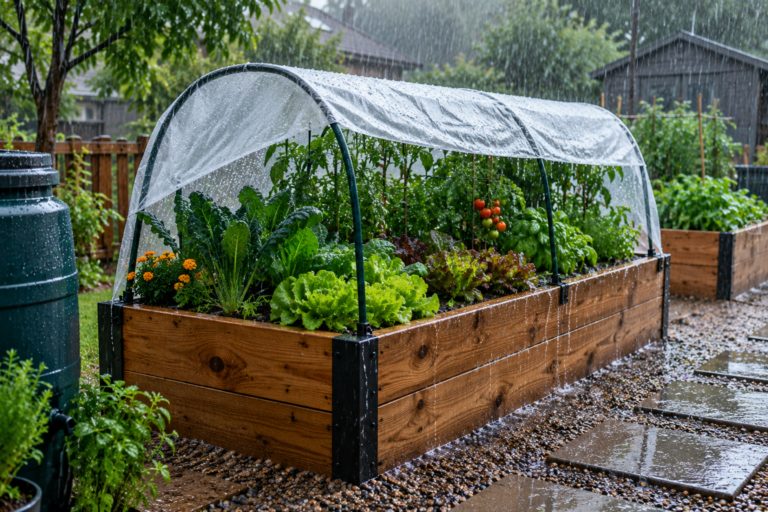
Raised garden beds generally handle wet weather better than poorly drained in-ground gardens, but several days of intense rain can still cause problems. Excess water can saturate the root zone, wash soil from the bed, flatten seedlings, expose roots, damage…
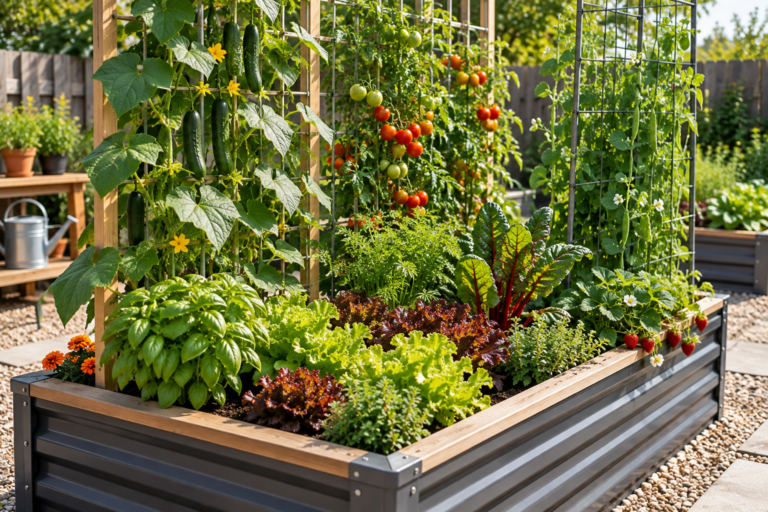
A raised garden bed may have a limited footprint, but that does not mean its harvest has to be small. With thoughtful crop selection and better use of vertical and temporary spaces, even a compact bed can produce vegetables and…
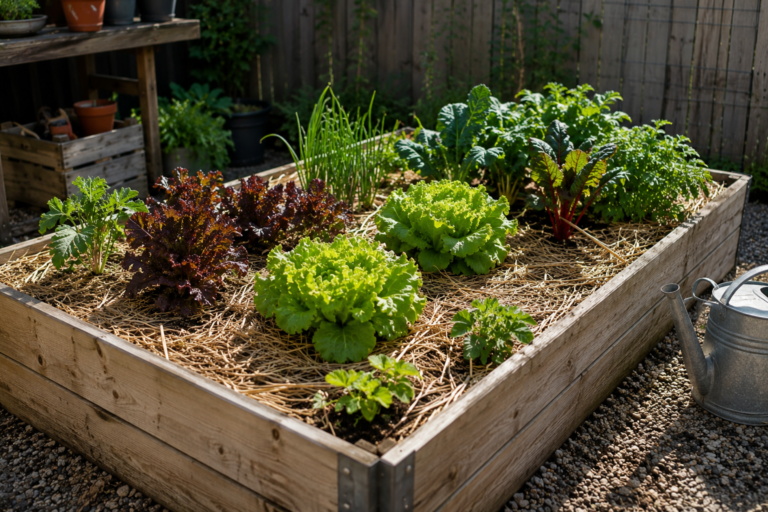
Mulching is one of the simplest ways to make a raised garden bed easier to maintain. A good layer of mulch protects exposed soil, slows moisture loss, reduces temperature fluctuations, and can gradually contribute organic matter as it breaks down.…