Newsletter Subscribe
Enter your email address below and subscribe to our newsletter


Raised Bed Gardening Made Simple
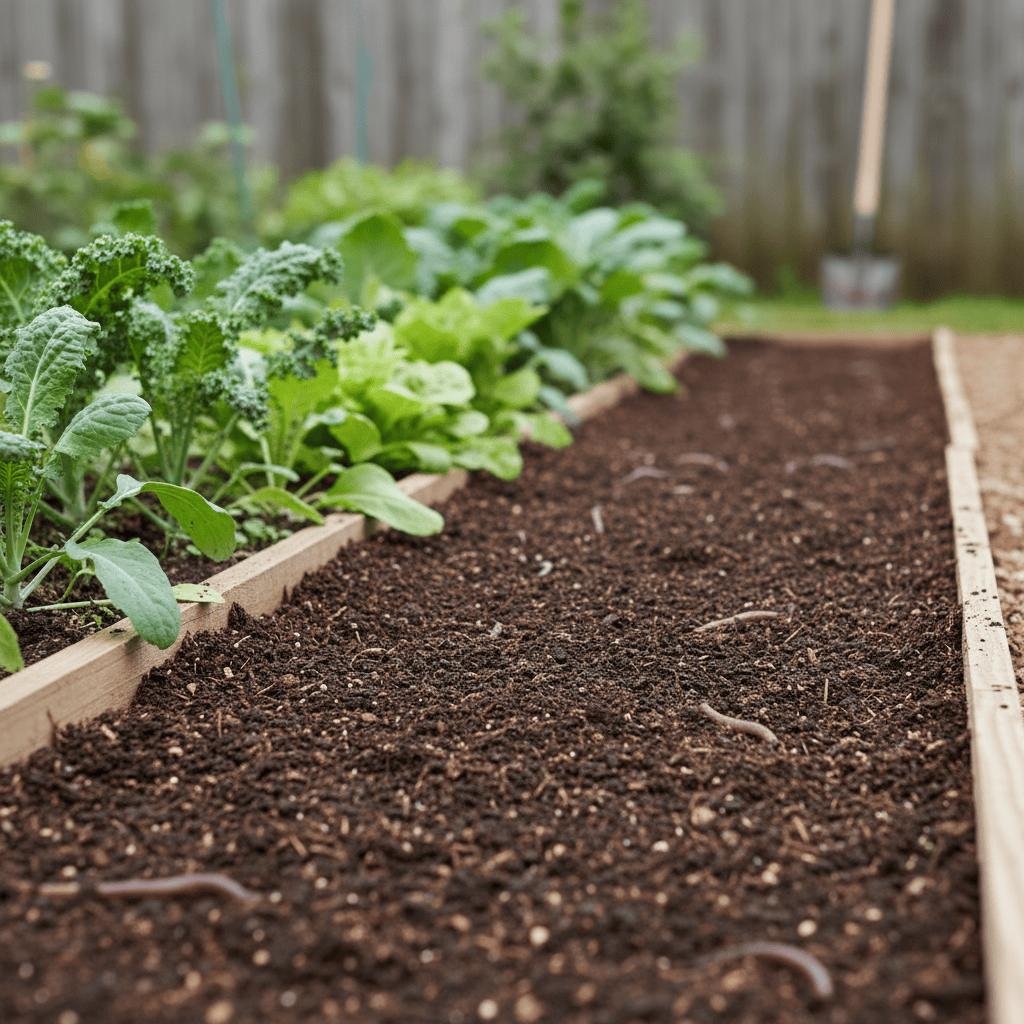
When vegetables struggle in a raised bed, the cause is written on their leaves. Yellowing, purple tints, curled edges, and stunted growth are all messages — each one pointing to a specific missing nutrient. Learning to read these symptoms turns you from a guessing gardener into a confident diagnostician, and most deficiencies can be fixed within a couple of weeks once correctly identified.
Before blaming nutrients, check the basics. Underwatering, overwatering, compacted soil, insect damage, and disease can all mimic deficiency symptoms. A simple rule helps: nutrient problems usually appear in patterns — uniformly on old leaves, uniformly on new leaves, or between the veins — while pests and diseases leave spots, holes, or webbing. Also remember that a soil pH outside the 6.0–7.0 range can lock nutrients away even when they are present, so a quick pH test should always be your first step.
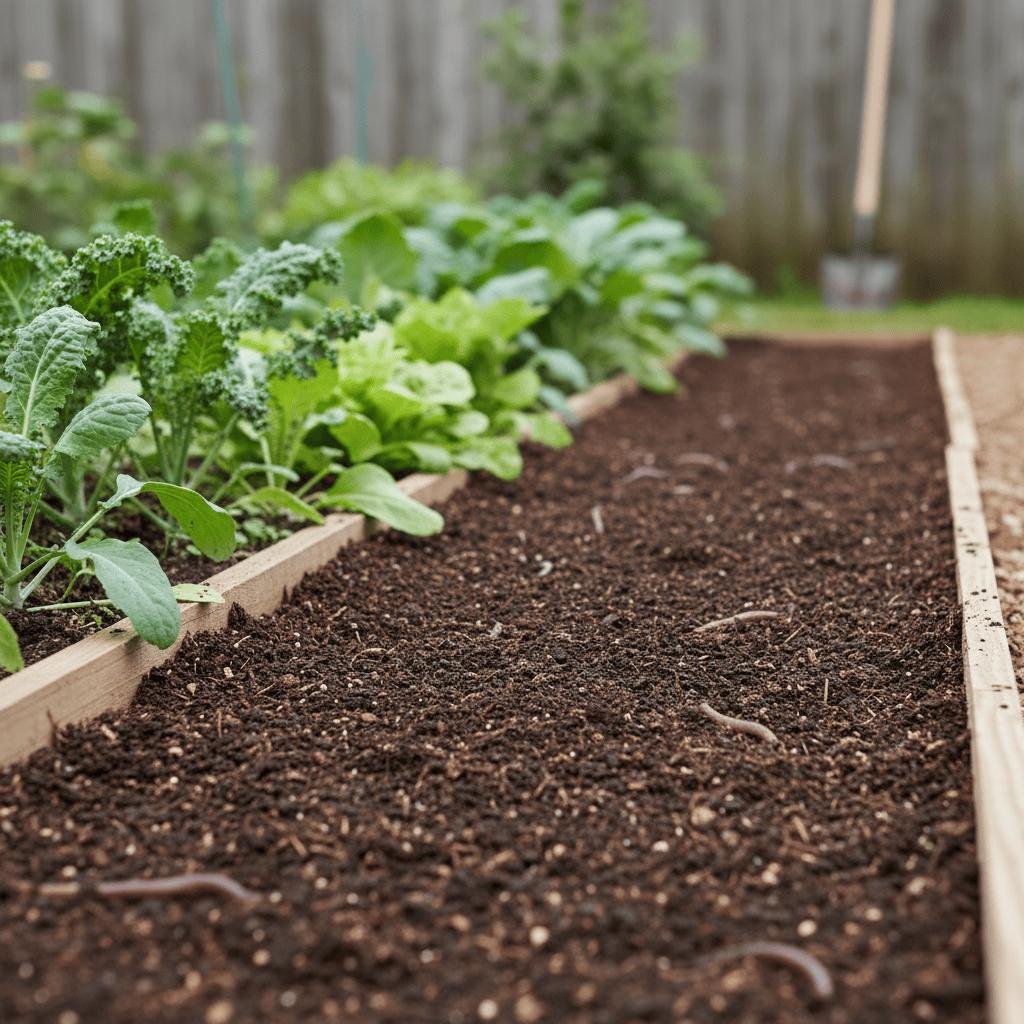
Nitrogen is mobile inside the plant, so when it runs short the plant pulls it from old leaves to feed new growth. The classic symptom is uniform yellowing starting at the bottom leaves and climbing upward, accompanied by slow, spindly growth. Heavy feeders like corn, tomatoes, and brassicas show it first.
A phosphorus shortage shows as purple or reddish discoloration on leaf undersides, especially in seedlings, plus poor flowering and root development. Cold soil below 55°F often triggers it even in phosphorus-rich soil, because roots simply cannot absorb the nutrient when chilled.
Potassium deficiency starts as yellowing and browning along leaf margins — a burnt, crisp edge — while the leaf center stays green. Older leaves are hit first, and fruits may be small, thin-skinned, or slow to ripen.
Beyond NPK, three deficiencies appear frequently in raised beds. Magnesium causes interveinal chlorosis — yellow patches between green veins — on older leaves, especially in tomatoes. Calcium shows up in new growth: blossom-end rot on tomatoes and peppers, and tip burn on lettuce, usually caused by irregular watering rather than actual calcium shortage. Iron also yellows between the veins, but on the youngest leaves first, a key distinction from magnesium.
| Nutrient | Where It Shows First | Key Symptom | Fast Fix |
|---|---|---|---|
| Nitrogen (N) | Older, lower leaves | Uniform pale yellowing; slow growth | Fish emulsion, blood meal, compost |
| Phosphorus (P) | Undersides, seedlings | Purple/red tint; poor flowering | Bone meal, rock phosphate; warm the soil |
| Potassium (K) | Older leaf margins | Brown scorched edges; weak fruits | Sul-po-mag, wood ash (sparingly) |
| Magnesium (Mg) | Older leaves, between veins | Yellow patches between green veins | Epsom salt foliar spray (1 tbsp/gal) |
| Calcium (Ca) | New growth & fruits | Blossom-end rot; lettuce tip burn | Even watering, gypsum, crushed eggshells |
| Iron (Fe) | Youngest leaves, between veins | Yellow new leaves with green veins | Chelated iron; lower soil pH |
Table 1: Visual diagnosis of the six most common nutrient deficiencies in raised bed vegetables.
Symptoms tell you where to look; a soil test tells you what to fix. Send a sample to a lab or use a home NPK test kit before applying large amendments — adding the wrong nutrient can create a new imbalance and lock out others.
Fast-acting liquid feeds (fish emulsion, seaweed extract, compost tea) correct symptoms within days but fade quickly. Slow-release organic matter — finished compost, aged manure, balanced organic fertilizer — rebuilds the soil’s nutrient bank for the whole season. For most raised beds, the sustainable rhythm is: 1–2 inches of fresh compost each season, a balanced organic fertilizer at planting, and targeted liquid feeds only when symptoms appear. Mulch and steady watering prevent the swings that trigger calcium and potassium problems in the first place.
Diagnosing nutrient deficiencies is a skill built on pattern recognition: bottom leaves yellowing means nitrogen, purple tinting means phosphorus, scorched edges mean potassium, and the age of the affected leaf separates magnesium from iron. Start with a pH test, confirm with a soil test, feed the soil as well as the plant, and your raised bed vegetables will show their health in every leaf.