Newsletter Subscribe
Enter your email address below and subscribe to our newsletter
Raised Bed Gardening Made Simple
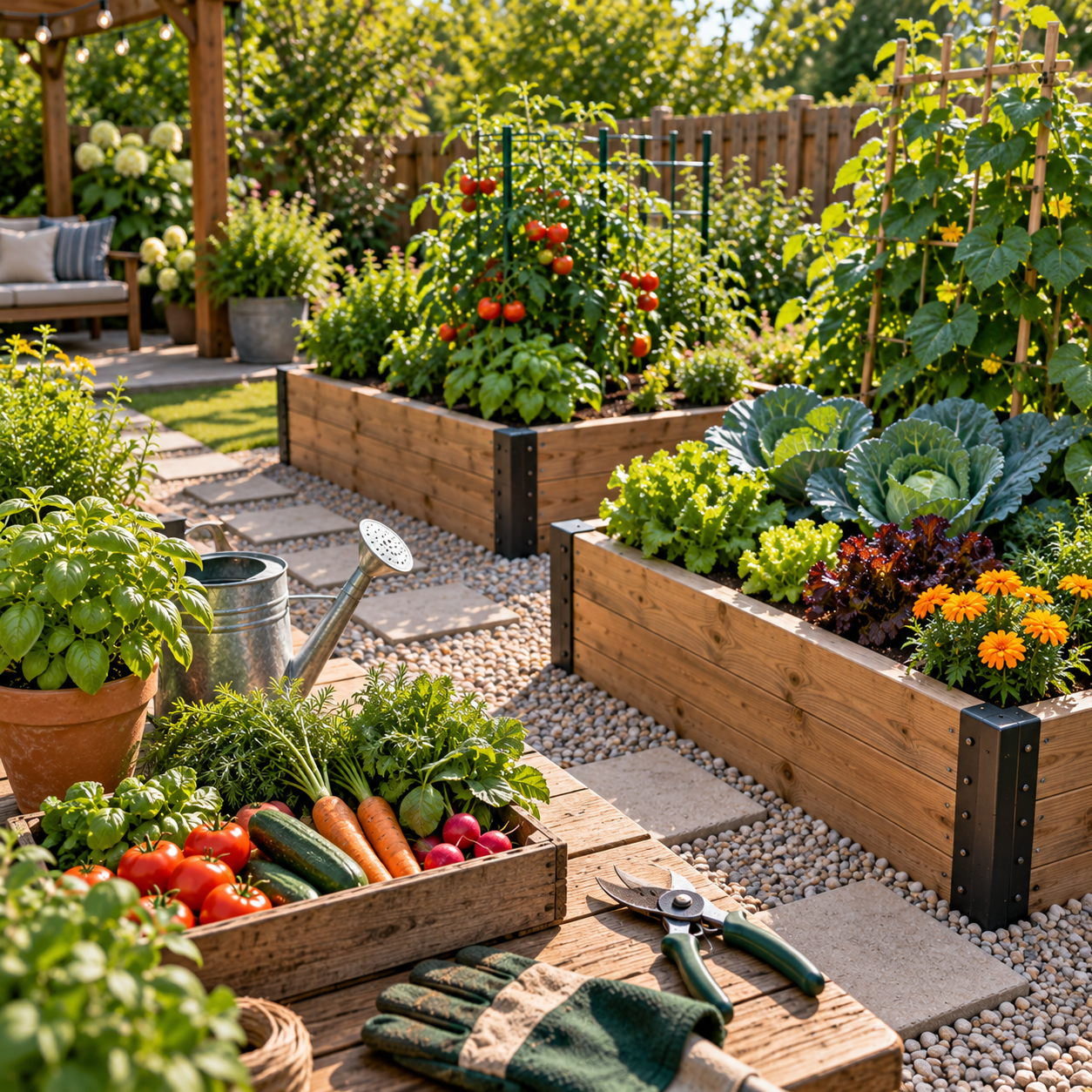
Standing in the garden aisle with a half-empty raised bed and a shelf full of bags, the question is inevitable: can potting mix do the job? The short answer is yes — but with important caveats. Potting mix can fill a raised bed, yet for most gardeners it is the wrong tool for the whole bed and the expensive way to do it. Here is how each material behaves, and how to combine them for the best results at the lowest cost.
Despite the name, potting mix contains little or no true soil. It is a soilless blend of peat moss or coconut coir, perlite, vermiculite, and composted bark, formulated for containers. Its strengths are excellent drainage, a light texture that is gentle on seedling roots, and freedom from soil-borne diseases and weeds. Its weaknesses appear when you put it in a large bed: it holds few nutrients, decomposes and settles within a season or two, and dries out fast in hot weather. Filling a 4×8 bed a foot deep requires roughly 32 cubic feet — at bag prices, that gets expensive quickly.
Raised bed soil (sold bagged or delivered bulk) blends mineral topsoil with compost. It is heavier and more nutrient-dense, holds moisture far better, and costs much less per cubic foot in bulk. In-ground topsoil is the cheapest filler of all but is often compacted, weedy, or clay-heavy — usable in the bottom third of a deep bed, but rarely ideal on its own.
| Feature | Potting Mix | Raised Bed Soil | In-Ground Topsoil |
|---|---|---|---|
| Composition | Soilless (peat/coco, perlite, bark) | Topsoil + compost blend | Natural mineral soil |
| Drainage | Excellent | Good | Variable (can be clay-heavy) |
| Water retention | Low–moderate | Good | Good–excessive |
| Nutrient content | Low; needs feeding | Moderate–high | Variable |
| Weeds & pathogens | Nearly none | Low | Higher risk |
| Settling over time | Shrinks noticeably in 1–2 seasons | Minimal settling | Stable |
| Cost per volume | High ($$–$$$) | Moderate ($–$$) | Low ($) |
| Best use in a raised bed | Top 2–3 inches, seed starting | Main fill (60–70%) | Bottom fill for deep beds |
Table 1: Potting mix vs. raised bed soil vs. topsoil for filling a raised garden bed.
Instead of choosing one material, layer them. For a bed 12 inches or deeper: put roughly the bottom third as topsoil, or even coarse organic matter like half-rotted leaves and branches (hügelkultur style) that will slowly become soil. Fill the middle with raised bed soil mixed with 25–30% compost. Finish the top 2–3 inches with potting mix if you are direct-seeding, because its fine, weed-free texture gives seedlings the easiest start. This approach costs a fraction of an all-potting-mix fill and actually grows better plants, because the mineral soil provides stable structure and nutrients while the potting mix layer handles delicate germination.
Shallow beds (8 inches or less), root vegetables like carrots that prize loose texture, or beds over concrete where weight and drainage matter most. In those cases, mix potting mix 50/50 with compost to add nutrients and reduce shrinkage — and expect to top up every spring.
Yes, you can use potting mix in a raised garden bed — but the best-raised beds are built like a layer cake, not a single ingredient. Use cheap topsoil or organic matter for the deep bottom, nutrient-rich raised bed soil for the middle, and reserve costly potting mix for the seedling layer. You will spend less, water less, and harvest more.