Newsletter Subscribe
Enter your email address below and subscribe to our newsletter


Raised Bed Gardening Made Simple
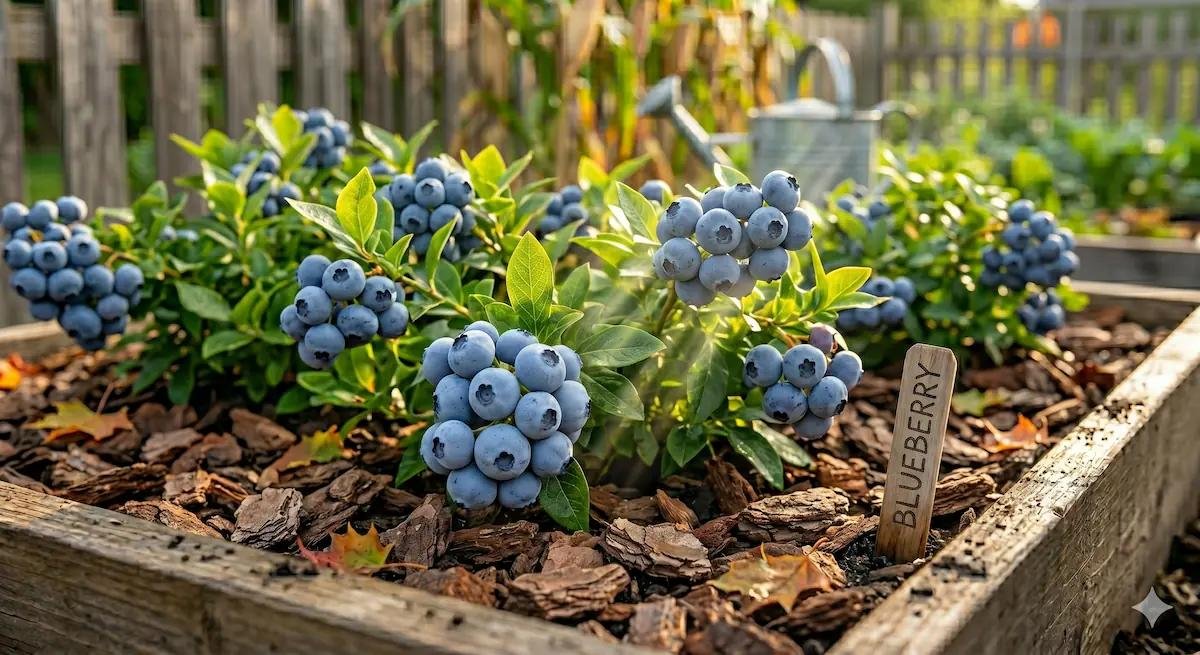
Blueberries are a rewarding fruit crop for home gardeners, but they have different soil requirements from most vegetables. While tomatoes, lettuce, and peppers grow well in slightly acidic to neutral soil, blueberries need a more acidic growing environment.
This makes raised beds particularly useful. Instead of changing the soil chemistry across an entire backyard, gardeners can prepare a dedicated growing area with conditions suited to blueberry plants.
With the right soil pH, drainage, moisture, and variety selection, blueberries can thrive in raised beds for many years.
Here’s how to get started.
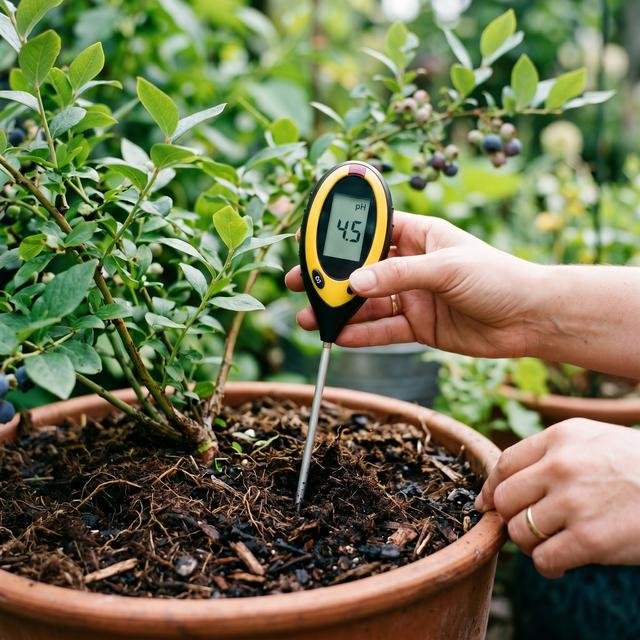
Blueberries grow best in acidic soil, generally with a pH between 4.5 and 5.5.
Soil pH affects how easily plant roots can access essential nutrients.
When the pH is too high, blueberries may struggle to absorb iron and other nutrients, even when those nutrients are present.
This can lead to yellowing leaves, weak growth, and poor fruit production.
Unlike many vegetables, blueberries have shallow, fine root systems that are sensitive to unsuitable soil conditions.
Testing soil pH before planting is one of the most important steps.
Different blueberry types are suited to different climates.
Northern highbush blueberries generally perform well in regions with cold winters and adequate winter chilling.
Southern highbush blueberries are often better suited to milder climates because many varieties require less winter chilling.
Rabbiteye blueberries are commonly grown in warmer regions and can tolerate certain challenging conditions once established.
Choose varieties recommended for your local climate.
Many blueberries produce better crops when compatible varieties flower at overlapping times, although some cultivars are self-fertile.
| Blueberry Type | Suitable Climate | Typical Mature Size | Important Consideration |
|---|---|---|---|
| Northern highbush | Cool to cold winters | 4–6 feet | Requires suitable winter chilling |
| Southern highbush | Mild to warm regions | 3–6 feet | Lower chilling requirements in many cultivars |
| Rabbiteye | Warm regions | 6–10 feet | Often benefits from cross-pollination |
| Lowbush | Cold climates | 1–2 feet | Spreading growth habit |
| Half-high | Cold regions and compact gardens | 2–4 feet | Useful for smaller spaces |
Actual plant size and chilling requirements vary by cultivar.
Blueberries should ideally grow in a dedicated raised bed rather than sharing soil with vegetables that prefer a higher pH.
Choose a location receiving at least six to eight hours of sunlight daily.
A bed approximately 12–18 inches deep can provide a useful growing area, provided the underlying conditions support adequate drainage and root development.
Blueberries prefer soil rich in organic matter but do not tolerate prolonged waterlogging.
A suitable acidic growing medium may include pine bark-based materials and other amendments recommended for blueberries.
Avoid assuming ordinary vegetable garden soil will provide the correct conditions.
For more information about testing acidity, explore our guide on how to test raised garden bed soil pH at home.
If your soil pH is above the recommended range, elemental sulfur is commonly used to gradually increase acidity.
However, the amount required depends on soil texture, starting pH, and buffering capacity.
Sulfur works gradually through biological processes and may take several months to produce the desired change.
Do not add large quantities without soil test recommendations.
Avoid using vinegar or other quick household treatments as a substitute for proper soil management.
Retest the soil periodically and make adjustments based on reliable measurements.
Plant blueberries in spring or fall when local conditions are suitable.
Dig a hole wide enough to accommodate the root system without forcing roots into a tight space.
Gently loosen circling roots from container-grown plants when appropriate.
Position the plant at approximately the same depth it grew in its nursery container, following cultivar and local planting guidance.
Water thoroughly after planting.
Allow sufficient spacing based on the expected mature size of the selected variety.
Blueberries have shallow roots and need consistent moisture during establishment and fruit development.
Raised beds can dry out relatively quickly, particularly during hot weather.
Check moisture regularly and water deeply enough to reach the root zone.
Drip irrigation can provide steady moisture while reducing unnecessary leaf wetness.
Avoid waterlogged conditions, which can damage roots and increase the risk of disease.
If your irrigation water is highly alkaline, it may gradually affect soil pH, so periodic testing is useful.
Mulch helps maintain moisture and protect blueberry roots from temperature fluctuations.
Pine bark, pine needles, and suitable wood chips are commonly used around blueberry plants.
Apply a layer approximately 2–4 inches deep, keeping the material away from direct contact with stems.
Mulch also helps reduce weeds, which compete with blueberries for moisture and nutrients.
However, pine needles alone should not be relied upon to lower soil pH significantly.
For detailed mulching advice, read our guide on how to mulch a raised garden bed properly.
Blueberries require nutrients, but excessive fertilization can damage their sensitive root systems.
Use fertilizers recommended for acid-loving plants when soil testing indicates a need.
Ammonium-based nitrogen sources are commonly used in blueberry production, but application rates should follow local recommendations.
Avoid applying concentrated fertilizer directly against plant stems.
Yellowing leaves may indicate high soil pH rather than a simple lack of fertilizer.
Always investigate the cause before adding more nutrients.
Young blueberry plants benefit from careful establishment before heavy fruit production.
Some extension programs recommend removing flowers during the first growing season to encourage root and shoot development.
Established plants should be pruned during dormancy to remove dead, weak, or unproductive wood.
Pruning methods vary by blueberry type and plant age.
Inspect plants regularly for pests, diseases, and signs of moisture stress.
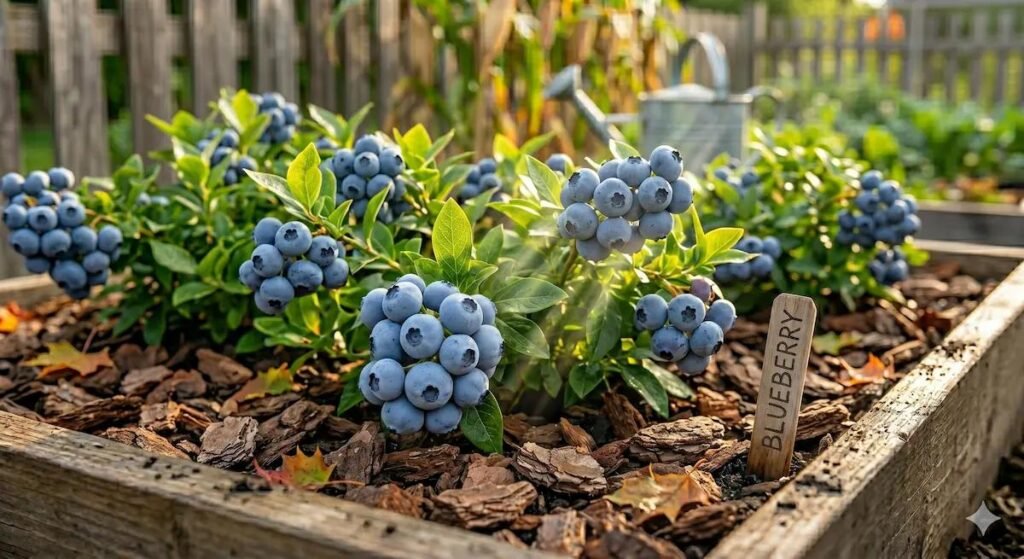
Blueberries generally ripen over several weeks rather than all at once.
Harvest berries when they have developed their full blue color and separate easily from the plant.
Fruit often becomes sweeter after turning blue, so avoid picking too early.
Check plants regularly during harvest season.
Bird netting may help protect ripening fruit, but it should be installed securely and monitored to reduce wildlife entanglement.
Refrigerate harvested berries promptly for better storage quality.
Growing blueberries in raised beds is an excellent option when your backyard soil isn’t naturally acidic enough.
The most important factors are choosing climate-appropriate varieties, maintaining soil pH around 4.5–5.5, providing good drainage, and keeping moisture consistent.
A dedicated acidic raised bed makes these conditions easier to manage without affecting nearby vegetables.
For more fruit and vegetable planting tutorials, soil preparation advice, and seasonal gardening techniques, explore our Growing Guides.