Newsletter Subscribe
Enter your email address below and subscribe to our newsletter


Raised Bed Gardening Made Simple
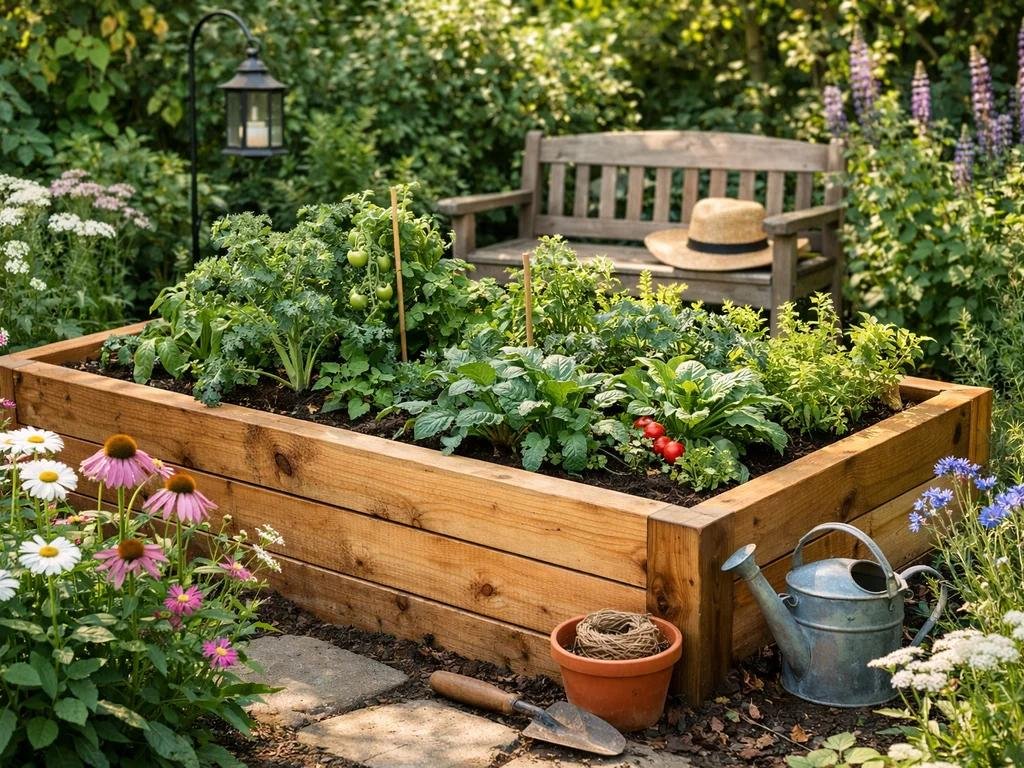
Wooden raised garden beds are popular among home gardeners because they look natural, are relatively easy to build, and fit beautifully into backyard landscapes. However, constant exposure to moisture, soil, sunlight, and changing weather conditions can gradually weaken wooden boards.
Without proper maintenance, wooden raised beds may develop rot, cracks, warping, or loose joints.
Fortunately, a few practical steps can significantly extend their lifespan without requiring expensive materials or major reconstruction.
The type of wood used in a raised garden bed has a major influence on its durability.
Cedar and redwood are popular choices because they contain natural compounds that provide some resistance to decay.
Untreated pine is usually more affordable, but it may deteriorate faster when exposed to consistently damp soil.
Wood thickness also matters. Thicker boards generally provide more material to withstand weathering and gradual deterioration.
When selecting lumber, look for straight boards without extensive cracks, soft spots, or signs of existing decay.
For a detailed comparison of materials, explore Best Wooden Raised Garden Beds.

Excess moisture is one of the biggest contributors to wood deterioration.
When water remains trapped against wooden boards, fungi responsible for decay may develop under suitable conditions.
Good drainage helps reduce prolonged moisture exposure.
Avoid positioning raised beds in areas where rainwater regularly collects.
If your garden has heavy clay soil, evaluate how water moves through the surrounding ground before installing additional beds.
For existing raised beds, check whether nearby soil, mulch, or debris is accumulating against the outside walls.
Remove unnecessary material that keeps the boards continuously damp.
Wooden raised beds naturally come into contact with moist soil, but prolonged saturation can shorten their lifespan.
Avoid directing irrigation water against the wooden walls whenever possible.
Drip irrigation or soaker hoses can deliver moisture closer to plant roots while reducing unnecessary splashing.
Do not overwater simply because the soil surface looks dry.
Check moisture several inches below the surface before irrigating.
If you notice persistent dampness or water pooling, investigate the soil and drainage conditions rather than adding more water.
For practical solutions, read How to Improve Drainage Without Rebuilding Your Raised Garden Bed.
Different maintenance practices help protect wooden beds from moisture damage and structural deterioration.
| Maintenance Method | Main Benefit | Recommended Frequency |
|---|---|---|
| Improve surrounding drainage | Reduces prolonged moisture exposure | Inspect seasonally |
| Remove soil and debris buildup | Helps exterior boards dry | Every few months |
| Check screws and joints | Prevents structural instability | Twice yearly |
| Apply suitable exterior wood protection | Reduces weathering on exposed surfaces | According to product instructions |
| Inspect for rot and cracks | Identifies problems early | Each growing season |
| Replace damaged boards | Prevents further structural failure | When necessary |
Combining several maintenance practices usually provides better long-term results than relying on one treatment.
Protective finishes can help reduce weathering caused by rain and sunlight.
However, not every wood stain, paint, or preservative is appropriate for vegetable-growing structures.
If you plan to apply a treatment, choose a product whose manufacturer explicitly identifies it as suitable for the intended raised-bed application.
Pay particular attention to surfaces that may contact soil used for growing edible plants.
Avoid assuming that a product is safe simply because it is described as natural, organic, or water-based.
For untreated wooden beds, leaving the interior unfinished may be preferable to applying an unsuitable coating.
Always follow the manufacturer’s preparation, application, and curing instructions.
Regular inspections can prevent minor damage from becoming a larger structural problem.
Look for loose screws, separating corners, warped boards, and wood that feels unusually soft.
Use a screwdriver or similar tool to gently examine suspicious areas without unnecessarily damaging sound wood.
If a board has extensive rot, replacement is generally more reliable than covering the damaged section with paint.
Check that corner supports remain stable and that the bed walls are not bowing outward under soil pressure.
Tightening loose fasteners and replacing individual boards can extend the usefulness of an otherwise healthy raised bed.
Cold temperatures, repeated freezing and thawing, and prolonged winter moisture can accelerate deterioration in some climates.
Before winter, remove accumulated leaves and debris from the outside edges of the bed.
Inspect damaged joints and replace severely weakened boards before additional weather exposure.
Avoid wrapping the entire wooden structure in impermeable plastic, which can trap moisture against the wood.
In wet climates, focus on keeping surrounding drainage pathways clear.
For more seasonal gardening advice, see How to Prepare Raised Garden Beds for Winter.
Several habits can unintentionally shorten the life of wooden raised beds.
Overwatering, allowing mulch to pile against exterior boards, and ignoring early signs of rot are common examples.
Using unsuitable chemical treatments can also introduce unnecessary concerns when growing vegetables.
Another mistake is assuming that all wood discoloration indicates decay.
Wood naturally changes color as it weathers. Gray surfaces do not necessarily mean the boards are structurally damaged.
Focus on firmness, stability, and moisture conditions rather than appearance alone.
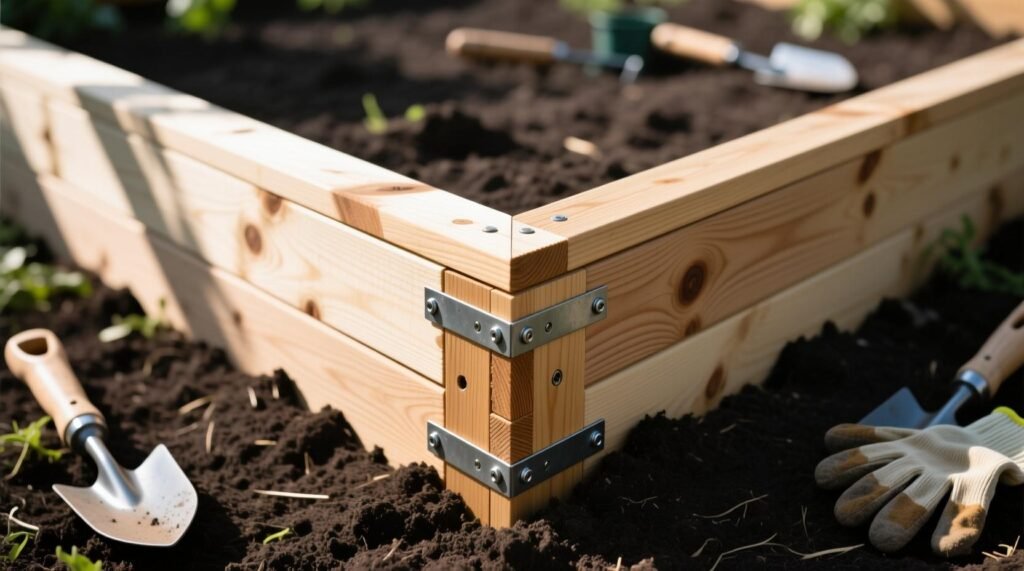
The lifespan of a wooden raised garden bed varies considerably depending on wood species, board thickness, climate, drainage, construction quality, and maintenance.
Untreated softwood beds may need repairs sooner than naturally decay-resistant cedar or redwood structures.
Even durable wood will eventually deteriorate when exposed to soil and outdoor weather.
Regular inspections and timely board replacement can help keep a wooden raised bed functional for many growing seasons.
Extending the life of a wooden raised garden bed does not require complicated maintenance.
Start with durable materials, manage excess moisture, protect exposed surfaces appropriately, and inspect the structure regularly.
Small improvements, such as clearing drainage areas, tightening loose fasteners, and replacing damaged boards, can make a meaningful difference over time.
With thoughtful care, wooden raised beds can remain attractive and productive parts of your garden for years.