Newsletter Subscribe
Enter your email address below and subscribe to our newsletter


Raised Bed Gardening Made Simple
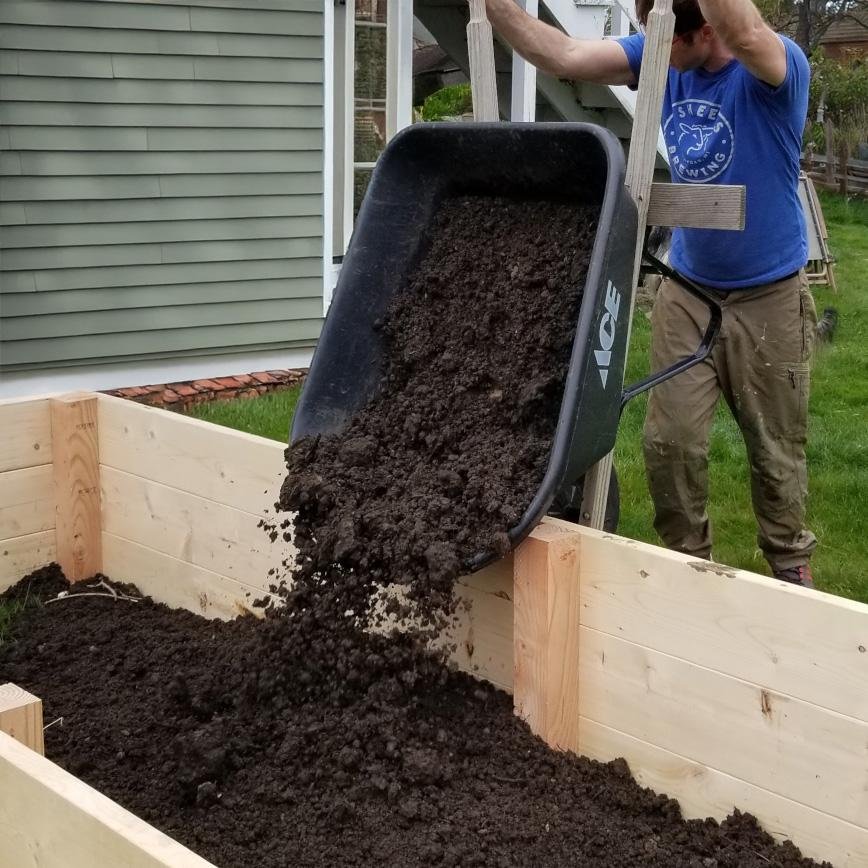
If water pools on the surface of your raised bed, seedlings struggle to push roots down, and a shovel feels more like a crowbar, you are almost certainly dealing with compacted soil. The good news: raised beds are the easiest garden scenario to fix because you control everything inside the frame. Here is how to diagnose, repair, and permanently prevent compaction.
Why Soil Compacts in Raised Beds
Even perfectly loose soil settles over time. Gravity, rain impact, foot traffic, and the natural breakdown of organic matter all shrink the air pockets that roots depend on. Beds filled mostly with topsoil — instead of a fluffy compost blend — can compact within a single season. Wet soil that is walked on compacts nearly twice as fast, which is why the first rule of raised-bed care is never step on the soil.
Work the bed when it is moist but not soggy. Push a garden fork 8–10 inches deep, lean back gently to crack the soil, and repeat across the whole bed. Do not flip or invert the soil — you want to fracture it while keeping the beneficial layers and microbes intact.
Spread 2–3 inches of finished compost or well-rotted manure over the loosened surface and fork it into the top 6 inches. Organic matter is the single most effective long-term compaction cure: it feeds earthworms and microbes, whose tunnels and castings keep soil naturally friable.
Top the bed back up to 1–2 inches below the frame rim with fresh bed mix, then apply a 2-inch mulch layer (straw, shredded leaves, or wood chips). Mulch absorbs raindrop impact — a major compaction driver — and keeps the surface from crusting.
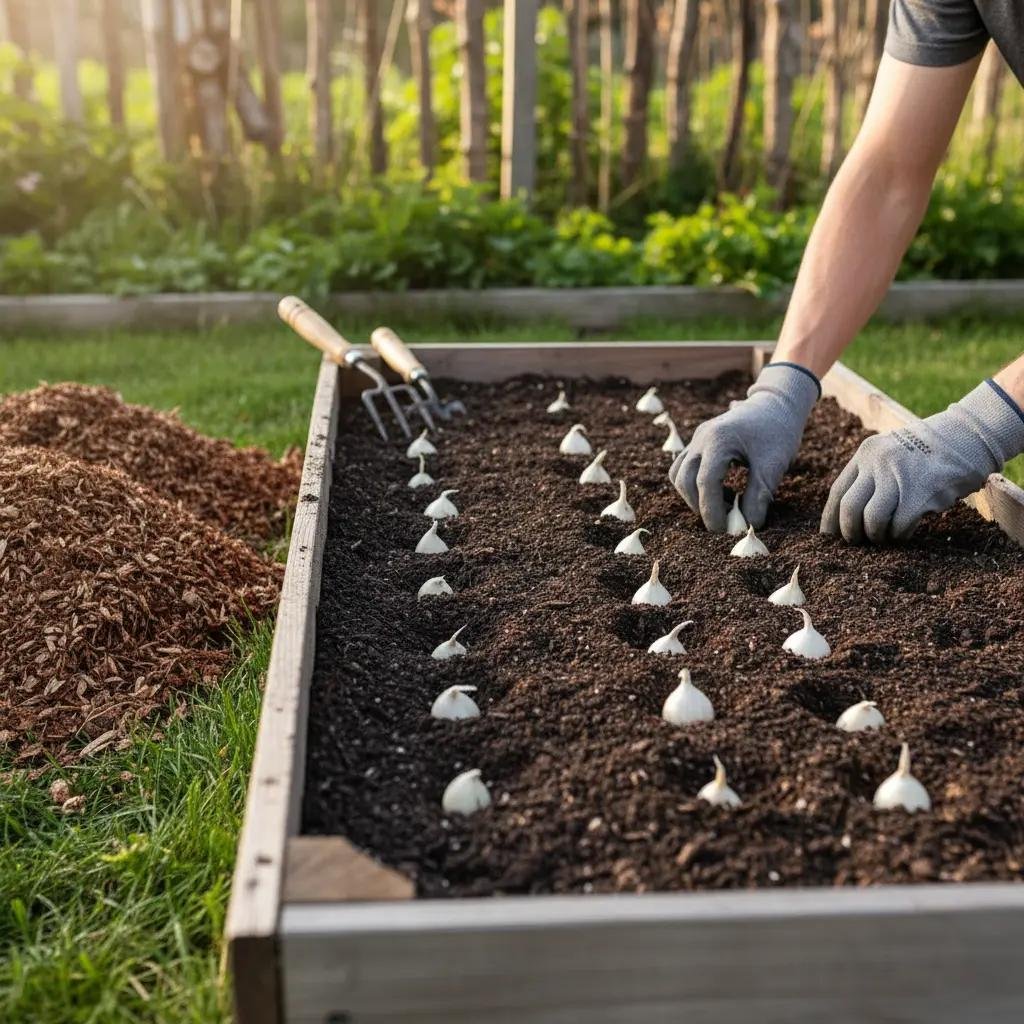
In the off-season, sow daikon radish, winter rye, or hairy vetch. Their roots bore natural channels deep into the bed, and when they die back they leave behind air passages and organic residue. This is often called “biological tilling,” and it costs almost nothing.
🔗 Link Placement 1 — inline, after the cover crop paragraph: Best anchor: “beginner-friendly cover crop mixes for raised beds” → link to your product round-up or affiliate page,
Different situations call for different tools. Use this quick comparison to choose the right approach for your bed:
| Tool / Method | Best For | Depth Reached | Effort | Cost |
|---|---|---|---|---|
| Garden fork (manual loosening) | Mild compaction, small beds | 8–10 in | Medium | $ |
| Broadfork | Deep loosening without soil inversion | 12–16 in | Medium–High | $$ |
| Compost amendment (2–3 in) | Long-term structure rebuild | Top 6 in | Low | $–$$ |
| Deep-rooted cover crops | Off-season repair, prevention | Up to 24 in | Low | $ |
| Garden tiller | Last resort for severely hardened soil | 6–8 in | Low | $$$ |
Table 1: Comparison of common soil aeration methods for raised garden beds.
Tillers create a fast fix but destroy soil structure and can form a hardpan layer just below tilling depth. If you must till, follow immediately with heavy compost and mulch, and avoid tilling again in future seasons.
🔗 Link Placement 2 — inline, within the prevention list: Best anchor: “quality compost for raised beds” or “how to make your own compost at home” → link to your composting guide,
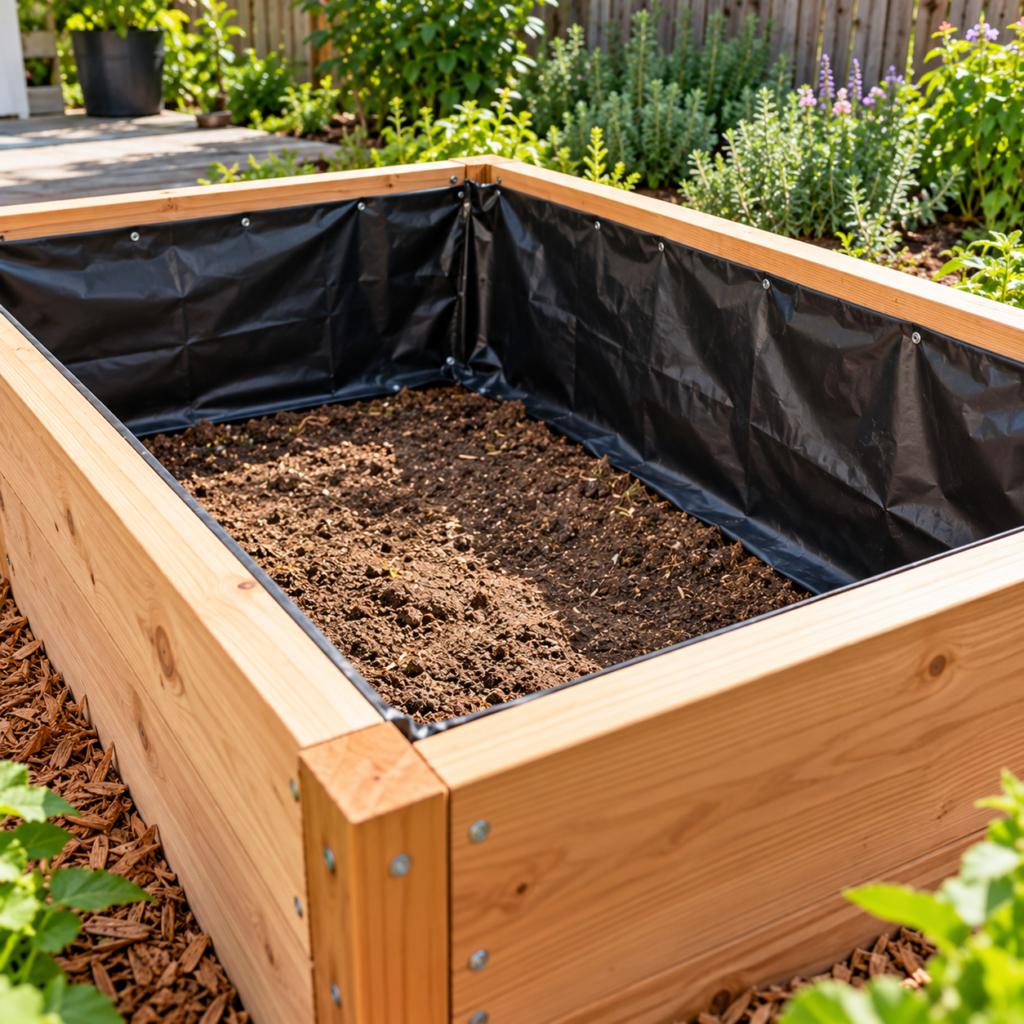
If your bed drains poorly even after loosening and amending, the original fill mix may be the problem — for example, pure topsoil or soil containing heavy clay. In that case, remove the top 12 inches, fork the base to break any packed layer, and refill with a proven blend: roughly 50% topsoil, 30% compost, 20% aeration material such as coarse sand, perlite, or rice hulls.
Link Placement 3 — inline, after the rebuild section: Best anchor: “best soil mix recipe for raised garden beds” → link to your detailed soil-mix tutorial or recommended product list,
Compacted soil is not a death sentence for a raised bed — it is a maintenance signal. Loosen with a fork, feed with compost, mulch, and let cover crops and earthworms do the deep work. Within one growing season you will notice the difference: water soaks in instead of pooling, roots run deep, and your fork slides in with almost no resistance. Healthy, fluffy soil is the foundation of every productive raised bed.