Newsletter Subscribe
Enter your email address below and subscribe to our newsletter


Raised Bed Gardening Made Simple
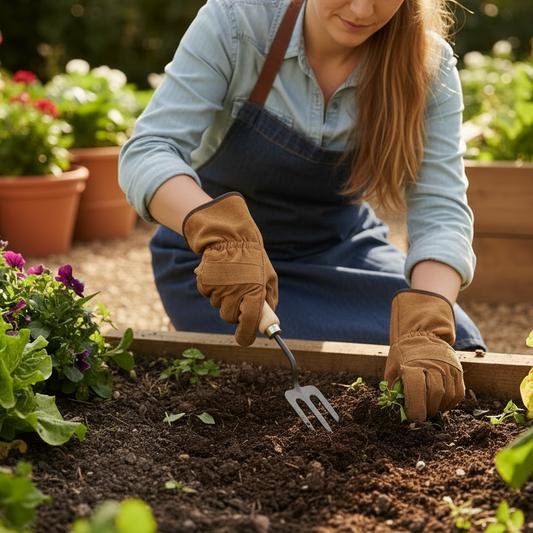
Soil compaction happens when soil particles are pressed closely together, reducing the air spaces that allow water, oxygen, and roots to move freely.
Fortunately, preventing soil compaction in raised garden beds is relatively simple. With the right soil mixture, watering habits, and seasonal maintenance, you can maintain loose, productive soil throughout the growing season.
Several factors can cause raised bed soil to become dense and compacted.
Walking or standing on the soil is one of the most common causes. Even occasional pressure can compress the soil structure and reduce pore space.
Excessive watering can also contribute to poor soil conditions, especially when the growing medium contains a high proportion of fine particles and drains slowly.
Heavy rainfall may cause exposed soil surfaces to crust, making it difficult for seedlings to emerge.
Another common issue is using garden soil without enough organic matter. Dense clay-rich soil can become particularly difficult to manage inside raised beds.
Understanding these causes makes it easier to prevent compaction before it affects plant growth.
A well-structured growing medium is essential for maintaining healthy raised garden beds.
Good raised bed soil should balance moisture retention, drainage, and air circulation.
A mixture containing quality topsoil and mature compost often provides a useful starting point. Depending on the original soil texture, additional amendments may improve drainage and structure.
Compost supports soil organisms and helps encourage stable soil aggregates, allowing roots to grow more easily.
Avoid filling raised beds entirely with dense native clay soil or very fine materials that settle heavily after watering.
For more guidance on choosing suitable growing media, read Best Soil for Raised Garden Beds.
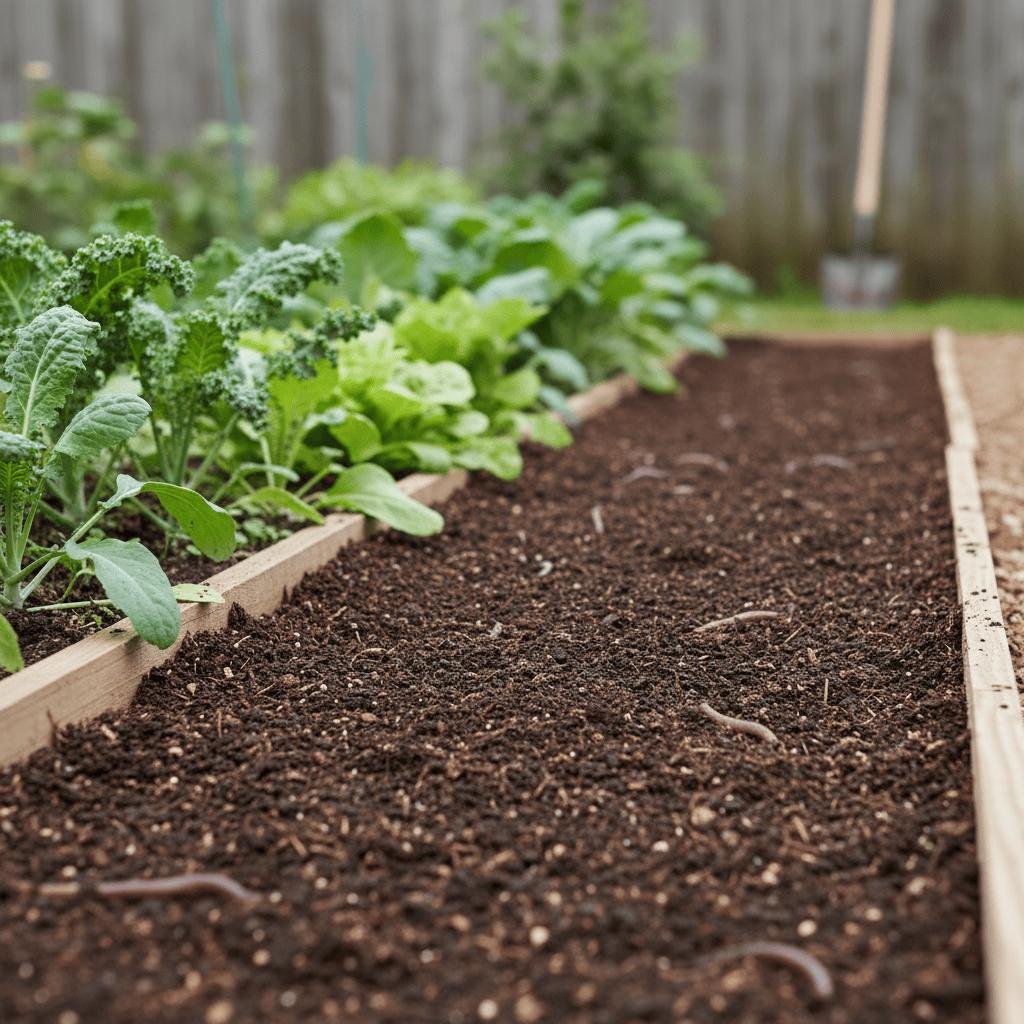
One major benefit of raised garden beds is that gardeners can access plants without stepping directly onto the growing area.
Walking on soil compresses its structure, especially when the ground is wet.
Design your beds so you can comfortably reach the center from either side.
For most gardeners, a bed approximately 3–4 feet wide provides convenient access, although the ideal width depends on individual reach and whether the bed is accessible from both sides.
Use dedicated pathways between beds and avoid placing heavy equipment directly on the soil surface.
These simple habits help preserve the loose structure that makes raised beds productive.
Different gardening practices help prevent compaction in different ways.
| Method | Main Benefit | Best Time to Apply |
|---|---|---|
| Add mature compost | Supports soil structure and biological activity | Before planting and between crops |
| Avoid stepping on soil | Prevents direct pressure and compression | Throughout the year |
| Apply organic mulch | Reduces surface crusting and protects soil | During the growing season |
| Improve drainage | Reduces prolonged waterlogging | Before planting or when problems appear |
| Grow cover crops | Supports soil structure through root growth | Between growing seasons |
| Use gentle watering | Limits surface disturbance and runoff | During routine watering |
Combining several methods is generally more effective than relying on a single solution.
Water management plays an important role in maintaining good soil structure.
Instead of applying large amounts of water all at once, water gradually so moisture can penetrate the root zone without creating excessive runoff.
Drip irrigation and soaker hoses are useful because they deliver water slowly and directly to the growing area.
Check soil moisture before watering rather than following a rigid daily schedule.
If the soil remains saturated for extended periods, examine drainage conditions and consider whether the growing medium contains too many fine particles.
For practical watering guidance, explore How Often to Water Raised Garden Beds.
Mulching is another effective way to reduce soil compaction problems.
Organic mulch protects exposed soil from the direct impact of heavy rainfall, which can break apart soil aggregates and form a hard surface crust.
Shredded leaves, clean straw, and untreated wood chips can all be useful mulch materials, depending on the crops being grown.
Apply a layer approximately 2–3 inches thick around established plants, keeping mulch away from stems to reduce moisture-related problems.
As organic materials gradually decompose, they can also contribute to long-term soil health.
Learn more in our guide How to Mulch a Raised Garden Bed Properly.
Raised garden bed soil naturally settles over time. However, settling does not always mean harmful compaction.
Before planting a new crop, examine the soil’s texture, drainage, and root growth.
If the surface is crusted, gently loosen the upper few inches with a hand fork, taking care not to damage established roots.
Add mature compost when needed and avoid aggressive digging that unnecessarily disrupts soil organisms and structure.
Cover crops can also help maintain healthy soil between planting seasons.
Their roots create channels through the soil while adding organic material as they decompose.
Compacted soil may show several warning signs:
These symptoms can have other causes, so check moisture, drainage, and soil condition before deciding that compaction is the problem.
Preventing soil compaction in raised garden beds starts with protecting the soil’s natural structure.
Use a balanced soil mixture, avoid stepping on growing areas, water carefully, and maintain an organic mulch layer.
Regular additions of mature compost and thoughtful seasonal maintenance can help keep raised bed soil loose and productive.
By focusing on soil health rather than repeatedly digging or replacing the growing medium, gardeners can create better conditions for strong roots, healthy vegetables, and successful harvests.