Newsletter Subscribe
Enter your email address below and subscribe to our newsletter


Raised Bed Gardening Made Simple
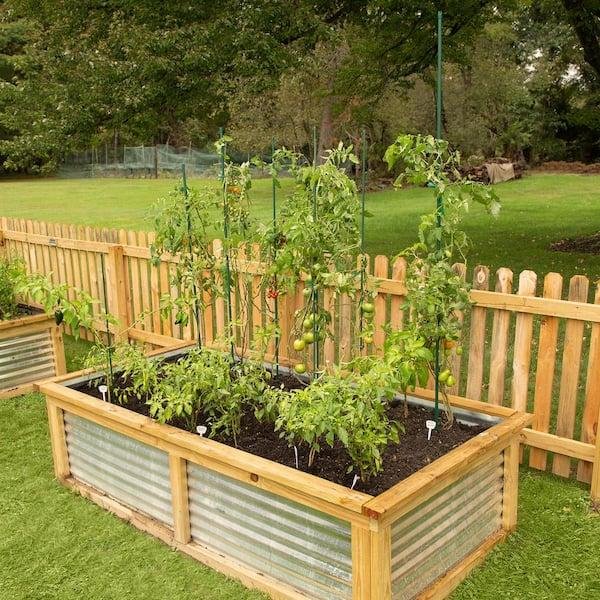
Strong wind can turn a healthy raised bed garden into a stressful environment for vegetables. Tall tomato plants may bend, climbing vines can break away from their supports, and young seedlings may become damaged before their roots are fully established.
Wind also increases moisture loss from leaves and exposed soil. Even when plants remain standing, prolonged windy conditions can affect their growth.
Fortunately, protecting raised garden beds from strong wind doesn’t always require expensive structures. A few practical changes can reduce damage while keeping your vegetable garden healthy and accessible.
Here’s how to prepare your raised beds before windy weather arrives.
Raised garden beds are often installed in open backyards where wind can move freely across the growing area.
Unlike established plants growing in sheltered locations, vegetables in exposed raised beds may experience repeated movement and drying conditions.
Strong gusts can damage stems, tear leaves, dislodge mulch, and destabilize plant supports.
Tall vegetables are especially vulnerable because their leaves and branches catch more wind.
Before installing protection, observe where the strongest winds usually come from and identify which beds are most exposed.
A windbreak can reduce the force of wind reaching your vegetables.
Options include slatted wooden fencing, garden mesh, and appropriately positioned shrubs.
A partially permeable barrier is often preferable to a completely solid wall because it allows some airflow while reducing wind speed.
Position the windbreak on the side facing the prevailing wind.
Make sure it doesn’t block essential sunlight or interfere with garden access.
Any freestanding barrier must be securely anchored and suitable for the wind conditions expected in your area.
Tomatoes, cucumbers, pole beans, and other climbing vegetables need reliable support during windy weather.
Inspect stakes, cages, and trellises regularly.
Push stakes firmly into suitable ground or use an appropriate anchoring system.
For tall structures, additional bracing may be necessary.
Secure plants with soft garden ties, leaving enough space for natural stem movement and growth.
Avoid tying stems too tightly, as this can cause injury.
If severe weather is forecast, remove lightweight decorative structures that could become unstable.

Young seedlings have delicate stems and developing root systems, making them particularly sensitive to strong gusts.
Low garden tunnels, suitable mesh covers, or temporary protective screens can help reduce wind exposure.
Secure covers firmly so they don’t flap against the plants.
Check that seedlings receive adequate ventilation and sunlight.
Remove temporary covers when they are no longer needed, particularly if temperatures rise.
For newly transplanted vegetables, temporary protection during the first few days can help reduce stress while roots become established.
Wind can dry exposed soil and scatter lightweight mulch.
A suitable organic mulch layer helps reduce evaporation and protect the soil surface.
Clean straw, shredded leaves, or other appropriate materials can be used around established vegetables.
In exposed locations, heavier or better-interlocking materials may stay in place more effectively than loose straw.
Keep mulch away from plant stems and avoid covering emerging seedlings.
For detailed instructions, read our guide on how to mulch a raised garden bed properly.
| Protection Method | Best For | Main Advantage | Important Consideration |
|---|---|---|---|
| Slatted fencing | Exposed backyard beds | Reduces wind speed | Must be securely anchored |
| Garden windbreak mesh | Open growing areas | Allows partial airflow | Needs strong supports |
| Tomato cages and stakes | Tall vegetables | Reduces stem damage | Check anchors regularly |
| Low garden tunnels | Young seedlings | Provides temporary shelter | Secure covers and ventilate |
| Organic mulch | Exposed soil | Reduces moisture loss | Prevent material from blowing away |
| Sheltered bed placement | New garden installations | Provides lasting protection | Maintain adequate sunlight |
The best solution depends on your garden’s location, the vegetables you grow, and the severity of local wind conditions.
Wind can increase water loss from both plants and soil.
During prolonged windy periods, check moisture several inches below the soil surface.
Water when the root zone begins to dry rather than following a fixed daily schedule.
Drip irrigation or soaker hoses can deliver moisture without spraying water into the wind.
Avoid excessive watering, since saturated soil can create additional root problems.
Healthy moisture management helps plants tolerate environmental stress more effectively.
Strong winds can also affect lightweight raised bed structures, especially elevated planters and beds with attached trellises.
Check wooden frames for loose fasteners, damaged corners, and unstable supports.
For metal raised beds, inspect bolts and connecting panels.
Repair loose components before severe weather arrives.
Avoid attaching large solid panels to lightweight bed frames unless the structure is designed to withstand the additional wind load.

After windy weather, inspect vegetables for broken stems, damaged leaves, and displaced supports.
Remove severely damaged plant material when appropriate, using clean pruning tools.
Reposition fallen plants carefully and secure them without forcing bent stems into unnatural positions.
Replace scattered mulch and check whether the soil has dried excessively.
If wind arrives with heavy rainfall, our guide on how to protect raised garden beds from heavy rain explains additional steps for managing water damage and erosion.
If strong winds frequently affect your backyard, consider permanent improvements.
You might relocate future raised beds to a more sheltered position or install a properly designed windbreak.
Choose locations that balance protection with sunlight, drainage, and accessibility.
Avoid placing vegetable beds in deep shade simply to escape the wind.
A successful garden layout should support healthy growing conditions throughout the season.
Protecting raised garden beds from strong wind starts with understanding your garden’s exposure.
Secure plant supports, protect vulnerable seedlings, maintain suitable soil moisture, and use windbreaks where appropriate.
Inspect beds after severe weather and make improvements based on the damage you observe.
With thoughtful preparation, raised bed vegetables can remain healthier and more productive through windy growing conditions.
For more practical advice on seasonal protection, watering, soil care, and vegetable garden maintenance, explore our Garden Care guides.