Newsletter Subscribe
Enter your email address below and subscribe to our newsletter


Raised Bed Gardening Made Simple
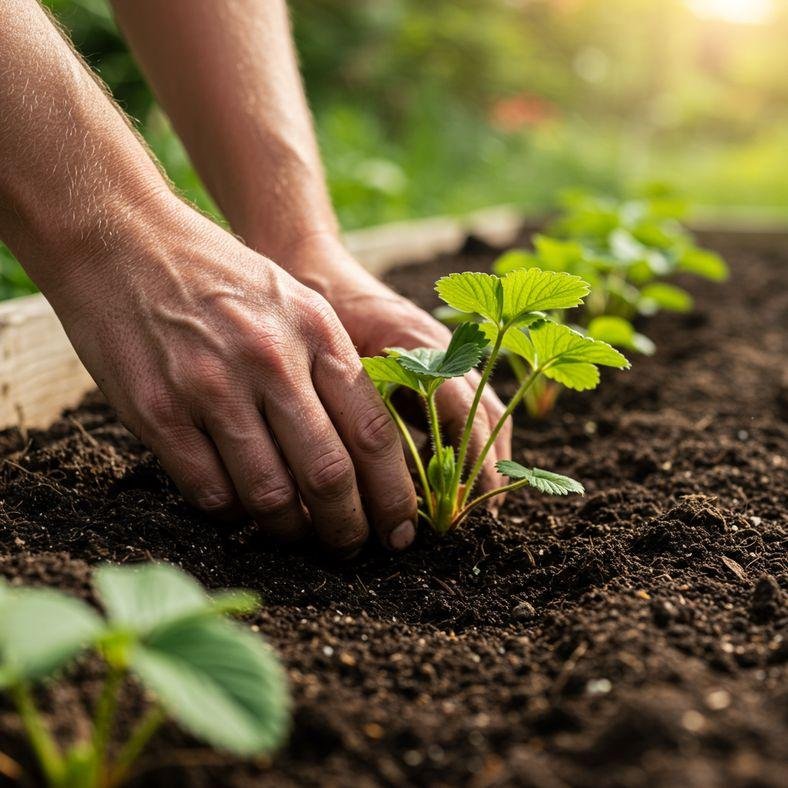
Growing strawberries in raised garden beds is a rewarding way to enjoy fresh, homegrown fruit. Raised beds provide a defined planting area, allow better control over soil conditions, and make it easier to manage weeds, watering, and harvesting.
Strawberries are relatively compact plants, making them suitable for small backyards and dedicated fruit beds. However, successful growing depends on choosing the right varieties, planting at the correct depth, and maintaining consistent moisture.
Here’s how to grow healthy strawberry plants in a raised garden bed, from soil preparation to harvesting ripe berries.
Before planting, decide what kind of harvest you want.
June-bearing strawberries produce one main harvest over a relatively short period, usually in late spring or early summer, depending on your climate.
Day-neutral strawberries can produce fruit over an extended season when temperatures are favorable.
Everbearing strawberries generally produce two main harvest periods, although performance varies by cultivar and growing conditions.
For a compact raised bed, day-neutral varieties can be particularly convenient because they typically produce fewer runners and are easier to manage as individual plants.
Strawberries grow best in locations receiving at least six to eight hours of direct sunlight daily.
Select a raised bed away from heavy shade caused by trees, fences, or buildings.
Good air circulation is also important because crowded, damp foliage can increase the risk of certain diseases.
Avoid planting strawberries in a bed with a recent history of serious soilborne disease problems.
If your backyard receives intense summer heat, consider how afternoon temperatures may affect flowering and fruit quality.
Strawberries prefer fertile, well-drained soil that retains moisture without remaining waterlogged.
A slightly acidic soil pH, commonly around 5.5–6.5, is suitable for many varieties.
Before planting, remove weeds and incorporate mature compost where soil conditions justify it.
Avoid adding excessive fertilizer or unfinished organic materials.
A soil test can help determine whether pH adjustment or additional nutrients are necessary.
For more information about soil preparation, explore our guide on best soil for raised garden beds.
Plant spacing depends on the strawberry type and growing system.
Day-neutral strawberries are commonly grown in closely managed rows with runners removed.
June-bearing strawberries may require more space when runners are allowed to develop into new plants.
Avoid overcrowding, which can restrict airflow and make harvesting difficult.
| Strawberry Type | Harvest Pattern | Typical Planting Approach | Best For |
|---|---|---|---|
| June-bearing | One main seasonal crop | Wider spacing with runners allowed | Larger seasonal harvests |
| Day-neutral | Repeated fruiting in suitable weather | Approximately 8–12 inches apart in managed raised beds | Extended harvests |
| Everbearing | Often two main harvest periods | Individual plants with runner management | Home gardeners wanting multiple harvests |
Spacing varies by cultivar and planting system. Follow the nursery’s recommendations when available.
Proper planting depth is essential.
Dig a hole large enough to accommodate the roots without bending them sharply upward.
Position the strawberry crown—the point where the leaves meet the roots—at approximately soil level.
Burying the crown too deeply can encourage rot, while planting too shallowly can expose roots to drying.
Gently firm the soil around the roots and water immediately after planting.
For bare-root plants, keep roots moist before planting and avoid leaving them exposed to direct sunlight for extended periods.
Strawberries need consistent moisture, especially during establishment, flowering, and fruit development.
Raised beds can dry out relatively quickly during warm or windy weather.
Check moisture beneath the soil surface rather than watering automatically every day.
Water thoroughly when needed, allowing excess moisture to drain.
Drip irrigation or soaker hoses can help keep foliage and developing berries drier than frequent overhead watering.
Avoid waterlogged conditions, which can damage roots.
Mulch is especially useful when growing strawberries because developing fruit may rest close to the soil.
Clean straw or another suitable mulch can help keep berries cleaner, reduce weed growth, and conserve moisture.
Apply a loose layer around established plants while keeping the crowns uncovered.
Check mulch regularly and replace material that becomes excessively compacted or contaminated.
For practical mulching techniques, read our guide on how to mulch a raised garden bed properly.
Strawberry plants produce runners that develop into daughter plants.
Whether you remove runners depends on the planting system.
For day-neutral strawberries grown for fruit production, runners are commonly removed to direct more energy toward the original plants.
For June-bearing strawberries in a matted-row system, selected runners are allowed to root and establish future productive plants.
Newly planted strawberries may also benefit from temporary flower removal during establishment.
Follow guidance for your particular strawberry type rather than treating every variety identically.
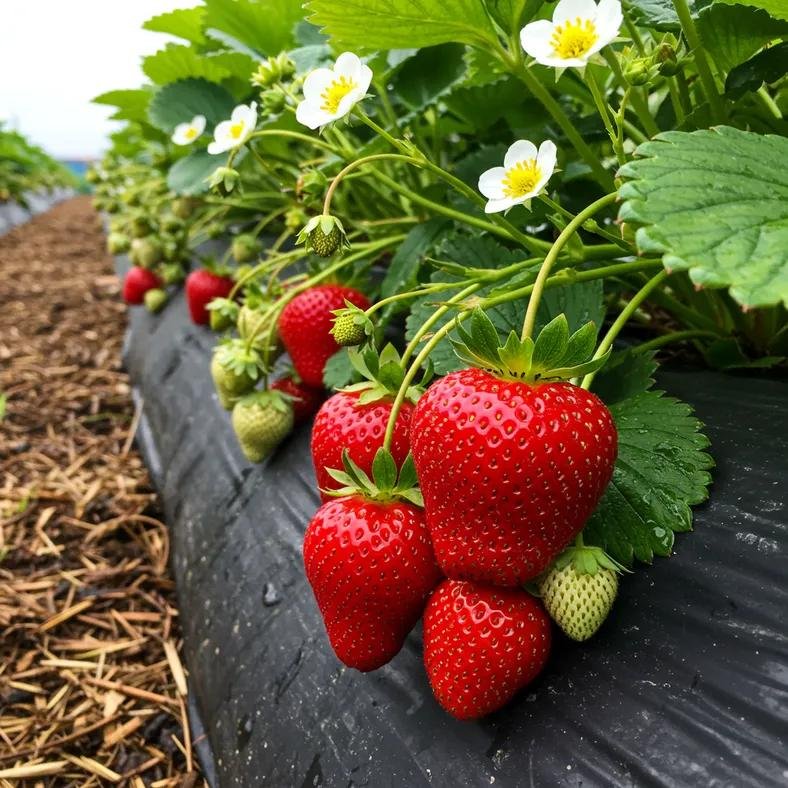
Common strawberry problems include slugs, birds, gray mold, and certain root diseases.
Inspect plants regularly for damaged fruit, unusual leaf spots, or wilting.
Remove rotten berries promptly and avoid leaving overcrowded foliage around developing fruit.
Bird netting may help protect ripening berries when installed securely and checked frequently to prevent wildlife entanglement.
Maintain appropriate plant spacing and avoid unnecessary overhead watering.
Strawberries generally develop their best flavor when allowed to ripen fully on the plant.
Harvest berries when they have reached the appropriate ripe color for their variety.
Pick gently, keeping a short piece of stem attached when practical.
Check plants frequently during peak production because ripe strawberries can deteriorate quickly.
Refrigerate harvested berries promptly and wash them shortly before eating.
Growing strawberries in raised garden beds is a practical option for gardeners who want fresh fruit in a manageable space.
Choose suitable varieties, provide adequate sunlight, prepare well-draining soil, and plant crowns at the correct depth.
Maintain consistent moisture, manage runners according to the strawberry type, and harvest ripe berries regularly.
For more vegetable and fruit growing advice, planting techniques, and seasonal gardening tips, explore our Growing Guides.