Newsletter Subscribe
Enter your email address below and subscribe to our newsletter


Raised Bed Gardening Made Simple
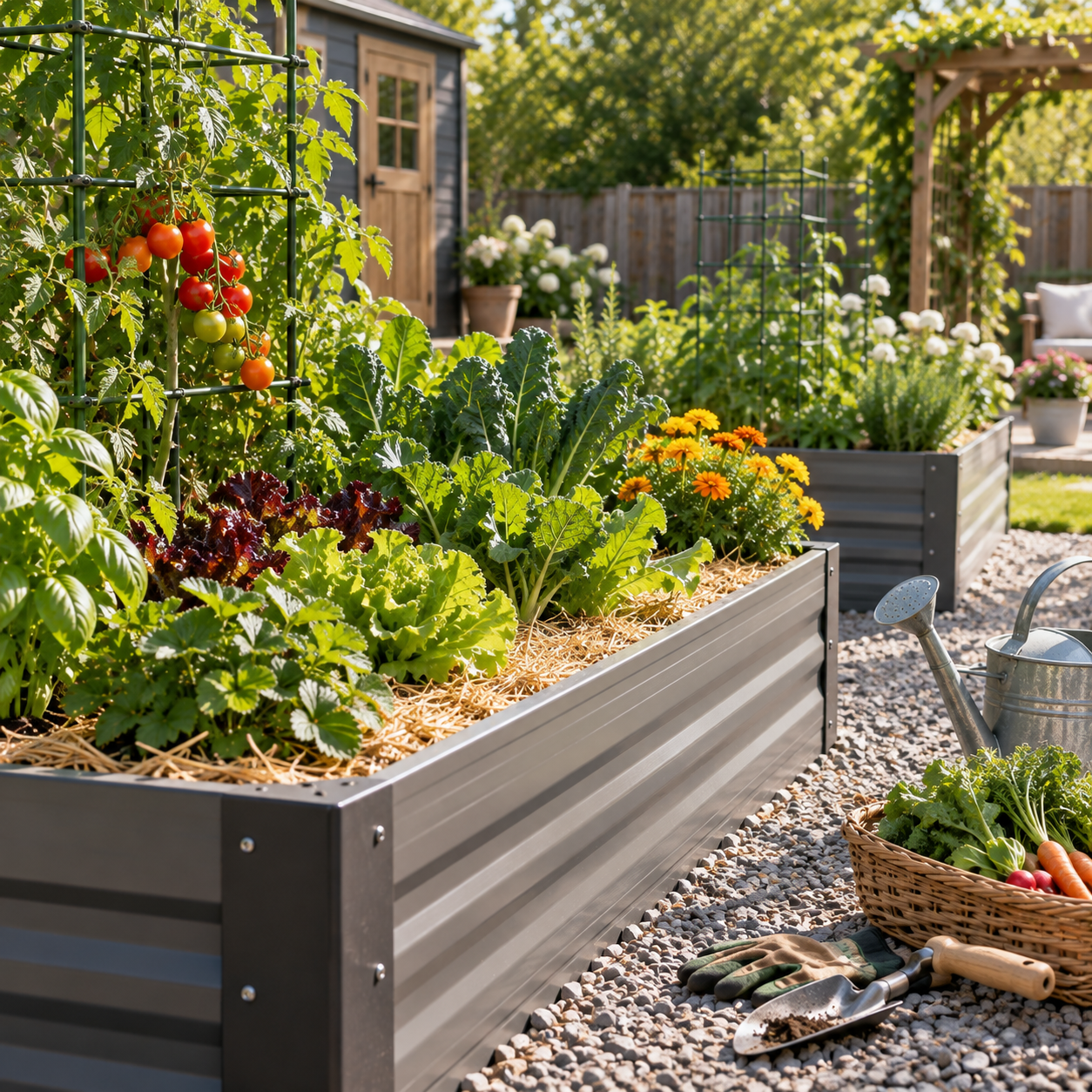
Raised garden beds are generally easier to keep weed-free than traditional in-ground gardens, but weeds can still become a problem. Seeds can blow in with the wind, arrive in compost or garden soil, spread from nearby plants, or grow up from the ground beneath a newly installed bed.
The best approach is not to wait until weeds take over. A combination of good preparation, mulch, proper planting, and regular maintenance can dramatically reduce the amount of weeding you need to do throughout the growing season.
Here are eight practical ways to protect raised garden beds from weeds.
Weed prevention starts before the raised bed is filled.
If you are placing a new bed over grass or an existing garden area, remove large weeds and aggressive perennial plants first. Pay particular attention to weeds that spread through underground roots or rhizomes, because simply covering them with soil may not stop them.
You do not necessarily need to remove every blade of grass. For many new beds, mowing the area short and covering it with cardboard can help suppress existing vegetation.
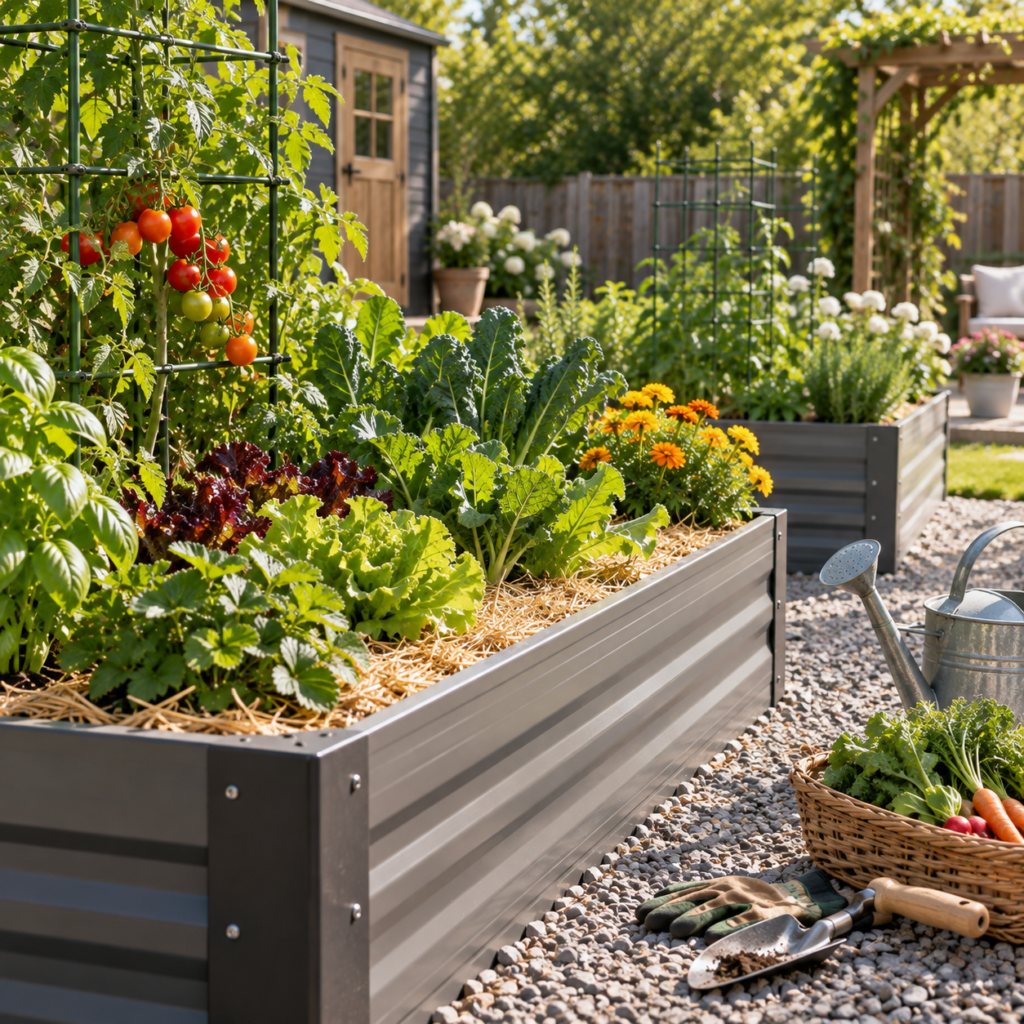
For raised beds installed directly over soil or lawn, plain cardboard can provide a temporary weed barrier.
Remove tape, labels, staples, and heavily printed or glossy material before using it. Overlap the cardboard sheets so there are no large gaps, then place your raised bed and growing medium on top.
Cardboard eventually decomposes, which is usually an advantage in a vegetable garden because plant roots can eventually reach the soil below.
Avoid placing an impermeable plastic sheet underneath a raised bed. It can interfere with drainage and may create waterlogged conditions.
Not every weed grows from underneath the bed. In many cases, weed seeds are introduced with the soil itself.
When filling a raised bed, use soil and compost from reliable sources. Poorly processed compost can contain viable weed seeds, while reused garden soil may contain roots from perennial weeds.
Inspect bulk soil before filling the bed and avoid material that contains obvious weeds, roots, or large amounts of undecomposed plant debris.
Starting with cleaner soil will not eliminate every weed, but it can significantly reduce the problem.
Mulching is one of the most useful weed-control methods for established raised beds.
Weed seeds generally need suitable moisture, temperature, and light to germinate. Covering the soil surface makes conditions less favorable for many weeds while also helping the soil retain moisture.
Common organic mulch options include:
A layer approximately 2–3 inches (5–7.5 cm) deep works well in many vegetable beds.
Keep mulch slightly away from young plant stems to reduce excess moisture around the base of the plants.
Large open areas between vegetables give weeds room to grow.
Follow the recommended spacing for your crops, but use the available growing space efficiently. Once vegetables mature, their leaves can shade parts of the soil and reduce opportunities for weed seedlings.
Smaller crops can sometimes be planted between larger plants. For example, leafy greens may fit around taller vegetables when their growing requirements are compatible.
The goal is not to overcrowd the bed. Healthy airflow and appropriate plant spacing are still important.
Even a well-prepared raised bed will occasionally develop weeds.
The easiest time to remove them is when they are young.
Check the soil whenever you water, harvest, or inspect your plants. Small weeds can usually be pulled quickly without disturbing vegetable roots.
After rain or watering, the soil is often softer, making weeds with deeper roots easier to remove.
For perennial weeds, try to remove as much of the root system as possible. Breaking off only the visible growth may allow the plant to return.
Protecting the inside of the bed is only part of the job.
Weeds growing along pathways, fences, lawn edges, or beside the raised bed can eventually produce seeds that spread into your growing area.
Maintain the surrounding area by mowing, mulching pathways, hand-pulling weeds, or using gravel or wood chips where appropriate.
Keeping the area around your raised beds tidy can reduce the number of new weed seeds entering the soil.
A single mature weed can potentially create many more weeds later.
If you cannot remove every weed immediately, prioritize plants that are beginning to flower or produce seed heads. Remove them before the seeds mature and spread.
This is especially important toward the end of the growing season, when gardeners sometimes become less attentive to weed control.
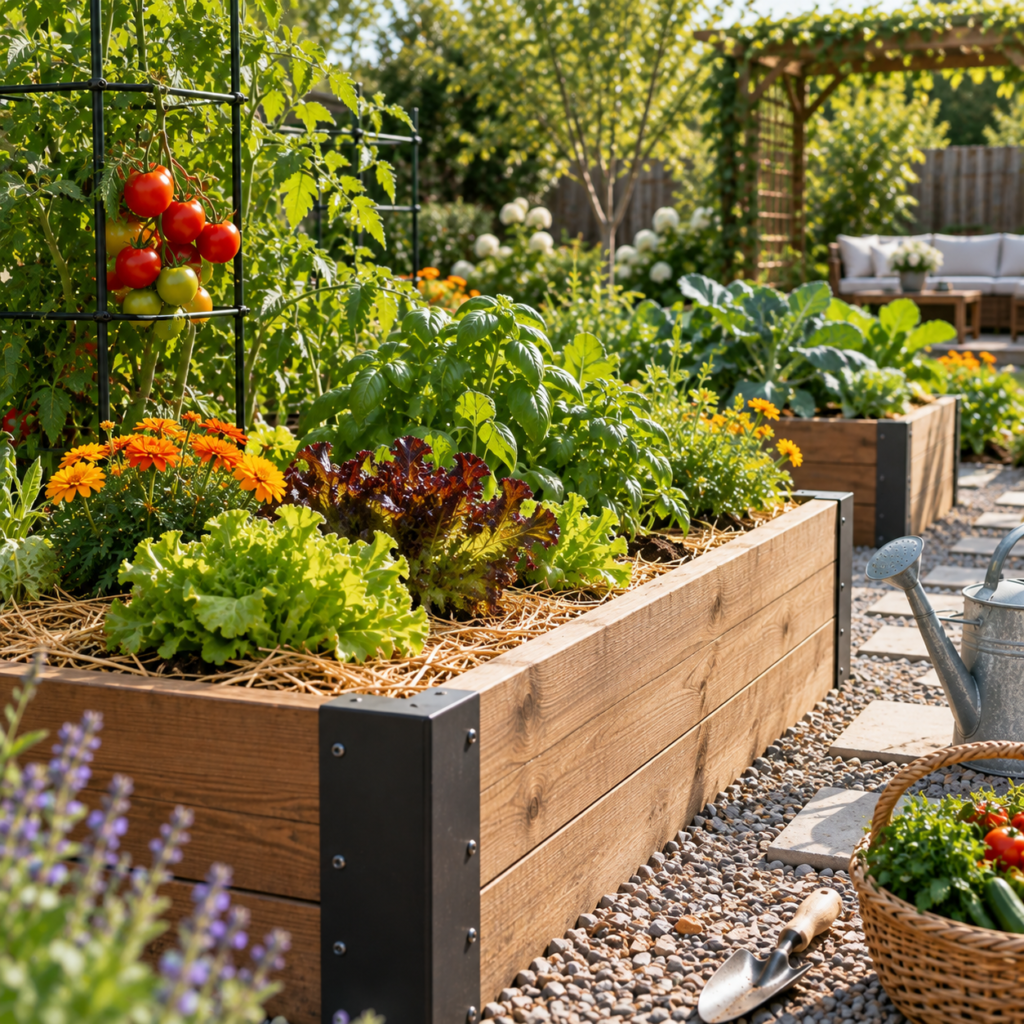
| Method | Best For | Main Advantage | Maintenance |
|---|---|---|---|
| Cardboard | New raised beds | Suppresses existing grass and weeds | Low |
| Organic mulch | Established beds | Reduces germination and retains moisture | Replenish periodically |
| Clean soil | New or refreshed beds | Reduces introduced weed seeds | Low |
| Hand weeding | Small weeds | Precise and inexpensive | Regular |
| Efficient planting | Growing season | Reduces exposed soil | Seasonal |
| Pathway mulch | Around raised beds | Reduces nearby weed pressure | Periodic |
Landscape fabric can be useful around raised beds and underneath garden pathways, but it is not always necessary inside the growing area.
Permanent fabric can make future soil improvement, digging, and deep planting more difficult. It may also become tangled with roots over time.
For many home vegetable gardens, cardboard beneath a new bed combined with organic mulch on top of the soil provides a simpler and more flexible approach.
Keeping weeds out of raised garden beds is much easier when you focus on prevention rather than trying to eliminate a large infestation later.
Prepare the ground properly, use clean soil, cover exposed soil with mulch, plant efficiently, and remove young weeds before they mature. Don’t forget the surrounding pathways and garden edges, since weeds outside the bed can become a continuing source of new seeds.
A raised bed does not need to be perfectly weed-free. Consistent, light maintenance is usually enough to prevent weeds from competing seriously with your vegetables.