Newsletter Subscribe
Enter your email address below and subscribe to our newsletter


Raised Bed Gardening Made Simple
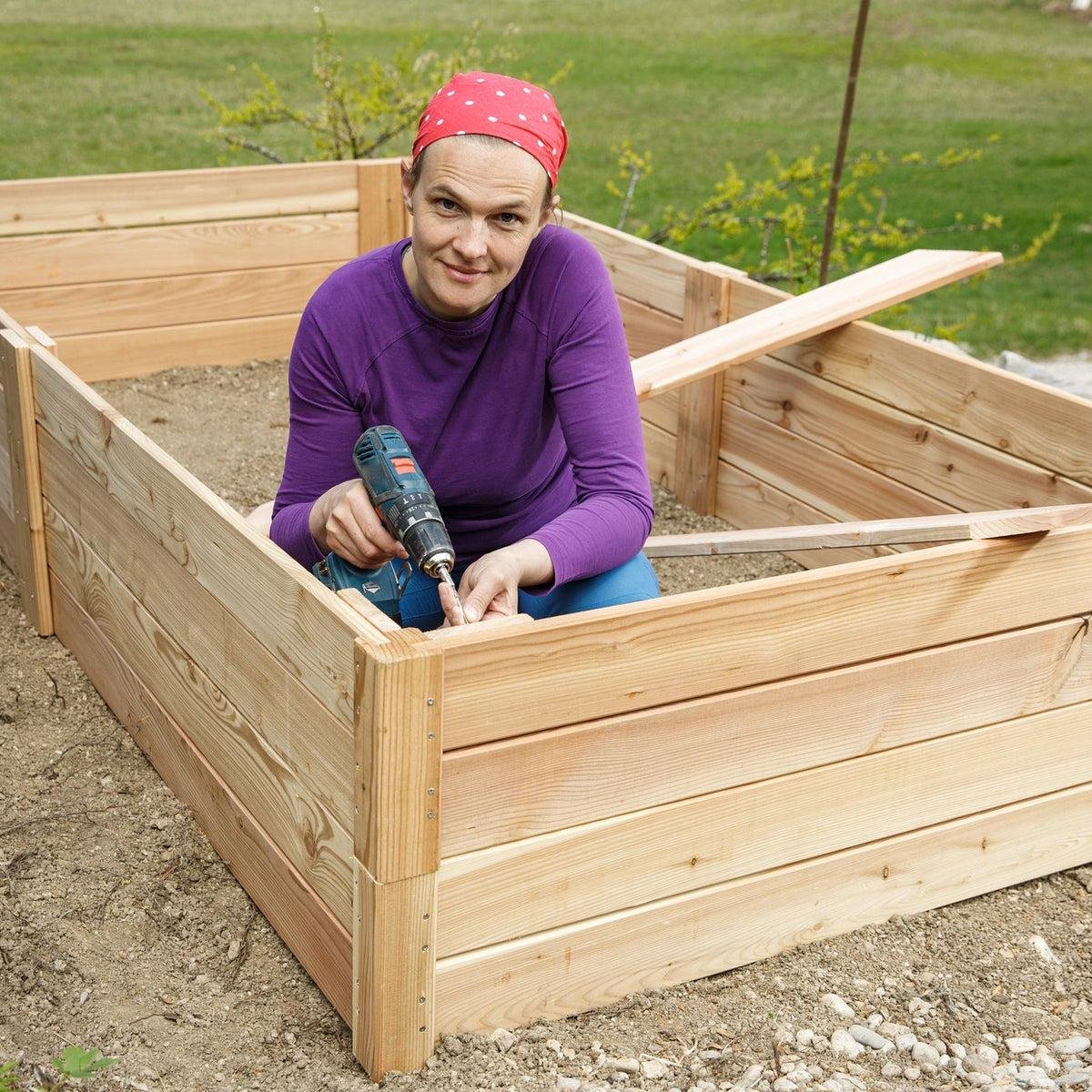
Starting a raised bed vegetable garden doesn’t have to be expensive, but choosing between a ready-made kit and building your own can make a noticeable difference to your budget.
A DIY raised bed may seem cheaper because you’re buying lumber and hardware separately. However, tools, wasted materials, and construction time can quickly reduce those savings. On the other hand, a garden bed kit offers convenience, but some premium models cost considerably more than a simple homemade frame.
So, which option actually saves more money?
The answer depends on the size of your garden, the materials you choose, and what equipment you already own.
A raised garden bed kit includes prefabricated components designed to be assembled into a planting structure.
Most kits contain panels, corner connectors, and the necessary fasteners. Some use galvanized steel, while others feature wood, composite materials, or recycled plastic.
Because the components are already measured and cut, assembly is usually straightforward.
However, most kits don’t include growing soil, compost, plants, or irrigation equipment.
Check exactly what’s included before comparing prices.
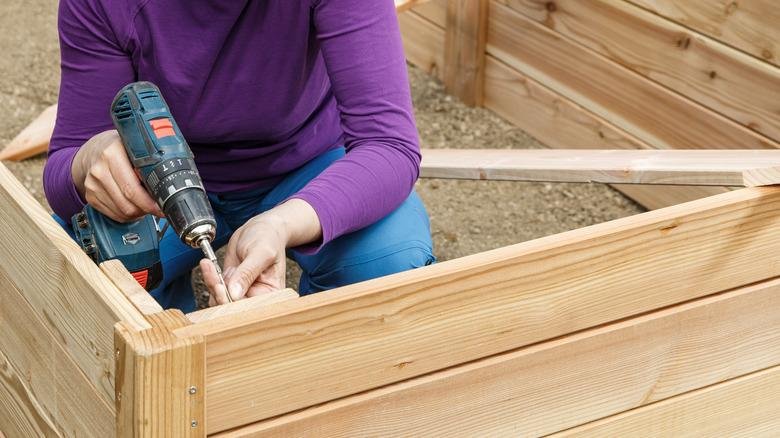
Building a raised bed yourself gives you control over its dimensions, materials, and appearance.
A basic wooden frame usually requires lumber, exterior screws, measuring tools, and a drill.
Depending on the design, you may also need a saw, corner posts, or reinforcement brackets.
DIY construction can be economical when you already own tools and can purchase suitable lumber at competitive prices.
However, beginners should account for cutting mistakes, transportation, and the time required to complete the project.
For a fair comparison, use the same bed dimensions and similar material quality.
A small, untreated pine DIY frame may cost less than a premium cedar kit, but those products are not equivalent in durability.
Likewise, a lightweight metal kit shouldn’t be compared directly with a thick, reinforced wooden frame without considering expected service life.
The following table illustrates possible U.S. budgets for a 4 × 8-foot bed approximately 12 inches deep.
| Expense | DIY Wooden Bed | Ready-Made Kit |
|---|---|---|
| Frame materials or kit | $60–$180 | $100–$300 |
| Additional hardware | $10–$25 | $0–$20 |
| New tools, if needed | $0–$150 | $0–$30 |
| Growing soil | $80–$200 | $80–$200 |
| Estimated total | $150–$555 | $180–$550 |
| Assembly effort | Moderate | Usually lower |
These are illustrative planning ranges, not live retailer quotations. They exclude delivery, plants, and paid labor. Actual prices vary by location and material.
Soil is an expense both options share.
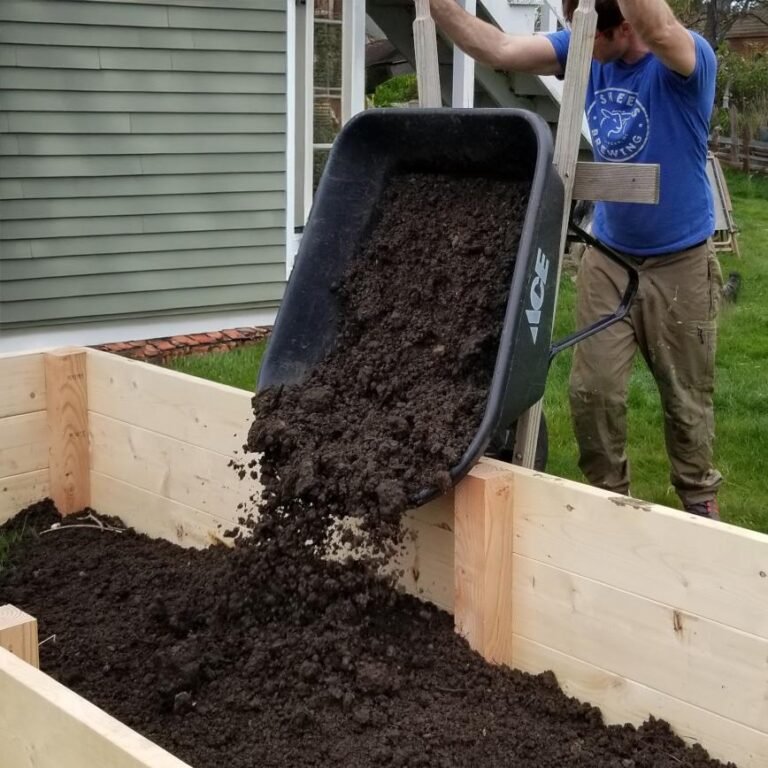
A 4 × 8-foot bed filled to a depth of 12 inches requires approximately 32 cubic feet of growing medium.
That equals about sixteen 2-cubic-foot bags.
For multiple beds, purchasing suitable bulk soil may cost less than buying individual bags, although delivery charges matter.
Calculate soil volume before choosing a design. Taller beds can become expensive to fill even when the frame itself is affordable.
For a complete breakdown of materials and expenses, see our guide on how much it costs to build a raised garden bed.
DIY is often the better financial choice when you already own basic tools, have access to affordable lumber, and want a simple rectangular design.
It also works well when your garden requires unusual dimensions.
For example, a narrow bed beside a fence may be easier to build from standard lumber than to purchase as a specialized kit.
However, if you need to buy several power tools for a single project, the savings may disappear.
Borrowing tools or having lumber cut at the supplier can sometimes reduce expenses.
A ready-made kit may offer better value when convenience is important.
Kits can reduce measuring, cutting, and assembly work. Some modular products also allow gardeners to change the bed’s shape later.
For beginners without woodworking experience, a well-designed kit may prevent costly construction mistakes.
However, compare panel thickness, fasteners, structural reinforcement, shipping costs, and warranty terms.
The cheapest kit isn’t necessarily the best long-term purchase.
Initial cost is only part of the decision.
Untreated pine may need replacement sooner than naturally decay-resistant cedar. Metal beds require inspection for corrosion and loose connections.
Composite products may offer low maintenance but vary in structural strength and outdoor durability.
A more expensive frame can sometimes offer better value if it remains usable for many years.
Before deciding, compare the material options in our guide on metal vs wood raised garden beds.
One useful way to compare options is to divide the total frame cost by its expected service life.
For example, a $120 DIY frame lasting six years has a simple annualized cost of $20.
A $200 kit lasting ten years also works out to $20 per year.
This calculation doesn’t include repairs, inflation, or the value of your time, but it highlights why the lowest purchase price isn’t always the cheapest choice.
Use realistic lifespan estimates based on the specific product and your local conditions.
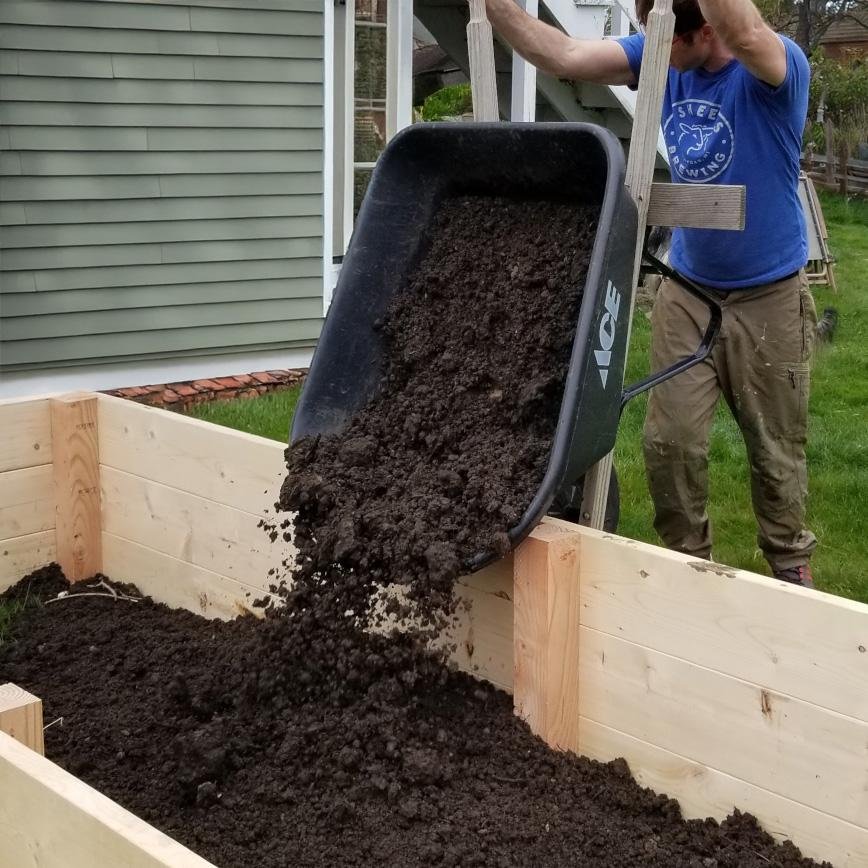
If you’re building your first vegetable garden, start with a manageable bed rather than investing in an elaborate system.
Choose DIY if you enjoy simple construction projects and already have suitable tools.
Choose a kit if you prefer quick assembly and predictable components.
Whichever route you take, prioritize adequate drainage, safe materials, and enough growing space for your vegetables.
Raised garden bed kits and DIY construction can both be affordable.
DIY often saves money when tools and inexpensive materials are already available. Kits can offer better value when convenience, assembly time, and predictable construction matter more.
Compare the complete project cost, not just the frame price.
For more advice on choosing materials, building raised beds, and planning a practical vegetable garden, explore our Raised Beds guides.