Newsletter Subscribe
Enter your email address below and subscribe to our newsletter


Raised Bed Gardening Made Simple
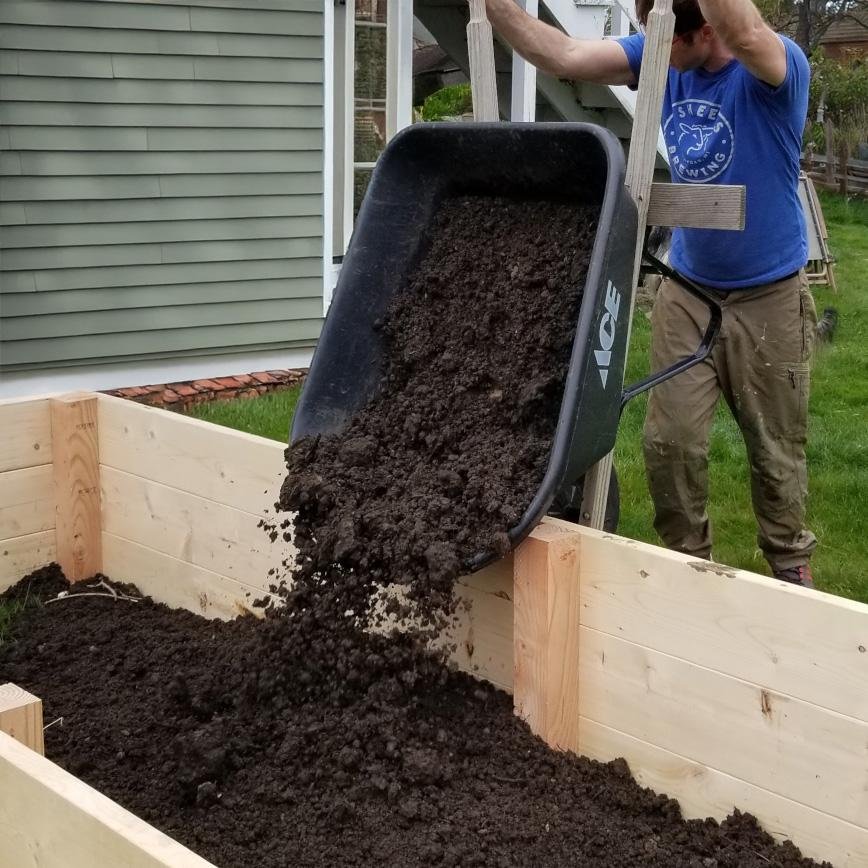
Building a raised garden bed is a practical way to grow vegetables, herbs, and flowers at home. But before buying lumber or ordering soil, most gardeners want to know one thing: how much will the project actually cost?
In 2026, a basic DIY raised garden bed in the United States can cost roughly $100–$300 for construction materials, depending on its size and design. Once soil, plants, and other supplies are included, the total can be considerably higher.
The good news is that you don’t need an expensive setup to start growing vegetables. Understanding where the money goes can help you build a garden that fits your budget.
Several factors determine the final price.
The most important are bed dimensions, construction materials, soil volume, and whether you build the frame yourself.
A small wooden bed may require only a few boards and basic fasteners. A taller cedar bed needs more lumber and considerably more growing soil.
Location also matters. Lumber, compost, delivery, and labor costs vary across the United States.
Before shopping, decide how much growing space you need and whether the bed will be a temporary or permanent garden feature.
Wood is a popular DIY material because it is widely available and relatively easy to cut and assemble.
Untreated pine is generally one of the more affordable options, making it attractive for beginners.
Cedar usually costs more but offers better natural resistance to decay.
For a basic 4 × 8-foot bed, lumber costs can range from around $50 to more than $200 depending on wood species, board thickness, and construction height.
Remember to include exterior screws, corner supports, and other necessary hardware.
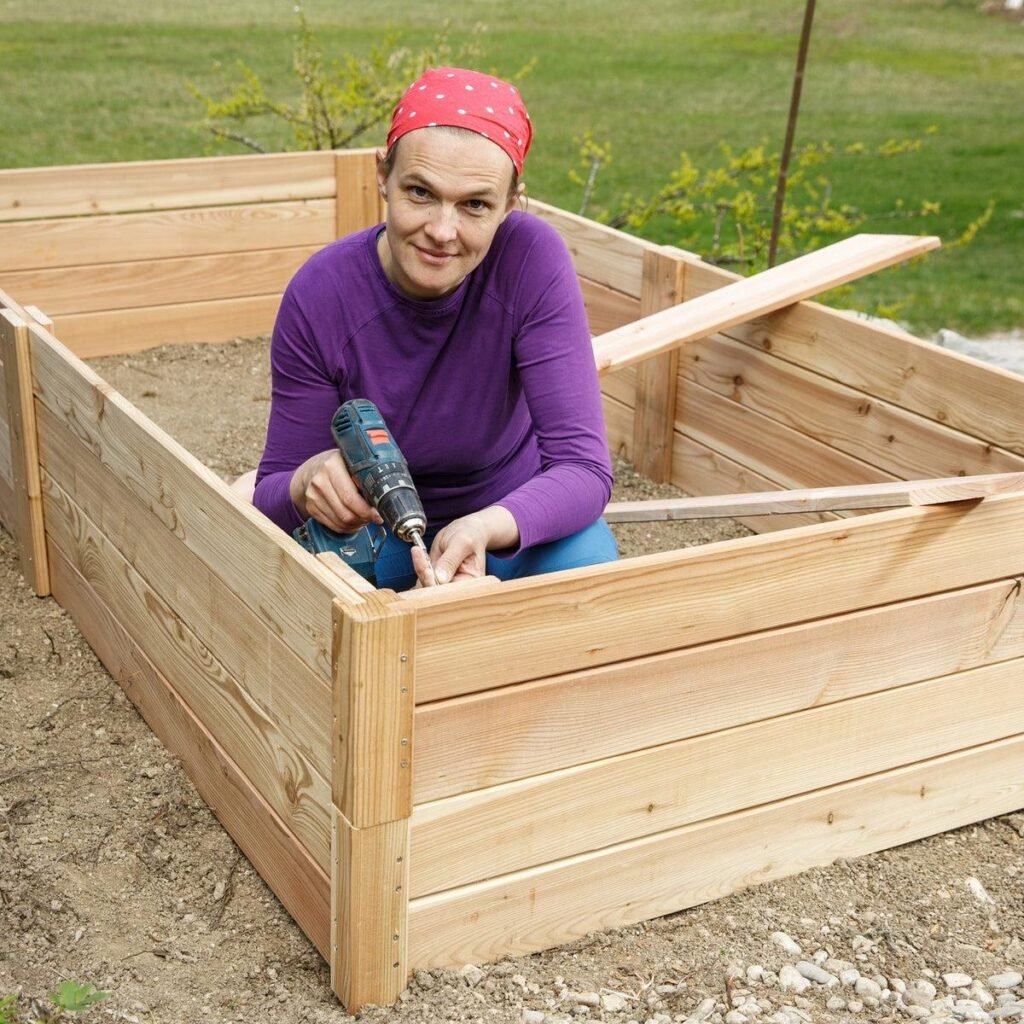
If you already own a drill and saw, building the frame yourself may reduce costs.
Prefabricated galvanized steel beds can be a convenient alternative to wooden frames.
Many kits include panels, bolts, and assembly instructions, reducing the need for cutting materials.
However, prices vary widely according to size, panel thickness, coating, and manufacturer.
Basic metal kits may be affordable, while larger premium models can cost several hundred dollars.
Compare the complete dimensions and included hardware rather than looking only at the advertised price.
For more information about choosing materials, read our guide on metal vs wood raised garden beds.
The following table provides an illustrative budget for a 4 × 8-foot raised bed approximately 12 inches deep, assuming DIY assembly in the United States.
| Expense | Estimated Cost (USD) | Notes |
|---|---|---|
| Wooden frame or basic kit | $50–$200 | Depends on material and quality |
| Growing soil | $50–$250 | Bulk mixes may cost less than bagged products |
| Screws and brackets | $10–$30 | Some kits include hardware |
| Mulch | $5–$20 | Depends on material and quantity |
| Seeds or seedlings | $10–$30 | Varies by crops |
| Estimated total | $125–$530 | Excludes tools, delivery, and paid labor |
These figures are planning estimates, not verified quotes for a specific retailer. Local prices and delivery charges may change the total substantially.
Soil is one of the most commonly underestimated expenses.
A raised bed measuring 4 feet wide, 8 feet long, and 12 inches deep requires approximately 32 cubic feet of growing medium.
That’s about 1.19 cubic yards or sixteen 2-cubic-foot bags.
Buying individual bags is convenient for small projects but may become expensive when filling several beds.
Bulk soil from a reputable local supplier can be more economical, especially when delivery costs are shared across multiple beds.
Choose a suitable growing mix rather than filling the entire bed with poor-quality topsoil.
For ways to reduce filling expenses, explore our article on how to fill a raised garden bed cheaply.
Building a raised bed yourself gives you control over dimensions, materials, and appearance.
It can also save money if you already own the necessary tools.
However, DIY construction requires measuring, cutting, assembly, and time.
Store-bought kits simplify the process and may be more convenient for beginners.
A kit isn’t automatically more expensive. Some basic metal or wooden kits cost less than purchasing premium lumber separately.
Compare total costs, including shipping, hardware, and soil, before deciding.
You can reduce expenses without sacrificing essential quality.
Start with a manageable size rather than building several large beds immediately.
Use standard lumber lengths to minimize cutting waste.
Compare local sawmills, garden centers, and building suppliers for suitable materials.
Buying soil in bulk may reduce the cost per cubic foot.
You can also start vegetables from seeds instead of purchasing every plant as a transplant.
Avoid unknown reclaimed materials that may contain harmful chemicals or unsuitable coatings.
The initial construction is usually the largest one-time expense.
After installation, you’ll still need seeds, compost, mulch, and occasional replacement parts.
Wooden frames may require repairs as they age, while metal beds need periodic checks for corrosion and loose hardware.
Healthy raised bed soil usually doesn’t require complete replacement every year.
Instead, maintain soil fertility based on plant needs and soil testing when appropriate.
A raised bed can be worthwhile if you value organized growing space, easier soil management, and the enjoyment of gardening.
However, it doesn’t guarantee savings on grocery bills.
Harvest value depends on crop selection, growing conditions, productivity, and the amount of produce you actually use.
If your main goal is minimizing startup costs, an in-ground garden may be more affordable where existing soil conditions are suitable.
The cost of building a raised garden bed in 2026 depends on its size, materials, and growing medium.
A simple DIY project can be relatively affordable, while larger cedar, composite, or premium metal beds require a bigger investment.
Start by calculating the soil volume, comparing local material prices, and choosing a design you can maintain.
For more advice on raised bed construction, materials, and buying decisions, explore our Raised Beds guides.