Newsletter Subscribe
Enter your email address below and subscribe to our newsletter


Raised Bed Gardening Made Simple
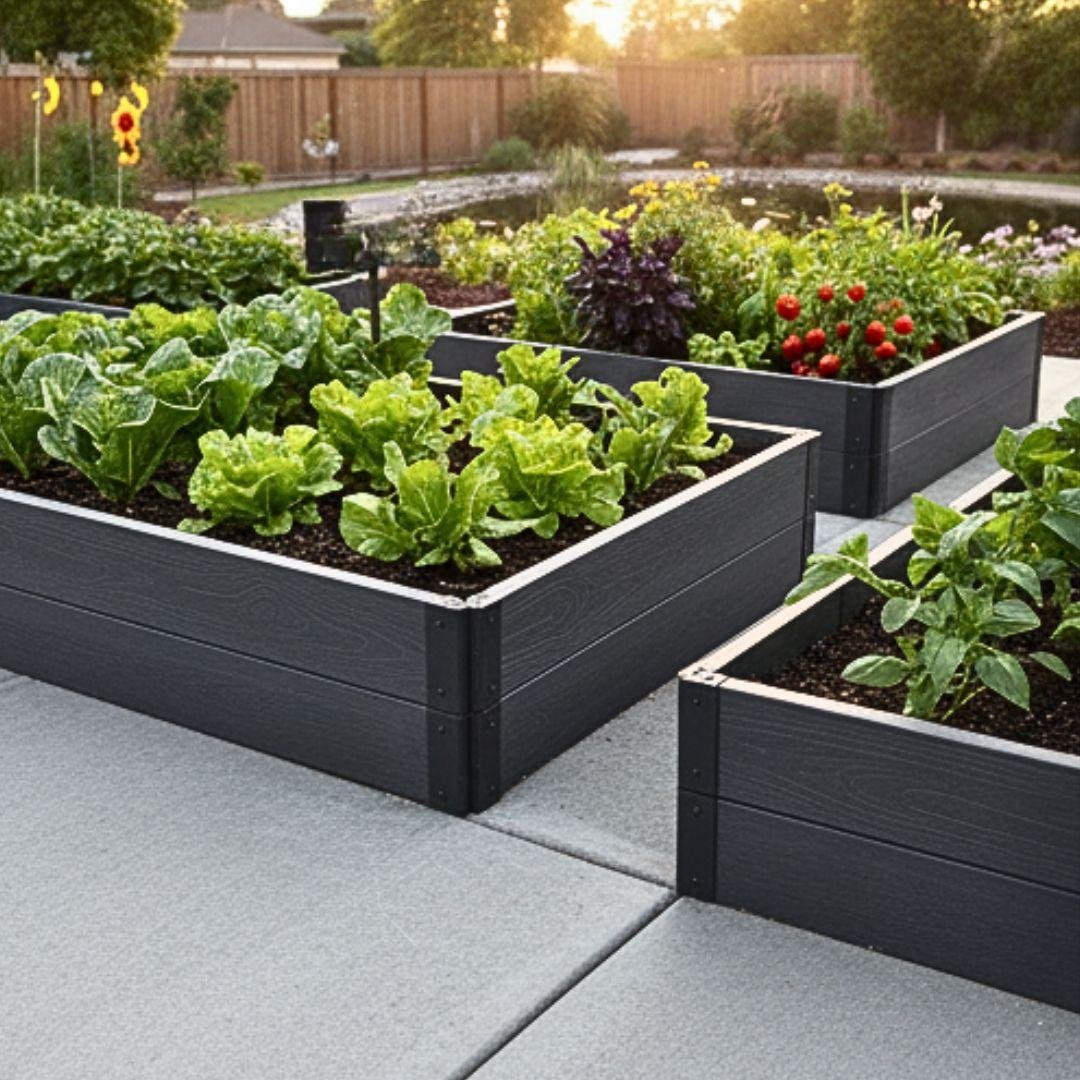
Composite raised garden beds are becoming an increasingly popular alternative to traditional wooden and metal planters. They promise a wood-like appearance, less maintenance, and resistance to some of the problems that affect natural lumber.
But are composite raised garden beds worth the higher upfront investment?
The answer depends on the quality of the material, your budget, local climate, and how long you plan to use your garden.
Before buying, it’s worth understanding what composite garden beds are made from, how they compare with other materials, and whether their long-term advantages justify the price.
Composite raised garden beds are typically made from a combination of materials, often including wood fibers and recycled or virgin plastics.
Some products use wood-plastic composite (WPC), while others are manufactured from different engineered materials.
The exact composition varies by manufacturer.
Unlike natural wood, many composite products are designed to resist moisture-related deterioration without requiring regular staining or painting.
However, not every composite material performs equally well outdoors.
Product quality, UV resistance, reinforcement, and construction methods can significantly affect durability.
Durability is one of the main reasons gardeners consider composite raised beds.
Many composite boards resist the biological decay that affects untreated lumber because their plastic components reduce moisture absorption.
However, composite materials are not completely immune to damage.
Some boards may expand, warp, fade, or become brittle after prolonged exposure to sunlight and temperature changes.
Long panels can also bow under the pressure of wet soil if they lack adequate reinforcement.
Before purchasing, check the manufacturer’s specifications for outdoor exposure, structural support, and warranty coverage.
A durable material still needs a well-designed frame.
Composite isn’t automatically the best choice for every backyard.
Wood offers a natural appearance and is relatively easy to repair or customize.
Metal beds are often lightweight, durable, and available in a variety of shapes.
Composite products appeal to gardeners who want a wood-like appearance with fewer routine maintenance requirements.
| Feature | Composite | Natural Wood | Galvanized Steel |
|---|---|---|---|
| Initial cost | Often medium to high | Low to high | Medium to high |
| Rot resistance | Generally good | Depends on species | Not subject to wood rot |
| Maintenance | Usually low | Periodic inspection and repairs | Periodic corrosion checks |
| Appearance | Consistent, wood-like finish | Natural wood grain | Modern metal finish |
| Structural stiffness | Depends on reinforcement | Depends on board dimensions | Depends on panel design |
| Repair options | Product-dependent | Often straightforward | Product-dependent |
| Environmental impact | Depends on composition and sourcing | Depends on sourcing and lifespan | Depends on manufacturing and recycling |
| Best for | Low-maintenance garden designs | DIY customization | Lightweight modular layouts |
Actual performance depends on product quality, climate, construction, and maintenance.
Composite raised beds often cost more initially than basic untreated pine beds.
However, premium cedar beds and high-quality metal kits may have comparable or higher prices.
Instead of looking only at the purchase price, consider the total cost over several years.
This includes replacement parts, maintenance supplies, repairs, and the expected service life.
A composite bed that remains structurally sound for many seasons may offer good value, but that depends on the specific product.
Avoid assuming that every composite bed will last longer than cedar or galvanized steel.
For a broader comparison of common materials, read our guide on metal vs wood raised garden beds.
Safety depends on the actual materials and additives used.
Some composite boards contain recycled plastics, wood fibers, pigments, stabilizers, or other manufacturing additives.
Their presence does not automatically make a product unsafe, but it is important to verify that the manufacturer recommends the material for growing edible plants.
Look for clear information about material composition and intended use.
Avoid using unknown reclaimed composite boards that may contain unsuitable treatments or contaminants.
If the manufacturer cannot provide reliable product information, consider a material with better-documented suitability for vegetable gardening.
Composite raised beds are often marketed as low-maintenance, but they still require occasional care.
Clean dirt and debris from the surface using methods recommended by the manufacturer.
Inspect joints, screws, brackets, and support posts periodically.
Check long panels for outward bowing, especially after the soil becomes saturated.
Avoid placing excessive weight on the edges unless the product is designed to support it.
Good drainage and stable installation remain important regardless of the frame material.
Yes. Some composite materials can change appearance or shape over time.
Sunlight may gradually alter surface color, while temperature fluctuations can cause expansion and contraction.
Certain products include UV stabilizers or reinforcement to reduce these effects.
However, the performance of one composite brand should not be assumed to apply to another.
Check product reviews, installation instructions, and warranty exclusions before purchasing.
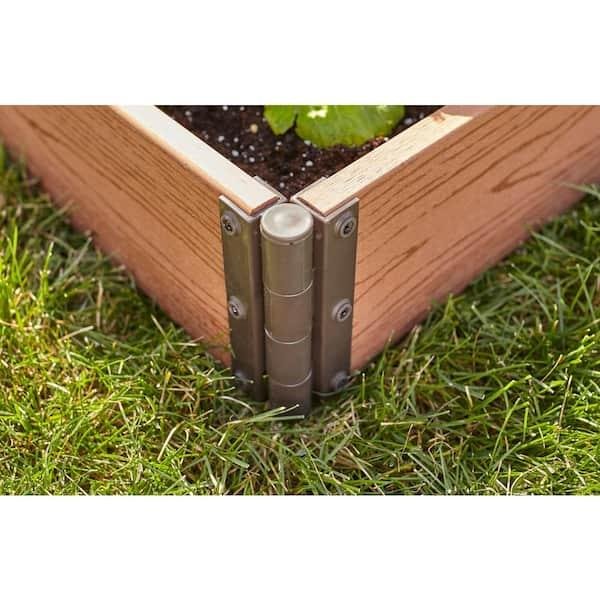
Some composite products use recycled plastic and reclaimed wood fibers, potentially reducing demand for new raw materials.
However, environmental impact depends on manufacturing processes, transportation, product lifespan, and end-of-life disposal.
Composite boards can also be more difficult to recycle than single-material products.
A responsibly sourced wooden bed or durable metal structure may be a competitive alternative.
Rather than relying on broad environmental claims, look for specific information about recycled content, material sourcing, and recyclability.
Composite raised beds may be a good option for homeowners who want a long-term garden with a consistent appearance and relatively little routine maintenance.
They can also suit modern backyard designs where a wood-like finish is preferred.
However, gardeners with limited budgets may find untreated pine or other affordable materials more practical.
DIY enthusiasts who frequently redesign their gardens may prefer wood because it is easier to cut, modify, and repair.
For additional buying considerations, explore our guide on how to choose a raised garden bed.
Composite raised garden beds can be worth the investment, especially when you value low maintenance, consistent appearance, and resistance to moisture-related deterioration.
However, their long-term value depends on the actual product, not simply the word “composite.”
Compare material composition, structural reinforcement, warranty terms, and total ownership costs before buying.
For more practical advice on raised bed materials, construction, dimensions, and buying decisions, explore our Raised Beds guides.