Newsletter Subscribe
Enter your email address below and subscribe to our newsletter


Raised Bed Gardening Made Simple
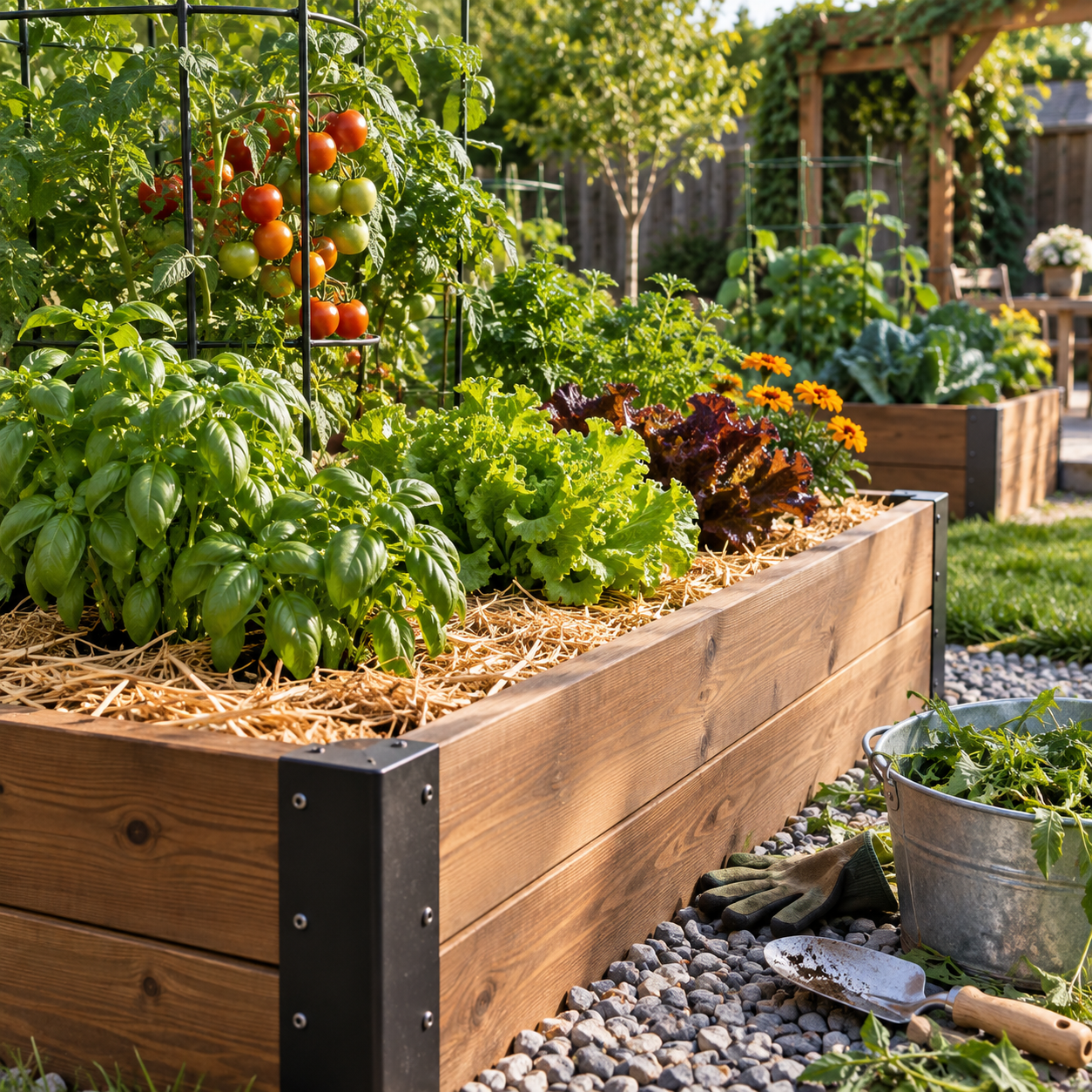
Raised garden beds can make weed control much easier, but they are not automatically weed-free. Weed seeds can arrive through soil, compost, wind, birds, garden tools, and surrounding plants. Some persistent weeds may even grow up from the ground beneath a new bed.
The key is to prevent weeds from becoming established rather than waiting until they take over. With clean soil, proper mulching, thoughtful planting, and a few minutes of regular maintenance, you can keep most raised beds relatively weed-free throughout the growing season.
If you’re building a new raised bed, deal with existing weeds before adding soil.
Remove large perennial weeds and as much of their root system as possible. Weeds that spread through underground roots can sometimes grow through several inches of new soil.
For beds installed over lawn, mowing the grass short and covering the area with overlapping sheets of plain cardboard can help suppress existing vegetation.
Avoid using impermeable plastic beneath a vegetable bed because it can restrict drainage.
Sometimes weeds don’t come from underneath the raised bed—they arrive with the material used to fill it.
Low-quality topsoil and unfinished compost may contain viable weed seeds or pieces of persistent roots. When possible, buy soil and compost from a reliable source and inspect bulk materials before adding them to your garden.
A good raised bed soil mix should support healthy plant growth while draining excess water effectively.
Internal link opportunity: Link the phrase “raised bed soil mix” to your article Best Soil for Raised Garden Beds: The Perfect Soil Mix.
One of the easiest ways to reduce weeds is to keep bare soil covered.
Organic mulch blocks some sunlight from reaching weed seeds while helping the soil retain moisture. Common options include shredded leaves, clean straw, fine wood chips, and dried grass clippings.
For most vegetable beds, a layer around 2–3 inches (5–7.5 cm) deep is a useful starting point.
Avoid piling mulch directly against vegetable stems. Leave a little space around each plant to improve airflow and reduce excess moisture around the stem.
Internal link opportunity: Link “mulch a raised garden bed” to How to Mulch a Raised Garden Bed Properly.
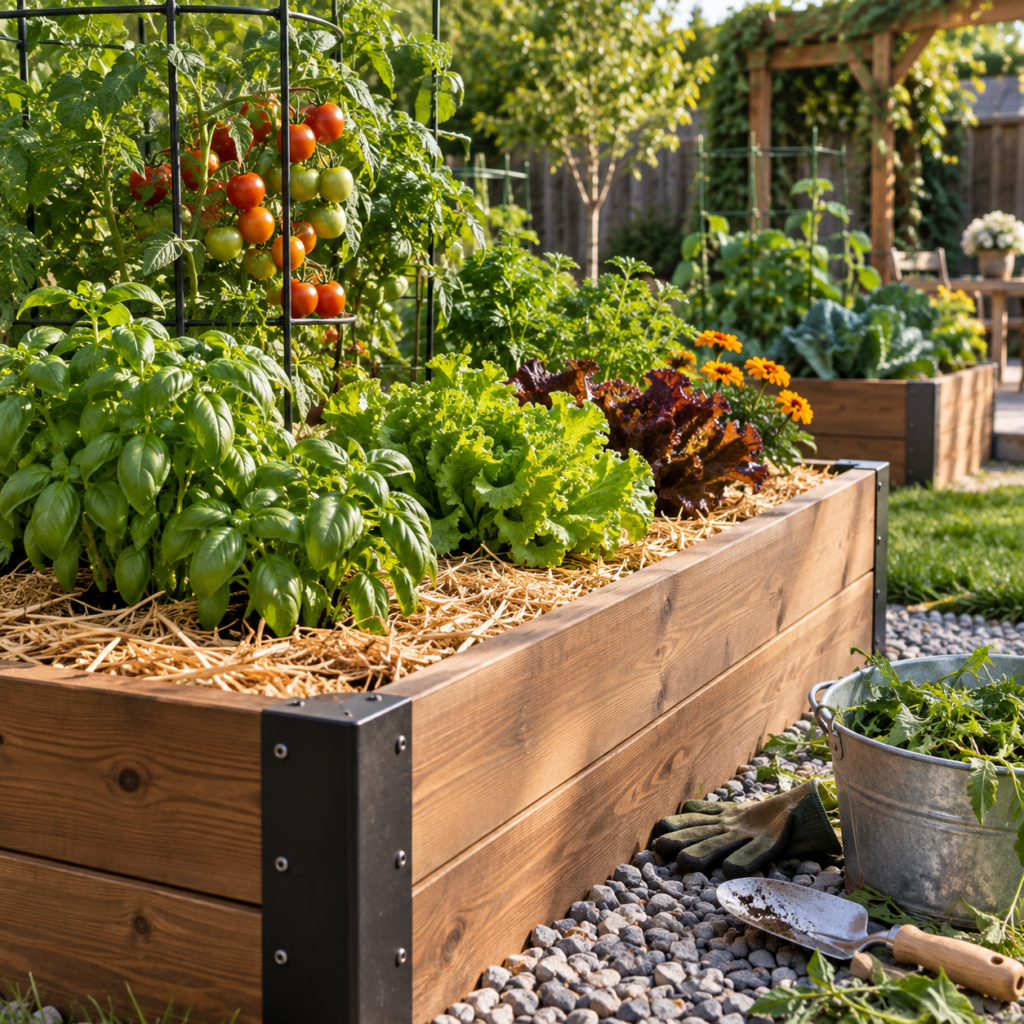
Large areas of exposed soil give weeds more opportunities to germinate.
Follow the recommended spacing for each vegetable, but avoid leaving unnecessary gaps. As crops mature, their leaves create shade over the soil surface, which can make conditions less favorable for some weeds.
You can also use compatible companion plants to fill smaller spaces around larger vegetables.
However, don’t overcrowd the bed simply to prevent weeds. Vegetables still need adequate airflow, sunlight, nutrients, and root space.
Even with good prevention, occasional weeds are inevitable.
The best time to remove them is while they’re small. Young weeds generally have shallow root systems and are much easier to pull without disturbing nearby crops.
Check your raised beds whenever you water or harvest. Removing two or three small weeds every few days is much easier than clearing a heavily overgrown bed later.
After rain or watering is often a good time to weed because moist soil makes roots easier to remove.
A weed becomes a much bigger problem once it flowers and produces mature seeds.
If you notice weeds beginning to flower, remove them promptly. This applies not only inside the raised bed but also to weeds growing around pathways, fences, and nearby garden areas.
Keeping the surrounding area maintained reduces the amount of seed that can blow or fall into your raised beds.
Weed management shouldn’t stop at the edge of the raised bed.
Paths covered with gravel, wood chips, or other suitable materials can help reduce weed growth around your growing area. Regular mowing or hand-pulling along bed edges also helps.
This creates a cleaner garden while reducing nearby sources of weed seeds.
| Method | Best Time to Use | Main Benefit |
|---|---|---|
| Cardboard | Before filling a new bed | Suppresses existing vegetation |
| Clean soil | When filling the bed | Reduces introduced weed seeds |
| Organic mulch | During the growing season | Covers soil and limits germination |
| Hand pulling | As soon as weeds appear | Stops weeds before they mature |
| Efficient planting | During planting | Reduces unnecessary bare soil |
| Path maintenance | Throughout the season | Reduces nearby weed pressure |
Organic mulch gradually decomposes and becomes incorporated into the soil.
Check the bed periodically. If large areas of bare soil become visible, add a fresh layer where necessary.
You don’t always need to replace all the mulch. Often, lightly topping up thin areas is enough.
Internal link opportunity: Link “refresh an old raised garden bed” to your existing How to Refresh an Old Raised Garden Bed guide.
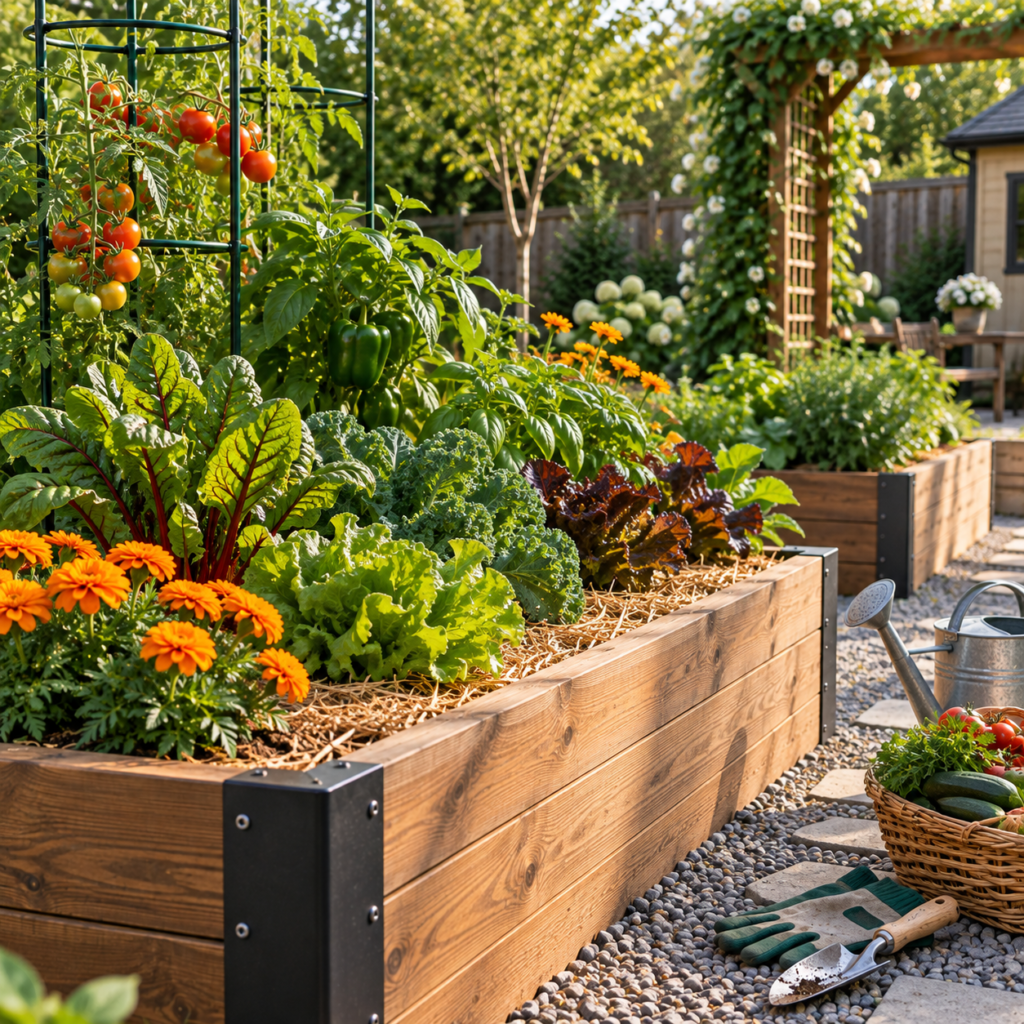
Landscape fabric can be useful around raised beds and underneath some garden pathways, but permanent fabric inside a vegetable bed is not always necessary.
Over time, roots can interact with the fabric, and future digging or soil improvement may become more difficult.
For many home vegetable gardens, organic mulch and regular maintenance provide a more flexible long-term solution.
Keeping weeds out of raised garden beds is mostly about consistency. Start with clean growing conditions, minimize bare soil, maintain a layer of mulch, and remove weeds before they mature.
You don’t need a perfectly weed-free garden. The goal is to prevent weeds from competing heavily with your vegetables or producing enough seed to create a larger problem next season.
A few minutes of routine maintenance can often prevent hours of weeding later.
For more advice on maintaining healthy, productive raised beds, explore our Garden Care guides.
| 锚文本 | 链接到哪里 | 放置位置 |
|---|---|---|
| raised bed soil mix | Best Soil for Raised Garden Beds: The Perfect Soil Mix | Choose Clean Soil and Compost 部分 |
| mulch a raised garden bed | How to Mulch a Raised Garden Bed Properly | Cover the Soil With Mulch 部分 |
| refresh an old raised garden bed | How to Refresh an Old Raised Garden Bed | Refresh Mulch During the Season 部分 |
| Garden Care guides | Garden Care 分类页 | Final Thoughts 最后一段 |