Newsletter Subscribe
Enter your email address below and subscribe to our newsletter


Raised Bed Gardening Made Simple
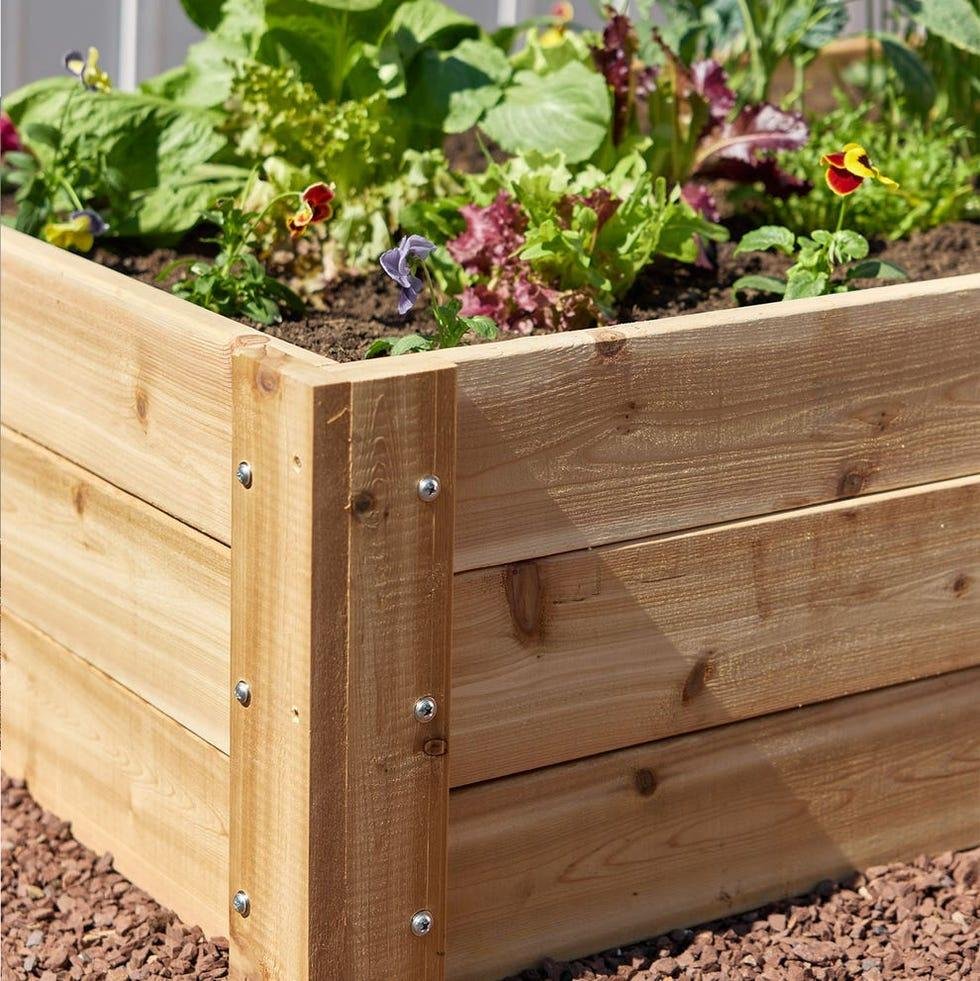
Choosing between cedar and pine is one of the most common decisions when building a wooden raised garden bed. Both materials are widely used, relatively easy to work with, and suitable for backyard vegetable gardens.
However, they differ significantly in natural rot resistance, upfront cost, and long-term durability.
Cedar generally lasts longer than untreated pine, particularly when the wood remains in contact with moist soil. Pine is usually more affordable, making it attractive for gardeners who want to build raised beds on a smaller budget.
Here’s how the two materials compare and which one makes more sense for your garden.
Cedar is valued for its natural resistance to decay and certain wood-damaging insects. Species such as Western red cedar and Eastern redcedar are commonly associated with outdoor construction.
Pine is generally less expensive and easier to find at home improvement stores.
Untreated pine does not offer the same natural protection against decay, especially in warm, damp conditions.
However, not all cedar or pine lumber performs identically. Wood species, heartwood content, board thickness, and local climate all affect durability.
When comparing products, check the actual wood species rather than relying on the general label.
Lifespan is often the deciding factor when choosing raised bed materials.
As a general planning estimate, untreated pine beds may last around three to five years, while well-constructed cedar beds can sometimes remain usable for ten years or longer.
These are approximate ranges, not guaranteed service lives.
Constant soil moisture, poor drainage, thin boards, and harsh weather can shorten the lifespan of either material.
Cedar heartwood usually offers better natural decay resistance than untreated pine, making it a stronger choice when longevity is the priority.
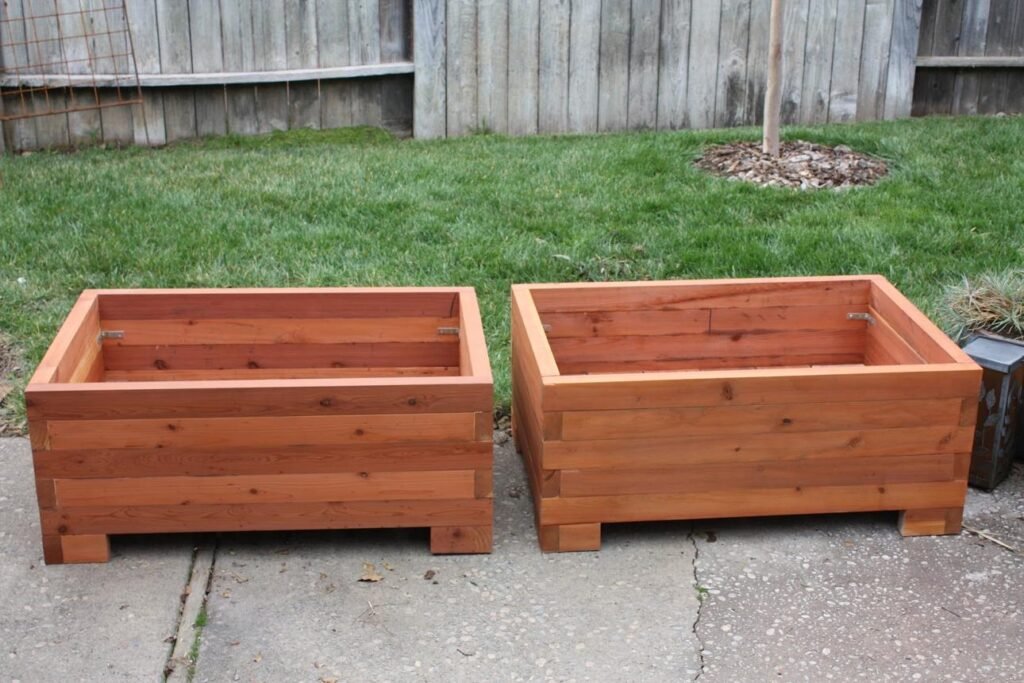
| Feature | Cedar | Untreated Pine |
|---|---|---|
| Natural rot resistance | Generally high | Generally low |
| Approximate lifespan | Often 10+ years in favorable conditions | Commonly 3–5 years |
| Initial cost | Higher | Lower |
| Availability | Depends on region | Usually widely available |
| Ease of construction | Generally easy | Generally easy |
| Insect resistance | Better in some cedar species | Limited natural resistance |
| Maintenance | Periodic inspection | More frequent replacement may be needed |
| Best for | Long-term garden projects | Budget-friendly or temporary beds |
Actual performance varies with wood species, construction quality, moisture exposure, and maintenance.
Pine is usually the more economical option upfront.
If you’re building several large raised beds, the difference in lumber costs can be substantial.
Cedar typically costs more because of its natural durability, regional availability, and demand for outdoor projects.
However, the cheapest initial material isn’t always the least expensive over time.
For example, replacing deteriorated pine boards every few years may eventually cost more than purchasing durable cedar once.
Consider the cost of lumber, fasteners, replacement boards, and your time.
Local lumber prices can vary considerably, so compare actual quotations before making a decision.
Both untreated cedar and untreated pine can be used to build raised beds for vegetables.
The wood species itself does not determine whether tomatoes, lettuce, carrots, or herbs will grow successfully.
Soil quality, sunlight, watering, drainage, and planting practices have a much greater influence on vegetable performance.
Avoid using lumber with unknown chemical treatments or contamination.
Modern pressure-treated lumber is a separate category from untreated pine, and recommendations differ depending on the preservative and intended growing system.
For a closer look at materials used around edible crops, read our guide on are wooden raised garden beds safe for vegetables.
Cedar’s natural resistance to decay can reduce how frequently boards need replacement.
However, cedar raised beds are not maintenance-free.
Inspect corners, screws, and boards regularly for movement, splitting, or deterioration.
Wood exposed to sunlight and rain will gradually change color, even when it remains structurally sound.
Pine requires similar inspections, but signs of softening or decay may appear sooner.
Replacing individual damaged boards can extend the usefulness of either bed.
Good construction can improve durability regardless of the material.
Choose adequately thick boards, use corrosion-resistant fasteners, and reinforce corners where necessary.
Avoid leaving wooden frames in areas with persistent standing water.
Maintain appropriate drainage and repair damaged components promptly.
Some gardeners use liners along the interior walls to reduce direct soil contact, but liners must not obstruct drainage.
For additional maintenance strategies, explore our article on how to extend the life of a wooden raised garden bed.
Cedar may be worth the additional cost if you plan to garden in the same location for many years.
Its natural decay resistance makes it appealing for permanent backyard installations.
Pine can be a sensible alternative for beginners, renters, or gardeners testing a new layout.
If you expect to relocate or redesign your garden soon, investing heavily in cedar may not be necessary.
The right choice depends on how long you expect to use the bed and how much you’re comfortable spending initially.
Environmental impact involves more than how long a raised bed lasts.
Locally sourced pine may require less transportation than cedar shipped from a distant region.
On the other hand, a longer-lasting cedar bed may require fewer replacements.
Responsibly sourced lumber and reusable construction components can help reduce waste.
When available, consider certified wood and ask suppliers about its origin.
Avoid assuming that one species is automatically the more sustainable choice in every location.
Cedar generally lasts longer than untreated pine in raised garden beds because of its natural resistance to decay.
For gardeners seeking a long-term structure, cedar is often the stronger investment.
For those prioritizing affordability, untreated pine remains a practical option, especially when shorter service life is acceptable.
Whichever material you choose, proper construction, drainage, and regular inspection are essential.
For more information about wood, metal, raised bed construction, and buying decisions, explore our Raised Beds guides.