Newsletter Subscribe
Enter your email address below and subscribe to our newsletter
Raised Bed Gardening Made Simple
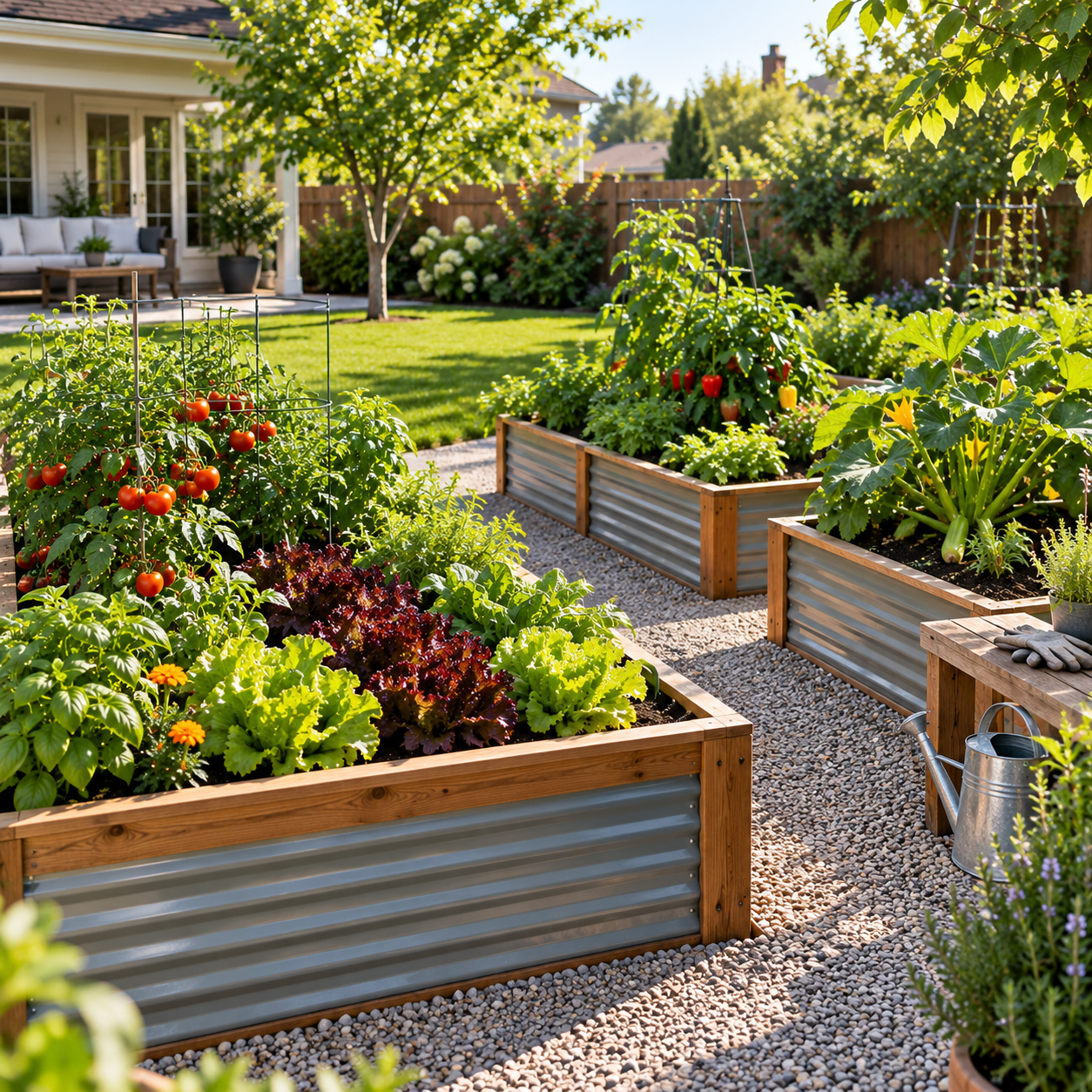
Planning a raised bed garden often starts with a simple question: how many beds should you build?
The answer depends on more than the size of your backyard. Your household’s vegetable preferences, available growing space, budget, and gardening experience all influence how many raised garden beds you actually need.
Some gardeners grow plenty of herbs and salad greens in one bed. Others need several beds to produce a wider variety of vegetables throughout the season.
Here’s how to choose a practical number without building more garden than you can comfortably maintain.
If you’re new to vegetable gardening, starting with one or two raised beds is usually a sensible choice.
A single 4 × 4-foot bed provides 16 square feet of growing space. That’s enough to experiment with herbs, lettuce, radishes, and other compact crops.
Two beds give you more flexibility. You might use one for leafy greens and another for tomatoes, peppers, or seasonal vegetables.
Starting small helps you understand how quickly your soil dries out, how much maintenance your plants require, and which crops grow well in your location.
You can always add another bed after your first growing season.
Household size can help you estimate how much growing space you may want, but it shouldn’t be your only consideration.
A household that eats fresh salads daily may use more leafy greens than a larger family that only grows a few herbs.
The following table offers a starting point rather than a guaranteed harvest estimate.
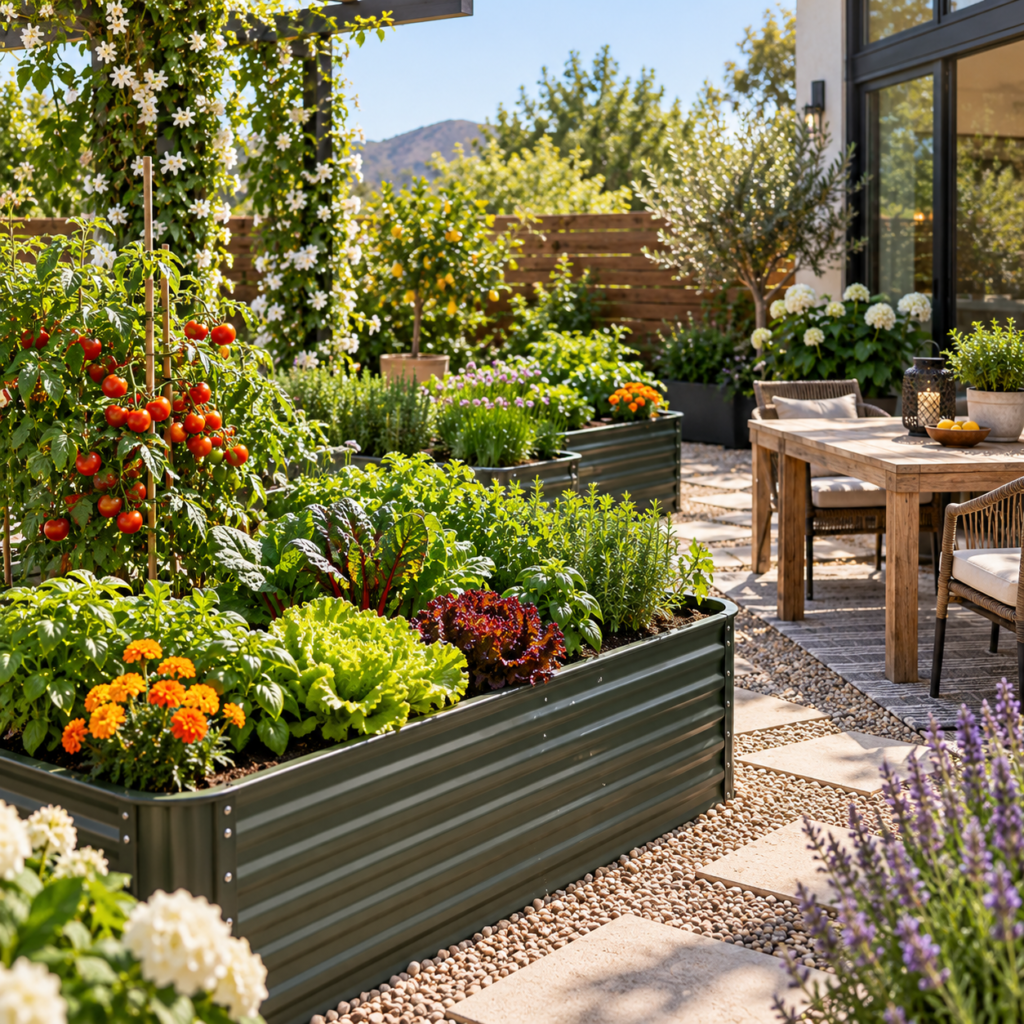
| Household or Goal | Suggested Beds | Example Bed Size | Suitable Growing Plan |
|---|---|---|---|
| Beginner or occasional gardener | 1 | 4 × 4 ft | Herbs and salad greens |
| 1–2 people | 1–2 | 4 × 4 ft or 4 × 6 ft | Greens, herbs, peppers |
| 3–4 people | 2–4 | 4 × 6 ft | Mixed seasonal vegetables |
| 5+ people | 3–6+ | 4 × 6 ft or 4 × 8 ft | Wider crop variety |
| Serious vegetable gardener | 4+ | Mixed sizes | Succession planting and larger harvests |
These are flexible planning examples, not fixed requirements. Harvest quantities depend heavily on climate, crop selection, planting density, and growing season length.
Different vegetables need different amounts of space.
Leafy greens, radishes, and many herbs can be grown relatively close together when properly spaced.
Larger crops such as tomatoes, zucchini, and sprawling squash may require considerably more room.
Climbing vegetables can make efficient use of vertical supports, although their roots still need adequate soil and growing space.
Before deciding on the number of beds, make a list of the vegetables your household enjoys eating.
Then estimate how much room each crop will need at maturity.
The number of raised beds that physically fit in your backyard may be different from the number you can maintain comfortably.
Remember to include pathways, access to water, and room for mature plants.
For beds accessible from both sides, a width of approximately 3–4 feet is practical for many gardeners.
Narrower beds are often better against fences or walls.
Leave enough room to walk, harvest, and move gardening supplies between beds.
If your backyard is limited, our guide to best raised garden bed sizes for small backyards can help you choose suitable dimensions.
Instead of focusing only on bed numbers, calculate the total growing area.
For example:
Two large beds may provide more growing space than four small ones.
However, several smaller beds can be easier to organize around different crops and seasonal planting schedules.
Choose the arrangement that fits your space and gardening routine.
Building or purchasing raised beds is only part of the initial expense.
You’ll also need growing soil, compost, seeds or seedlings, mulch, and possibly irrigation equipment.
Deeper beds require more soil, which can increase setup costs considerably.
For example, a 4 × 8-foot bed filled to a depth of 12 inches requires approximately 32 cubic feet of growing medium before allowing for settling.
Planning soil volume before purchasing materials helps avoid unnecessary expenses.
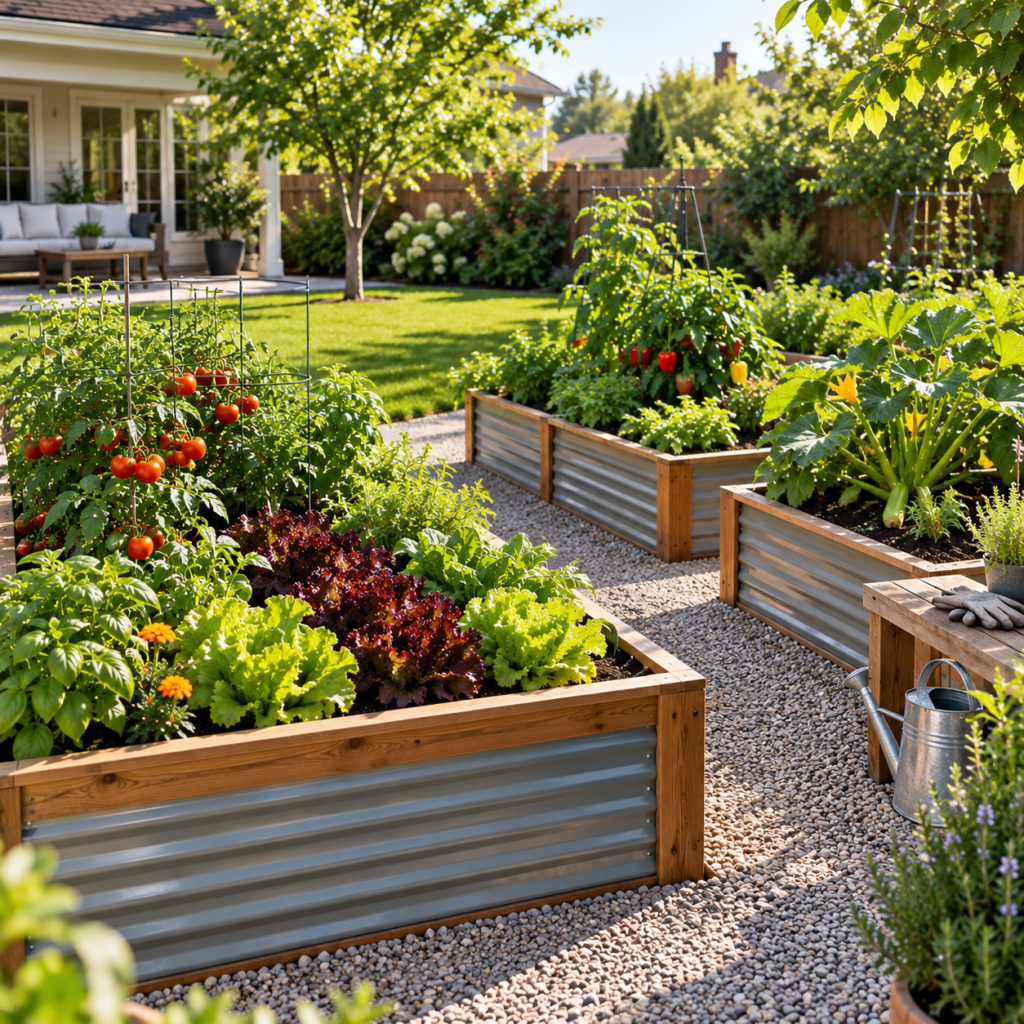
More raised beds usually mean more watering, planting, harvesting, and seasonal maintenance.
Even a well-designed garden requires regular attention.
If you have limited free time, two productive beds may be more enjoyable than six beds that become difficult to manage.
Mulch, drip irrigation, and appropriate plant spacing can reduce some routine work, but they won’t eliminate it.
Start with a manageable garden and expand when you’re confident you can maintain additional growing space.
You don’t need to build your entire garden in the first year.
Leave room for additional beds, pathways, or trellises if you expect to grow more vegetables later.
A flexible arrangement makes expansion easier without rebuilding the original garden.
For practical ideas on organizing beds and pathways, read our guide on how to design a raised garden bed layout.
For many beginners, one or two raised garden beds provide a manageable starting point. Households hoping to grow a broader selection of vegetables may benefit from three or more beds, depending on their available space and growing goals.
The most important consideration is not how many beds you own, but whether you can use and maintain the growing space effectively.
Start with the crops you enjoy, measure your backyard carefully, and expand your garden as your experience grows.
For more advice on raised bed dimensions, materials, construction, and planning, explore our Raised Beds guides.