Newsletter Subscribe
Enter your email address below and subscribe to our newsletter
Raised Bed Gardening Made Simple
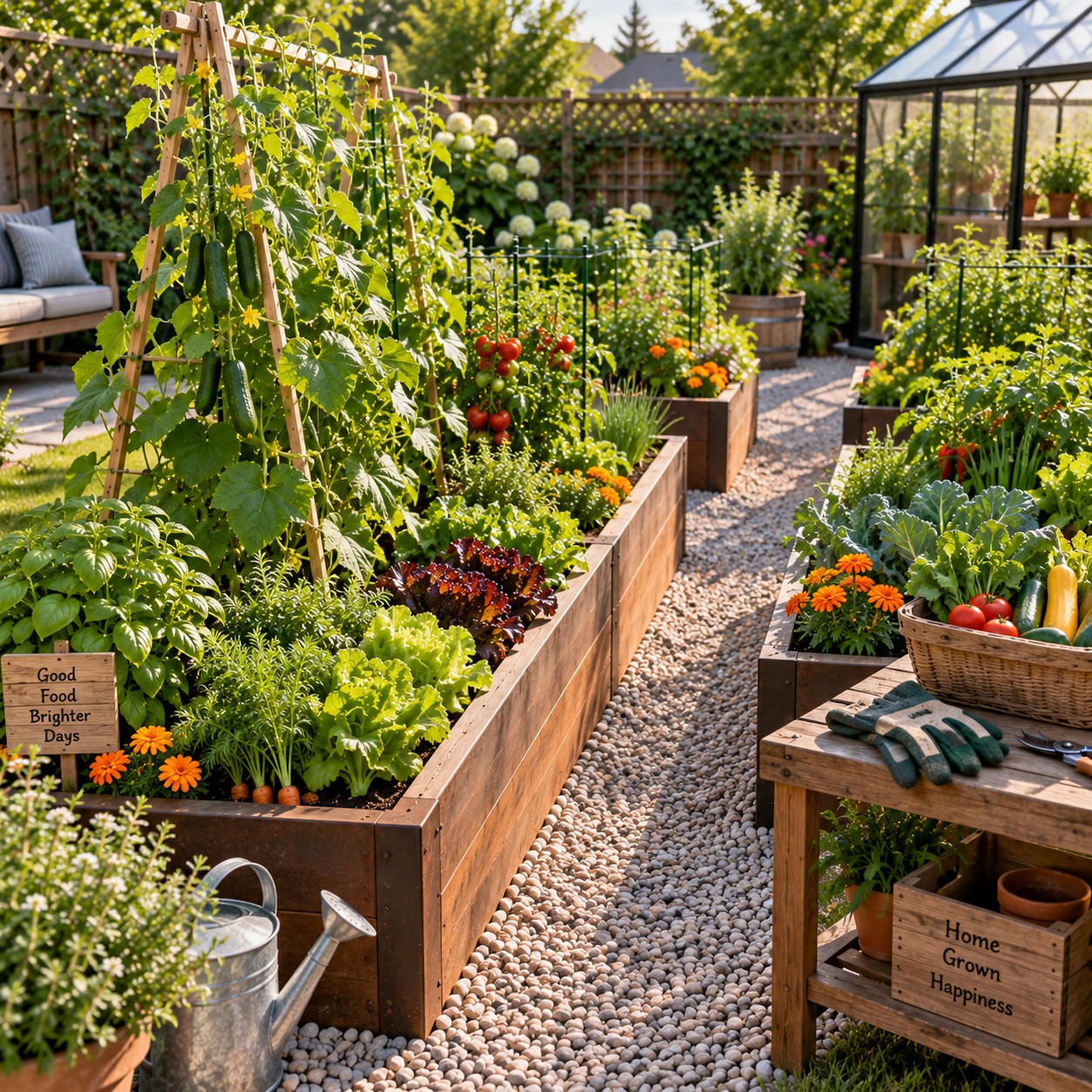
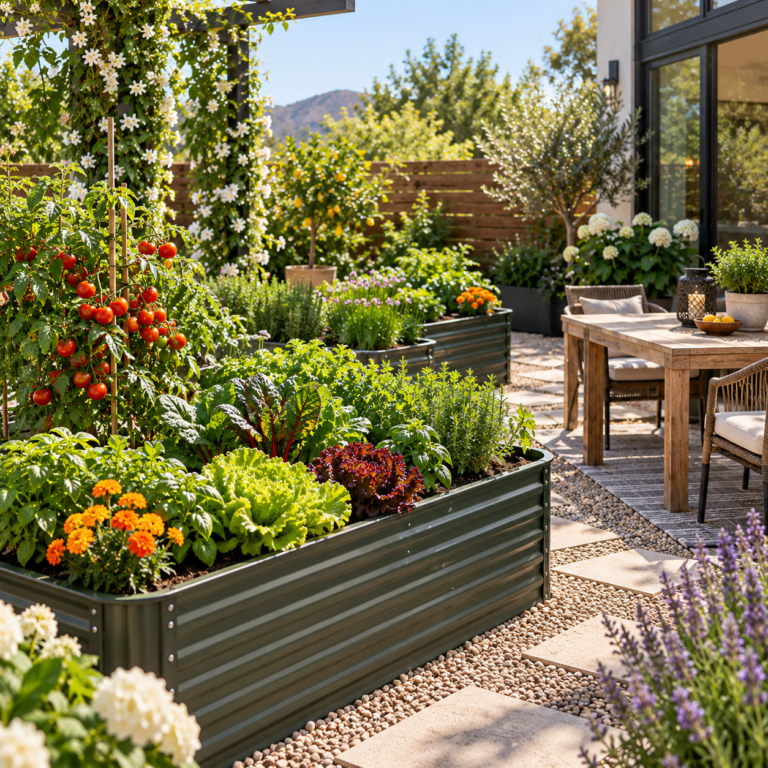
A productive raised bed garden isn’t necessarily the one with the most beds. It’s the one where sunlight, growing space, crop selection, and harvesting schedules work together.
A well-planned layout helps vegetables grow without unnecessary competition, makes harvesting easier, and creates opportunities to grow multiple crops throughout the season.
Whether you have two raised beds or an entire backyard vegetable garden, these layout ideas can help you make better use of your available growing area.
Before arranging raised beds, observe how sunlight moves across your backyard.
Most fruiting vegetables, including tomatoes and peppers, perform best with six to eight or more hours of direct sunlight daily.
Leafy greens may tolerate some shade, particularly during hot weather.
Position taller crops and trellises carefully so they don’t block sunlight from shorter vegetables.
In Northern Hemisphere gardens, placing taller plants toward the northern side of the growing area can often reduce unwanted shading.
The goal is to give each crop the light it needs rather than simply creating a symmetrical garden.
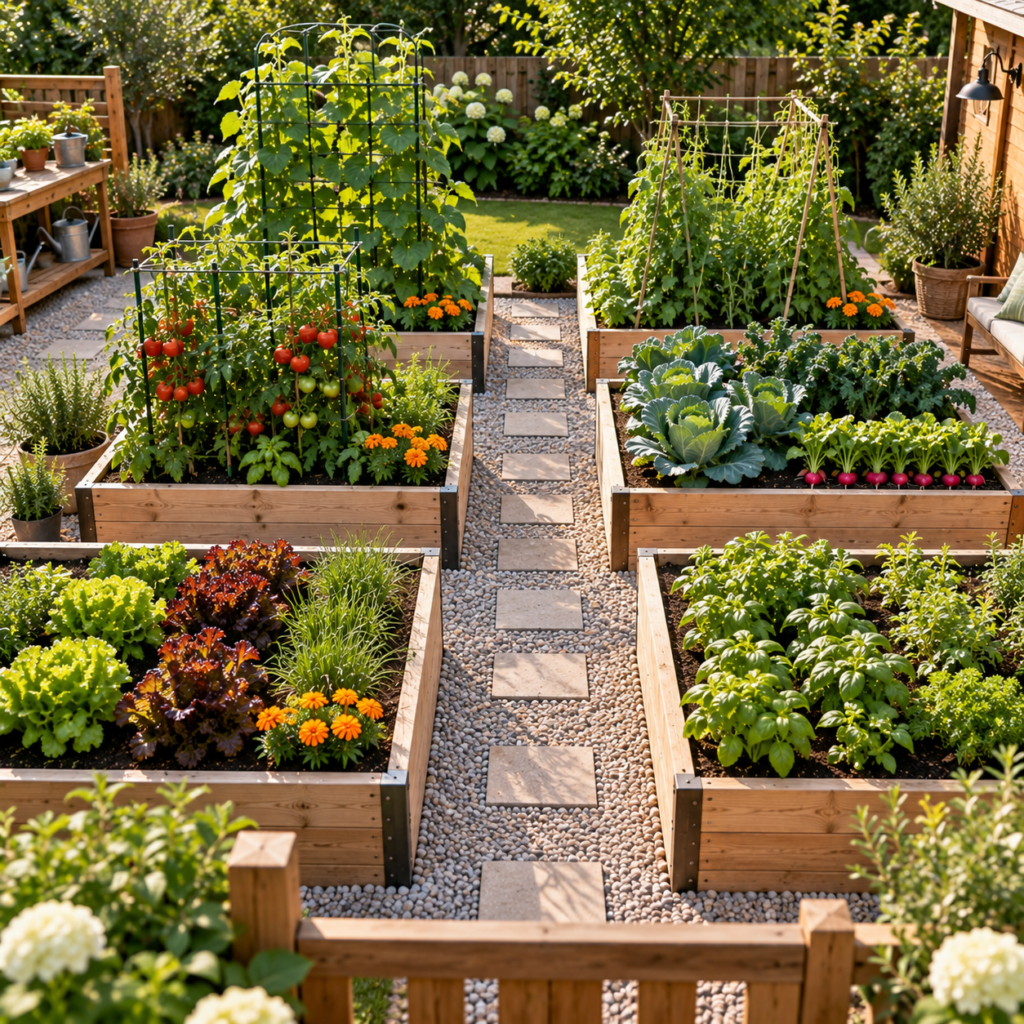
Organizing vegetables by growing requirements can simplify maintenance.
For example, you might dedicate one bed to leafy greens, another to fruiting vegetables, and a third to climbing crops.
This arrangement makes it easier to manage watering, plant supports, and seasonal changes.
It also helps prevent large plants from overwhelming smaller vegetables.
You don’t need a separate bed for every crop. Instead, group plants with compatible growing requirements.
Climbing vegetables can occupy valuable ground space if allowed to spread freely.
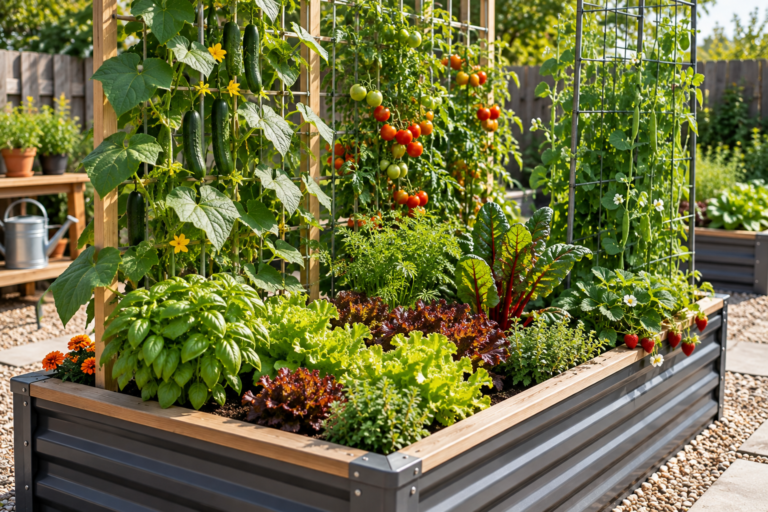
A sturdy trellis allows suitable crops such as cucumbers, pole beans, and peas to grow upward.
This can free surrounding soil for smaller vegetables while improving access for harvesting.
Install supports before plants become established, and choose structures strong enough to hold mature vines.
For additional space-saving strategies, explore our guide on how to maximize growing space in a raised garden bed.
One practical way to improve growing-space efficiency is to combine crops with different growth rates.
For example, radishes may mature before nearby tomatoes reach their full size.
Early-season lettuce can sometimes be harvested before warm-season vegetables require more space.
This approach is often called intercropping.
However, it requires careful timing. Avoid planting crops so closely that they compete heavily for sunlight, water, or nutrients.
Check the expected maturity dates and mature sizes before combining plants.
Succession planting means replacing harvested crops with new plants suited to the remaining growing season.
For example, after harvesting spring spinach or radishes, you might plant bush beans if temperatures and frost dates allow.
Later in the season, suitable cool-weather vegetables may replace finished summer crops.
Keep a simple planting calendar so you know when each bed will become available.
A garden that’s difficult to reach is also difficult to maintain.
Keep raised beds narrow enough to access the center without stepping onto the soil.
For many gardeners, beds approximately 3–4 feet wide work well when accessible from both sides.
Leave practical pathways for watering, carrying tools, and harvesting.
If you’re planning a new garden, read our guide on how to design a raised garden bed layout for additional spacing and arrangement advice.
| Layout Idea | Best For | Harvest Advantage |
|---|---|---|
| Parallel rectangular beds | Medium backyards | Easy crop management |
| Trellised beds | Climbing vegetables | Saves ground space |
| Mixed-maturity planting | Diverse vegetable gardens | Uses space at different growth stages |
| Dedicated crop zones | Multiple raised beds | Simplifies seasonal management |
| Succession planting layout | Long growing seasons | Allows repeated planting |
| Narrow accessible beds | Small gardens | Easier harvesting and maintenance |
The most productive arrangement depends on your climate, crop preferences, and available growing
space.
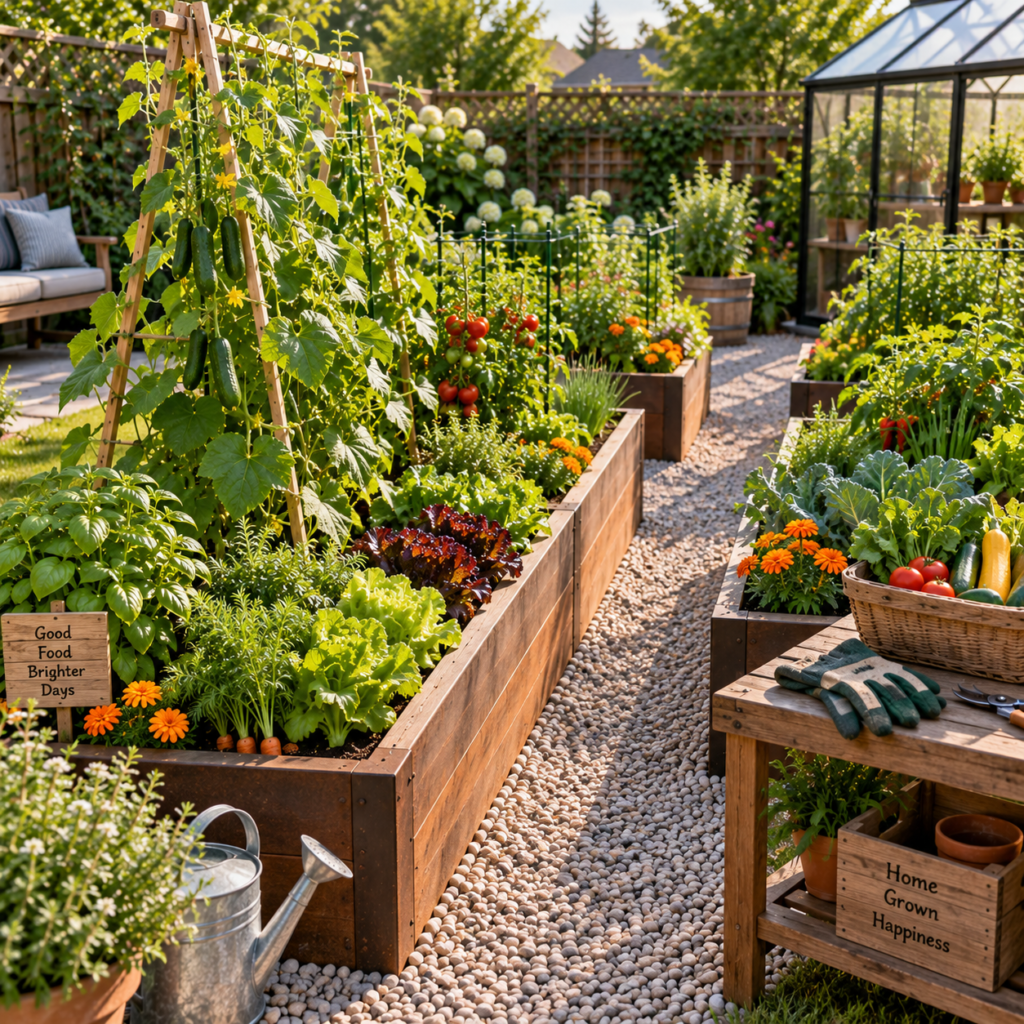
Good layout planning won’t compensate for unhealthy soil.
Raised beds need suitable drainage, organic matter, and adequate nutrients to support repeated harvests.
Adding mature compost can help maintain soil structure, but excessive amendments may create nutrient imbalances.
Consider soil testing when appropriate, especially if you grow vegetables intensively in the same beds each year.
Mulch can also help conserve moisture and protect exposed soil.
The first layout you create doesn’t need to be permanent.
Record what you planted, how much space each crop occupied, and whether plants received enough sunlight.
Note which combinations worked well and which beds became overcrowded.
These observations will help you make better decisions next season.
A simple garden notebook can be more useful than following a complicated planting diagram that doesn’t match your conditions.
The best raised garden bed layout for maximum harvest balances efficient space use with healthy plant growth.
Use sunlight wisely, grow suitable crops vertically, combine plants with compatible growth patterns, and plan for successive harvests.
Avoid overcrowding simply to fit more vegetables into a bed. Healthy plants with adequate growing space often perform better than tightly packed crops competing for resources.
For more backyard garden layouts, raised bed design inspiration, and practical space-saving ideas, explore our Garden Ideas guides.