Newsletter Subscribe
Enter your email address below and subscribe to our newsletter


Raised Bed Gardening Made Simple
Category: Garden Care
Suggested URL: /how-to-fill-raised-garden-bed-guide/
Primary Keyword: How to Fill a Raised Garden Bed
SEO Title: How to Fill a Raised Garden Bed: A Complete Guide
Meta Description: Learn how to fill a raised garden bed for healthy vegetables. Discover the right soil blend, filling methods, drainage tips, and common mistakes to avoid.
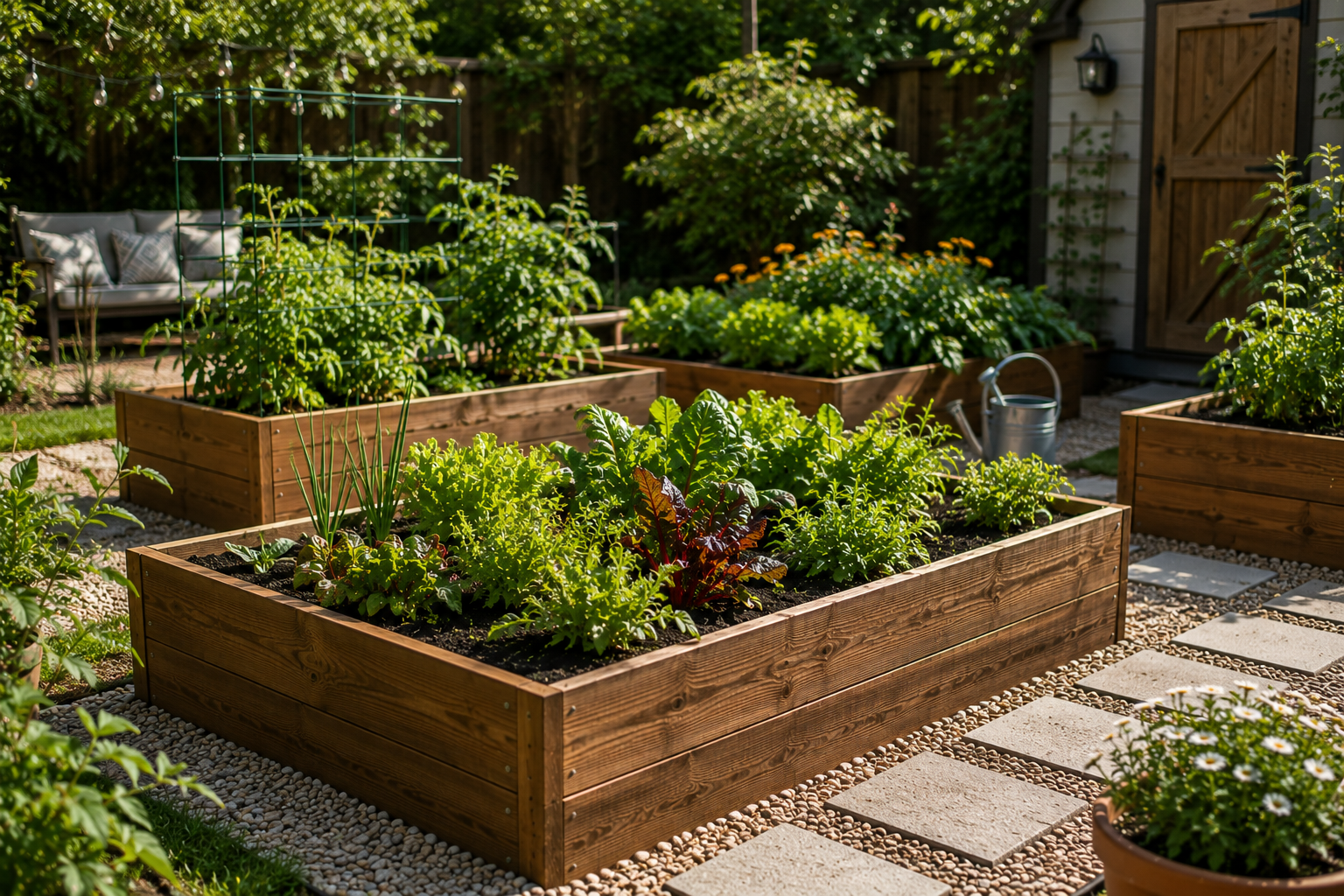
Building a raised garden bed is the easy part. What you put inside it will have a much greater influence on how well your vegetables grow.
A successful raised bed needs more than a pile of dirt. The growing medium should support roots, hold enough moisture for plants, allow excess water to escape, and provide organic matter throughout the growing season.
The best filling method also depends on the height of your bed. A compact 10-inch planter and a 30-inch-tall garden bed don’t need to be filled in exactly the same way.
Here’s how to create a productive growing environment without wasting money on materials you don’t need.
Fill your raised bed only after you’re confident about its location.
Once filled, even a relatively small bed becomes extremely heavy and difficult to move.
Look for a location that receives sufficient sunlight for the crops you plan to grow. Most popular vegetables—including tomatoes, peppers, beans, and cucumbers—perform best in sunny areas.
Also check what happens after heavy rain. Avoid low spots where water regularly collects around the garden.
Finally, make sure you can comfortably access every side needed for planting and harvesting.
The ideal raised-bed soil shouldn’t feel like dense backyard dirt.
Plant roots perform best in a growing medium that contains both moisture-holding and drainage characteristics.
Instead of relying on one ingredient, think about combining several components.
A useful starting mixture can include approximately:
These percentages aren’t strict rules. Local soil products vary considerably, so adjust the mixture based on texture and drainage.
The finished soil should feel loose and workable rather than sticky or heavily compacted.
For a bed approximately 8–12 inches tall, most of the available space is valuable root zone.
That means you should prioritize good growing soil rather than filling the bottom with bulky materials.
Add your soil mixture gradually, spreading it evenly across the bed.
Don’t aggressively compact each layer. Roots need air as well as moisture, and excessive compression can reduce pore space.
Once filled, lightly level the surface with a rake.
Beds around 12–18 inches deep are among the easiest to manage.
They provide enough soil volume for a wide variety of vegetables while remaining relatively affordable to fill.
For this type of bed, use good-quality growing medium through most of the depth.
You can incorporate mature compost throughout the upper soil layer, especially before a new growing season.
This depth works well for mixed gardens containing crops such as peppers, lettuce, beans, beets, herbs, and carrots.
A bed measuring 24 inches or taller presents a different challenge: volume.
Filling a large bed entirely with packaged raised-bed soil can become expensive.
In tall beds, the lower section can sometimes be filled with clean organic materials that will gradually break down. The upper growing zone should still contain plenty of quality soil for vegetable roots.
Whatever method you choose, expect some settling.
Organic material loses volume as it decomposes, so a tall bed may need additional compost or soil in future seasons.
Good raised-bed soil should hold moisture without remaining waterlogged.
If water sits around roots for long periods, plants may struggle.
For beds installed directly over the ground, an open-bottom design usually allows excess moisture to move downward naturally.
Container-style beds with solid bottoms require drainage openings.
You can test your soil after filling by watering deeply and observing what happens. Water should soak into the bed rather than forming persistent puddles on the surface.
If drainage is extremely slow, the soil may contain too much dense material.
A common gardening idea is to place a thick layer of rocks or gravel at the bottom of a raised bed.
For most ordinary open-bottom garden beds, this is unnecessary.
Good drainage should come primarily from appropriate soil structure and a suitable installation site.
Using several inches of gravel also reduces the amount of useful growing space available to roots.
Save that volume for soil unless your specific garden design requires another solution.
A freshly filled raised bed will rarely remain at exactly the same level.
After watering and several weeks of natural settling, the surface may drop.
This is normal.
When initially filling the bed, bring the soil close to the desired level but leave a small gap below the rim.
After watering, check again and add additional growing mix where necessary.
Expect to repeat this process occasionally as organic matter decomposes.
Different vegetables use nutrients at different rates.
Heavy-feeding crops such as tomatoes can have different needs from herbs or leafy greens.
Rather than continually adding random fertilizer, observe your plants and understand the soil you’re working with.
Finished compost is a useful way to add organic matter between growing seasons.
If you garden intensively year after year, a soil test can also provide useful information about nutrient levels and pH.
That allows you to make targeted adjustments rather than guessing.
Several mistakes can reduce the performance of an otherwise excellent garden bed.
Using only compost: Compost is valuable, but it shouldn’t automatically make up the entire growing medium.
Packing the soil too tightly: Compaction reduces air space around roots.
Using unknown fill material: Avoid construction waste or materials with uncertain chemical histories.
Ignoring settling: Organic-rich beds naturally lose some volume over time.
Overfilling the bed: Leave room for watering and mulch.
Ignoring the soil after year one: Raised-bed soil still needs ongoing care.
You don’t need to completely empty your raised bed every spring.
Instead, treat the soil as a living resource that can be maintained.
Remove unwanted crop residue, inspect the surface, loosen any compacted areas, and add finished compost when appropriate.
If the soil level has fallen significantly, add additional growing mix.
You can then apply mulch after planting to help conserve moisture and protect the surface.
Over several seasons, this gradual maintenance can produce a rich, workable garden soil.
Filling a raised garden bed successfully isn’t about finding one magical soil recipe.
The goal is to create a deep, loose, well-drained growing environment with plenty of organic matter.
Use high-quality soil throughout shallow beds, while taller beds give you more flexibility in how you use the lower space. Avoid unnecessary gravel, don’t compact the growing medium, and remember that fresh soil will settle.
Most importantly, continue improving your bed after the first harvest.
Add compost when needed, monitor drainage, maintain the soil level, and adjust nutrients based on what you’re growing.
With a well-prepared soil foundation, your raised bed can support productive vegetables and healthy plants season after season.