Newsletter Subscribe
Enter your email address below and subscribe to our newsletter


Raised Bed Gardening Made Simple

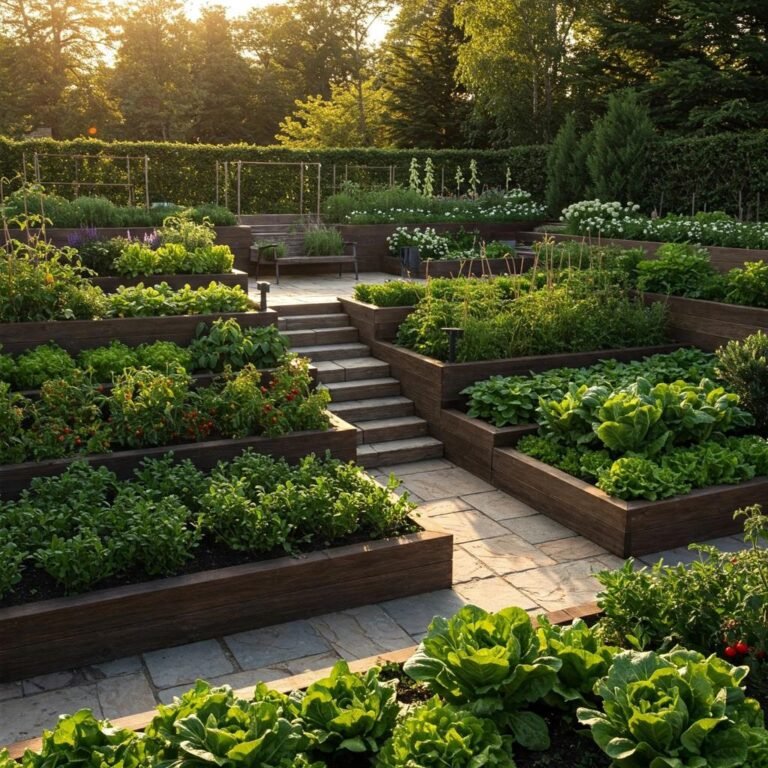
A sloped backyard doesn’t have to stop you from growing fresh vegetables. With the right planning, you can turn uneven ground into a productive garden using raised beds. However, building on a slope requires more preparation than installing a garden…
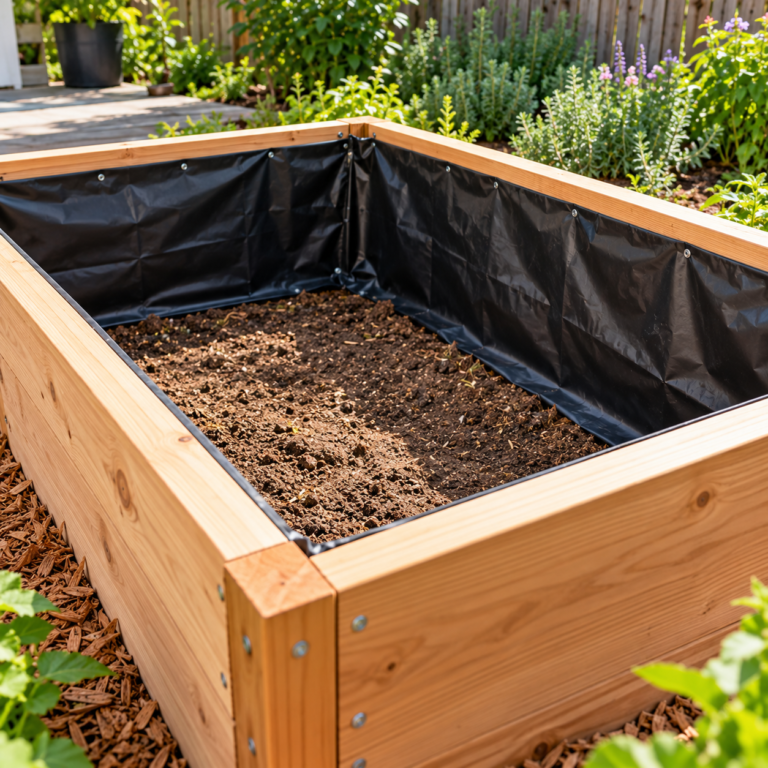
When building a raised garden bed, you might wonder whether to install a liner before adding soil. Some gardeners use plastic sheets to protect wooden frames, while others install landscape fabric to keep soil from escaping. But do raised garden…
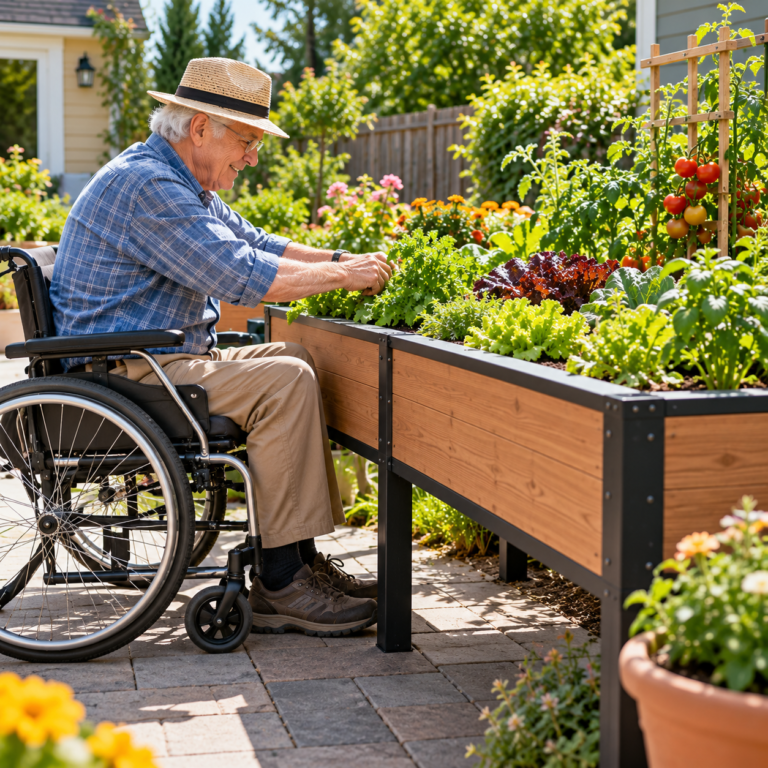
Gardening should be enjoyable, not an activity that leaves you struggling to bend, kneel, or reach your vegetables. For older adults who love growing flowers, herbs, and fresh produce, choosing the right raised garden bed height can make everyday gardening…
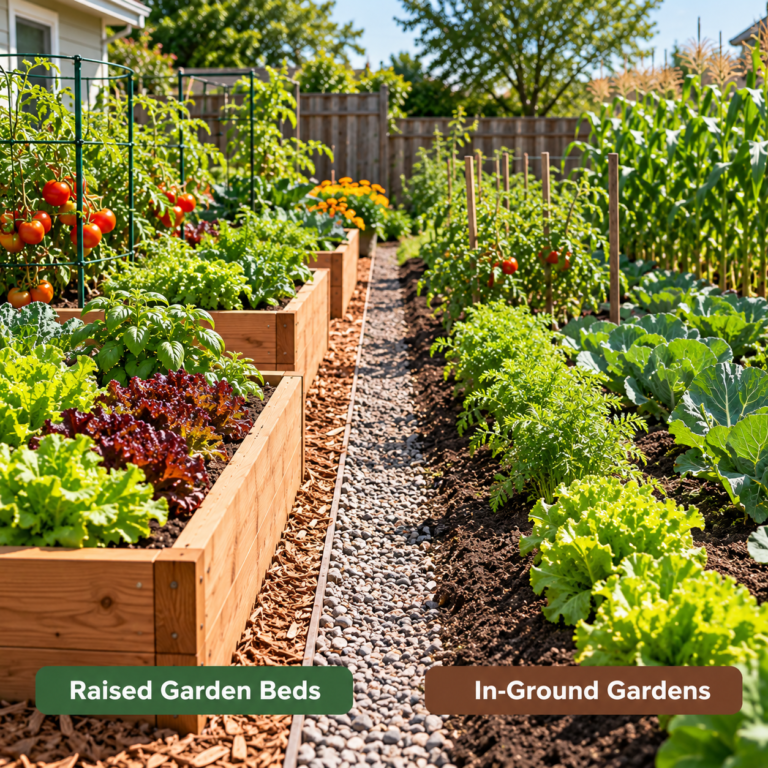
If you’re planning a backyard vegetable garden, one of the first decisions you’ll face is whether to grow vegetables in raised garden beds or directly in the ground. Both methods can produce healthy plants and generous harvests. However, they differ…
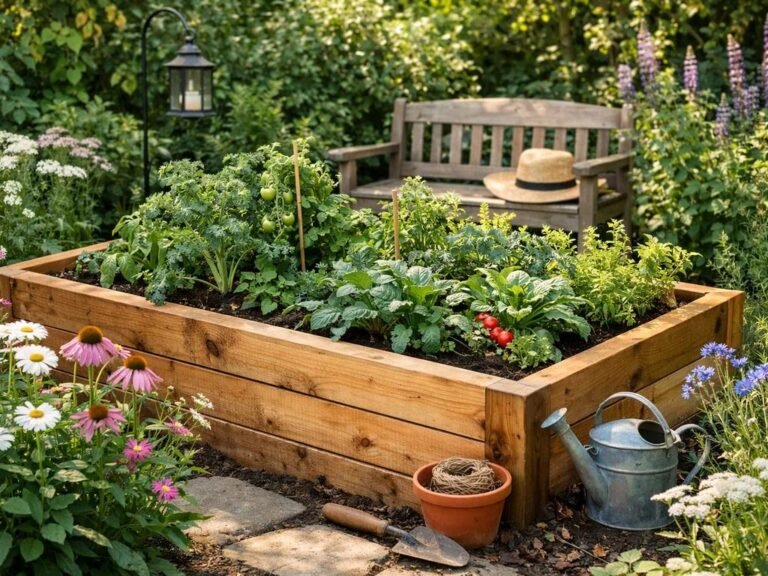
Wooden raised garden beds are popular among home gardeners because they look natural, are relatively easy to build, and fit beautifully into backyard landscapes. However, constant exposure to moisture, soil, sunlight, and changing weather conditions can gradually weaken wooden boards.…
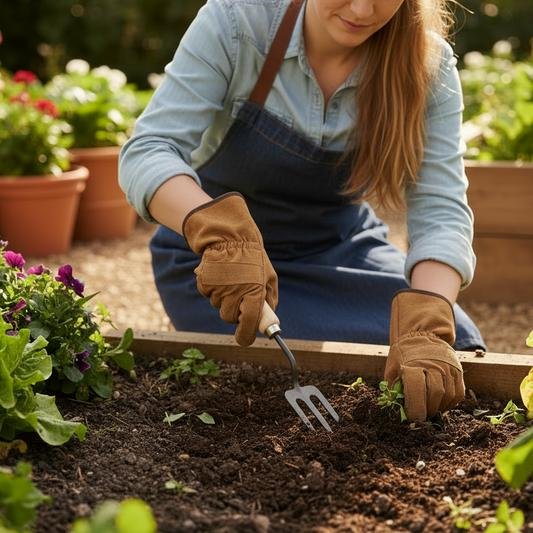
Raised garden beds are designed to provide better control over soil conditions, but drainage problems can still develop over time. Water may collect on the surface, soil may remain soggy for days, or plants may begin showing signs of stress.…
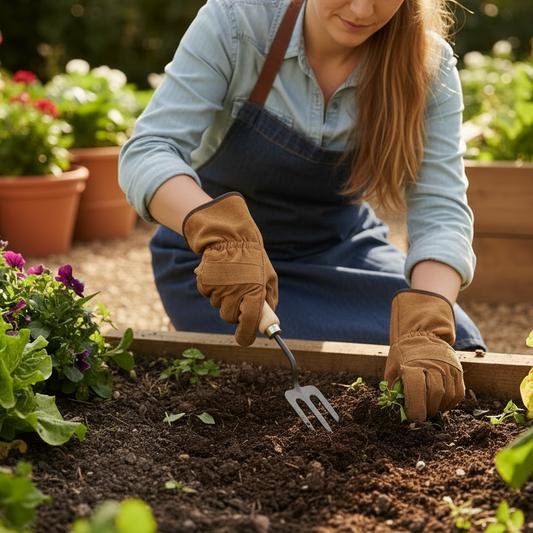
Soil compaction happens when soil particles are pressed closely together, reducing the air spaces that allow water, oxygen, and roots to move freely. Fortunately, preventing soil compaction in raised garden beds is relatively simple. With the right soil mixture, watering…
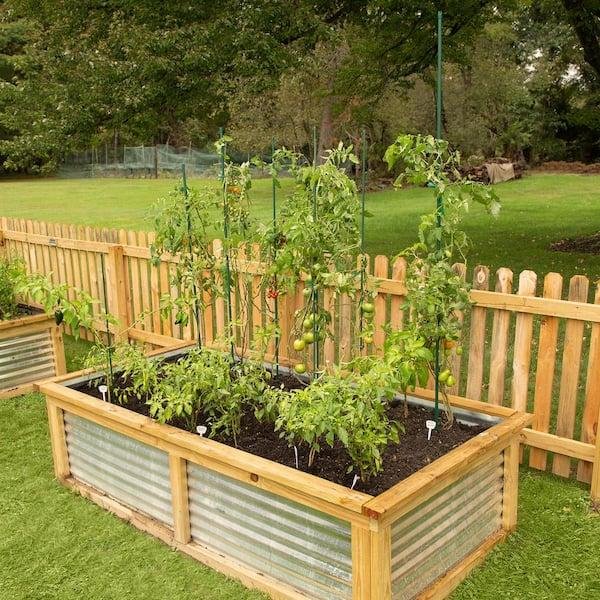
Strong wind can turn a healthy raised bed garden into a stressful environment for vegetables. Tall tomato plants may bend, climbing vines can break away from their supports, and young seedlings may become damaged before their roots are fully established.…
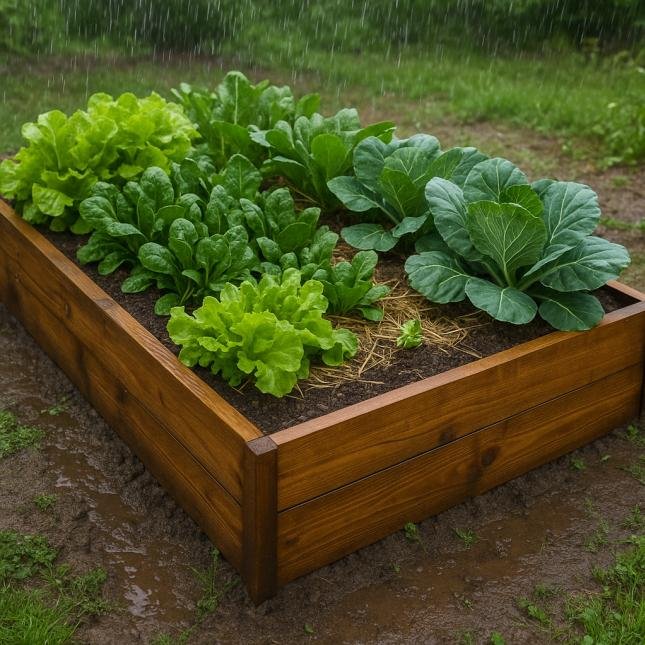
Heavy rain can be beneficial for a vegetable garden, but prolonged downpours can also create problems for raised garden beds. Excess water may wash away exposed soil, damage young seedlings, weaken plant supports, and leave roots sitting in saturated growing…
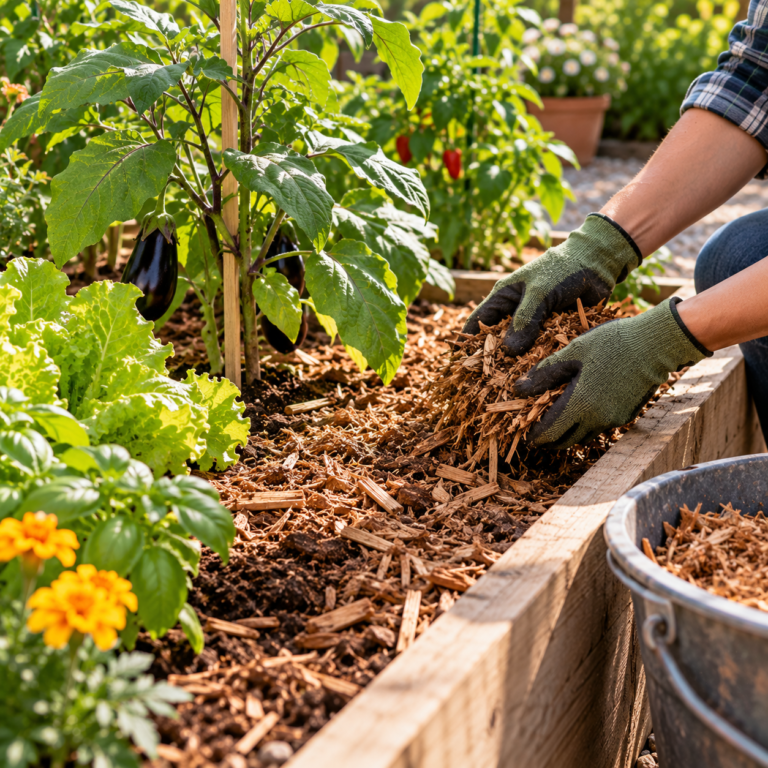
Mulching is one of the simplest ways to protect the soil in a raised garden bed. A well-applied layer of mulch helps retain moisture, reduce weed growth, moderate soil temperature, and protect the soil surface from heavy rain. However, using…