Newsletter Subscribe
Enter your email address below and subscribe to our newsletter


Raised Bed Gardening Made Simple

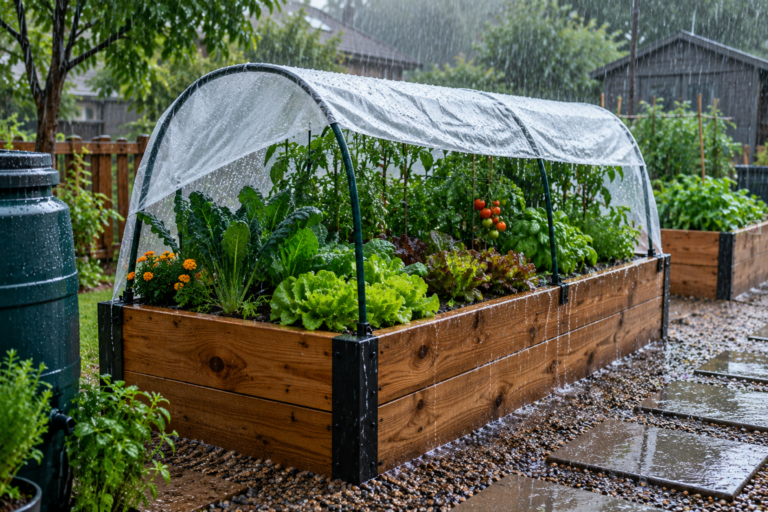
Raised garden beds generally handle wet weather better than poorly drained in-ground gardens, but several days of intense rain can still cause problems. Excess water can saturate the root zone, wash soil from the bed, flatten seedlings, expose roots, damage…
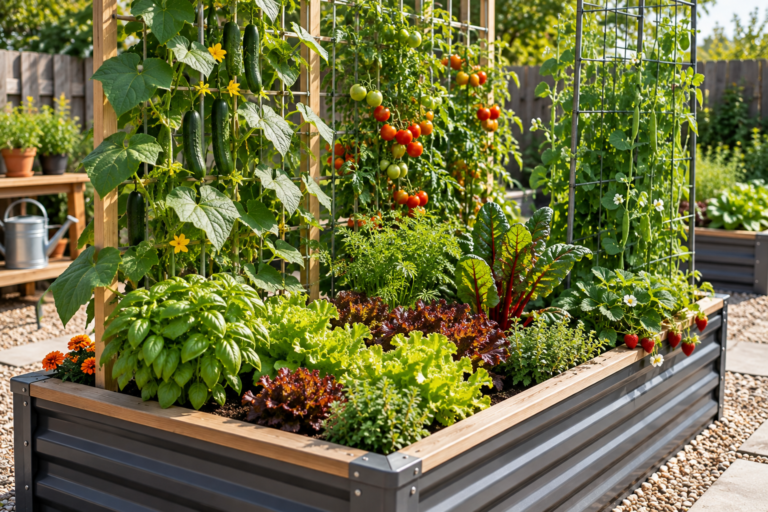
A raised garden bed may have a limited footprint, but that does not mean its harvest has to be small. With thoughtful crop selection and better use of vertical and temporary spaces, even a compact bed can produce vegetables and…
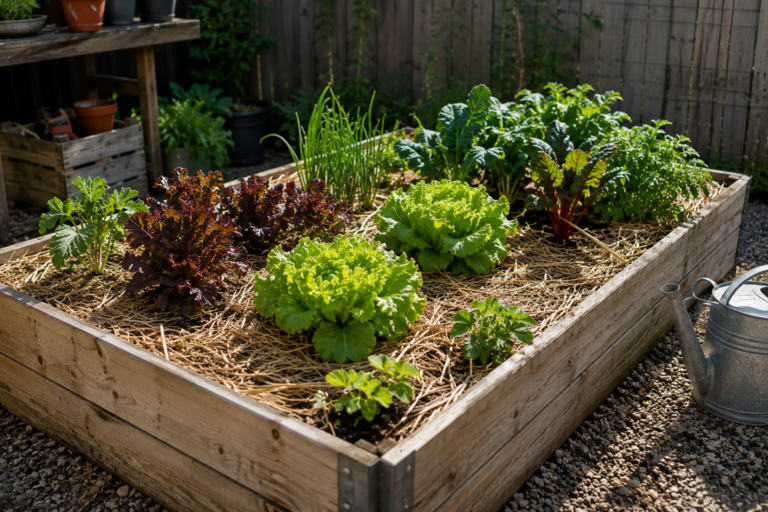
Mulching is one of the simplest ways to make a raised garden bed easier to maintain. A good layer of mulch protects exposed soil, slows moisture loss, reduces temperature fluctuations, and can gradually contribute organic matter as it breaks down.…
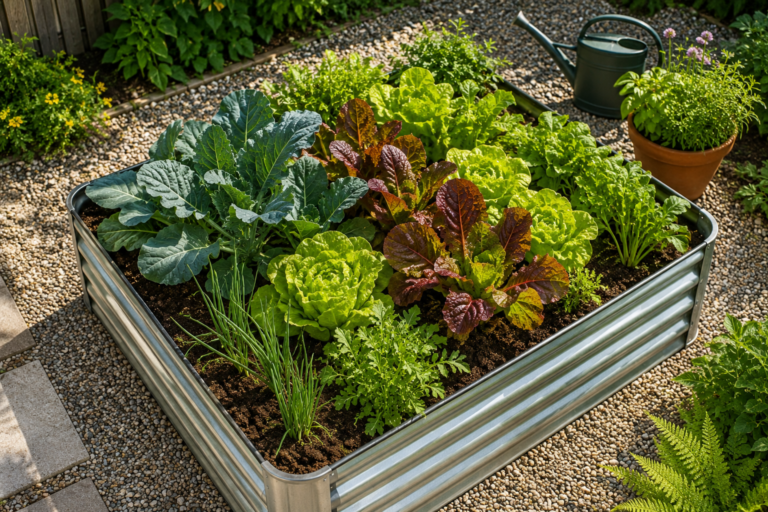
Raised garden beds are often easier to keep tidy than traditional in-ground gardens, but they are not completely weed-free. Weed seeds can arrive through soil, compost, wind, birds, or even gardening tools, and unwanted plants can quickly compete with vegetables…
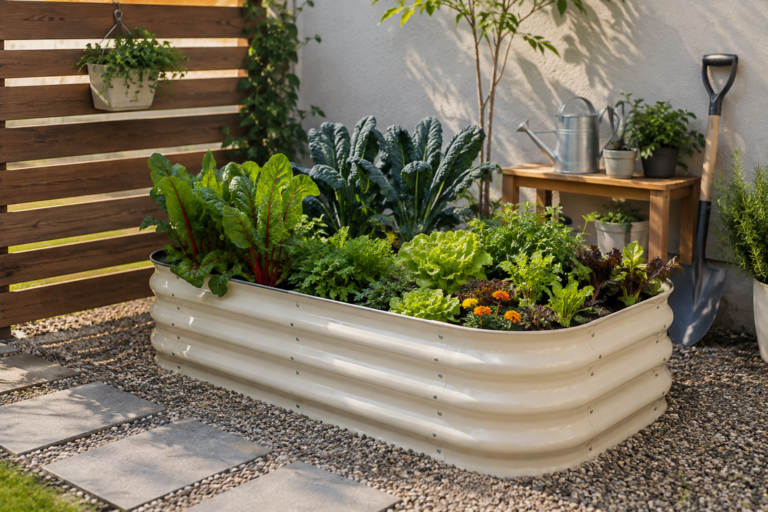
A small backyard does not mean you have to give up on growing vegetables, herbs, or flowers. In fact, raised garden beds can be particularly useful in limited spaces because they create clearly defined growing areas and make it easier…
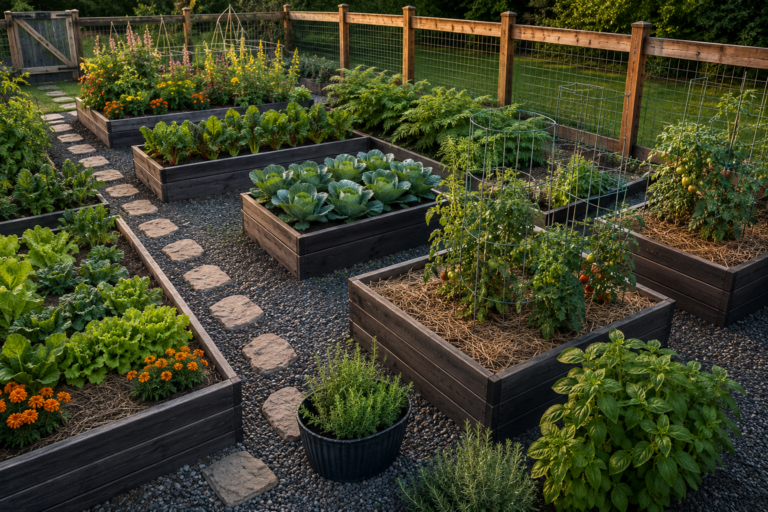
Designing a raised garden bed layout is about more than deciding where to place a box. A well-planned layout can make planting easier, improve sunlight exposure, simplify watering and harvesting, and help you get more vegetables from the same amount…
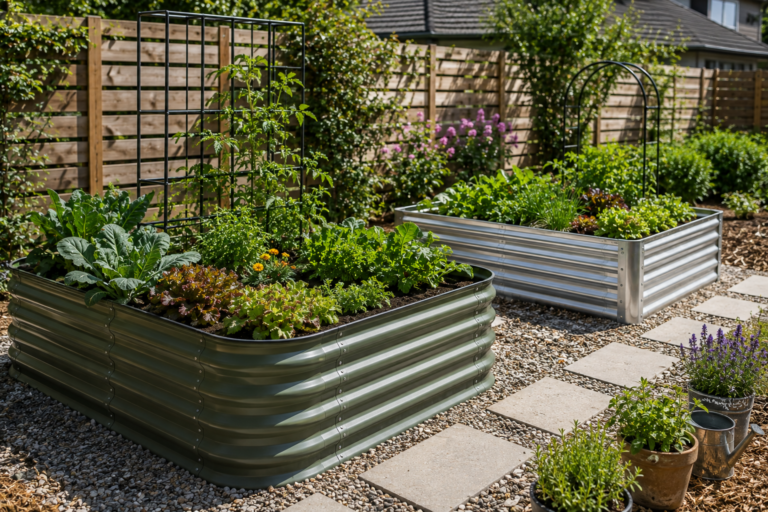
Raised garden beds are often chosen because they provide better control over soil conditions than traditional in-ground gardens. However, simply building a bed above ground does not guarantee perfect drainage. When excess water remains around plant roots for too long,…
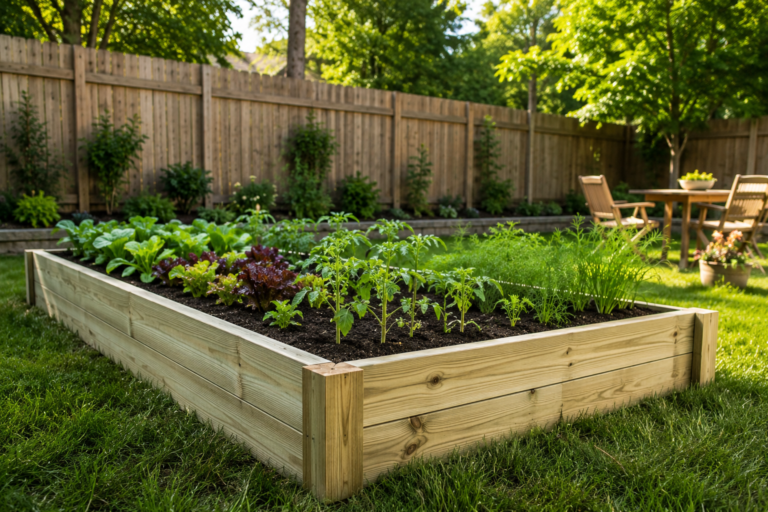
Building a raised garden bed directly on grass is a practical way to turn part of an existing lawn into a productive vegetable garden. Instead of removing large amounts of turf and digging deeply into the ground, you can create…
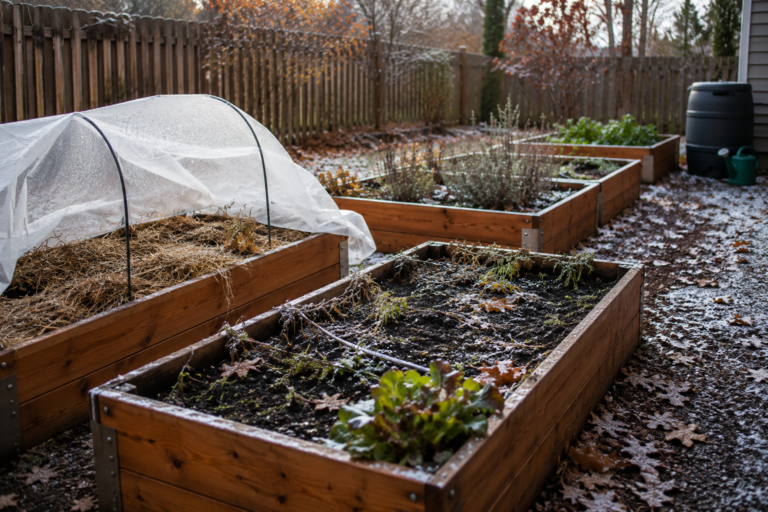
When the final vegetables have been harvested and cold nights begin arriving, it can be tempting to simply leave your raised garden beds alone until spring. But a little work before winter can make a noticeable difference when the next…
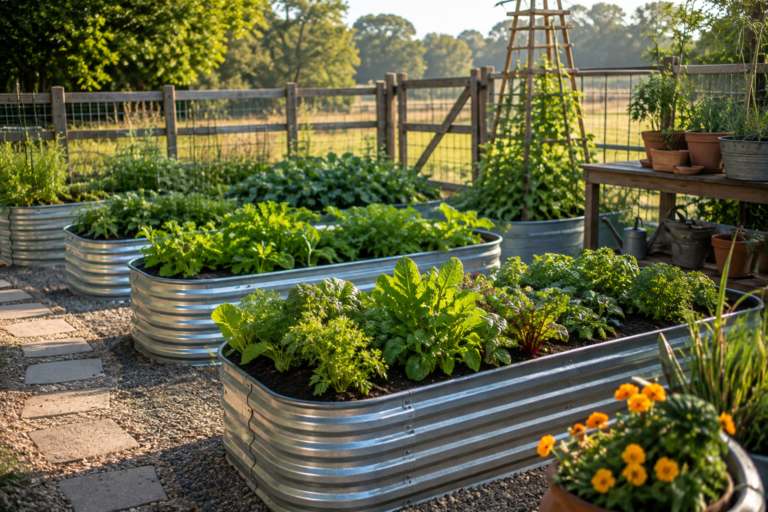
The first warm days of spring can make it tempting to grab a packet of seeds and start planting immediately. But a raised garden bed that has spent several months exposed to winter weather benefits from a little preparation before…