Newsletter Subscribe
Enter your email address below and subscribe to our newsletter


Raised Bed Gardening Made Simple
Category: Raised Bed Reviews
URL: /best-wooden-raised-garden-beds/
SEO Title: Best Wooden Raised Garden Beds for Your Backyard
Meta Description: Discover the best wooden raised garden beds for your backyard. Compare cedar, fir and pine options and learn how to choose the right size and depth for vegetables and herbs.
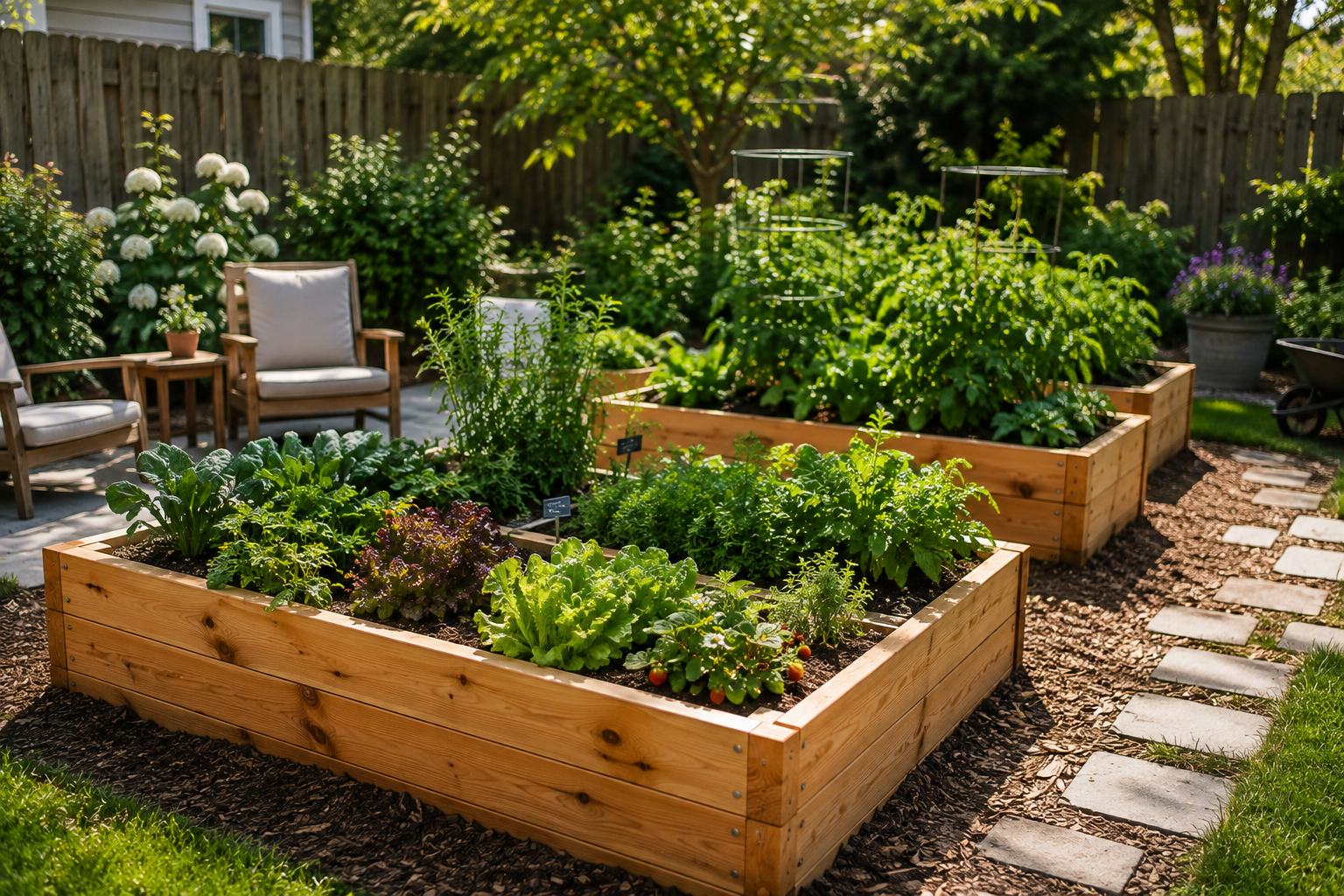
Wooden raised garden beds are a simple and attractive way to create a productive vegetable garden. They bring a natural look to your backyard while giving you greater control over soil quality, drainage and planting space.
From compact herb gardens to large vegetable beds, wooden raised beds are available in many sizes and designs. The key is choosing the right wood, dimensions and depth for what you want to grow.
Cedar is one of our favorite choices for wooden raised beds. It has an attractive natural appearance and is valued for its natural resistance to decay, making it well suited to outdoor garden projects.
Fir is another popular option. It is generally more affordable than cedar and can be a good choice for beginners or gardeners working with a smaller budget.
Pine is usually one of the least expensive options. While it may not offer the same natural durability as cedar, a well-built pine raised bed can still work well for backyard gardening.
When comparing products, look beyond the type of wood. Board thickness, corner construction and hardware quality also matter.
For most backyard gardens, we recommend a bed around 6 to 8 feet long and 3 to 4 feet wide.
A 4-foot maximum width is particularly practical because you can reach the center from either side without stepping onto the soil.
For smaller spaces, a 4 × 2 ft wooden raised bed can be enough for lettuce, herbs, strawberries and peppers.
Gardeners who want more growing space may prefer the classic 8 × 4 ft raised bed, which provides 32 square feet of planting area.
Depth should depend on the plants you intend to grow.
Deeper beds provide more root space but also require considerably more soil, so calculate the amount of filling material before choosing an extra-tall bed.
Wooden raised beds can support almost any common backyard vegetable when they have sufficient soil depth and sunlight.
Some excellent choices include:
Tomatoes – Provide plenty of sunlight and use a cage or trellis for support.
Peppers – Their relatively compact size makes them excellent for mixed vegetable beds.
Lettuce – Easy to grow and ideal for beginners.
Carrots – Loose raised-bed soil gives roots room to develop.
Cucumbers – Add a trellis to grow vines vertically and save space.
Herbs – Basil, parsley, cilantro and thyme work well around the edges of vegetable beds.
Wood is a great choice if you prefer a warm, traditional appearance. It is also easy to customize and makes attaching trellises or other garden accessories relatively simple.
Metal raised beds, however, generally require less maintenance and don’t have the same concerns about wood decay.
For gardeners who prioritize natural backyard aesthetics, wood is hard to beat. For those focused primarily on low maintenance, metal may be the better option.
Before choosing a wooden raised bed, check:
Avoid choosing a product based only on price. A stronger frame with thicker boards may offer better long-term value.
The best wooden raised garden bed depends on your backyard, budget and the vegetables you want to grow.
For most gardeners, our preferred setup is a cedar raised garden bed around 6–8 feet long, 3–4 feet wide and 12–18 inches deep.
Cedar offers an excellent combination of natural beauty and outdoor durability, while fir and pine provide more affordable alternatives.
Whatever material you choose, remember that the raised bed itself is only the beginning. Healthy soil, adequate sunlight, proper watering and good plant spacing will ultimately determine the success of your garden.
A well-planned wooden raised bed can become both a productive growing space and an attractive feature in your backyard.